

Installation and emergency support
For BS3621 locks, call the team with the postcode, photos, urgency and any product details ready.
Emergency locksmith advice
BS3621 Locks Explained
BS3621 is a recognised British lock standard for thief-resistant lock assemblies. It is most relevant to timber external doors with mortice locks or British Standard nightlatches, but it is not the right label for every uPVC, composite, multipoint, euro cylinder or escape-door situation.
Key point
BS3621 is about the complete lock assembly
The standard covers a tested lock setup, not just a similar-looking keyhole. The lock, keep or strike plate, door edge, frame and fitting quality all affect the finished security level.
Key point
Timber doors are the main consumer context
Most household BS3621 questions involve timber front or back doors with a mortice deadlock, mortice sashlock or British Standard nightlatch. A basic three-lever lock or ordinary pull-shut latch should not be assumed to comply.
Key point
Multipoint doors need a different check
UPVC, composite and many aluminium doors usually rely on a euro cylinder operating a multipoint strip. In that context, cylinder security, projection, handles, gearbox condition and alignment matter more than forcing a BS3621 answer.
Key point
Escape needs can change the standard
BS3621 normally means key operation from both sides. BS8621 provides keyless escape from inside, and BS10621 is a dual-mode arrangement for specialist situations where egress control must be managed carefully.
British Standard
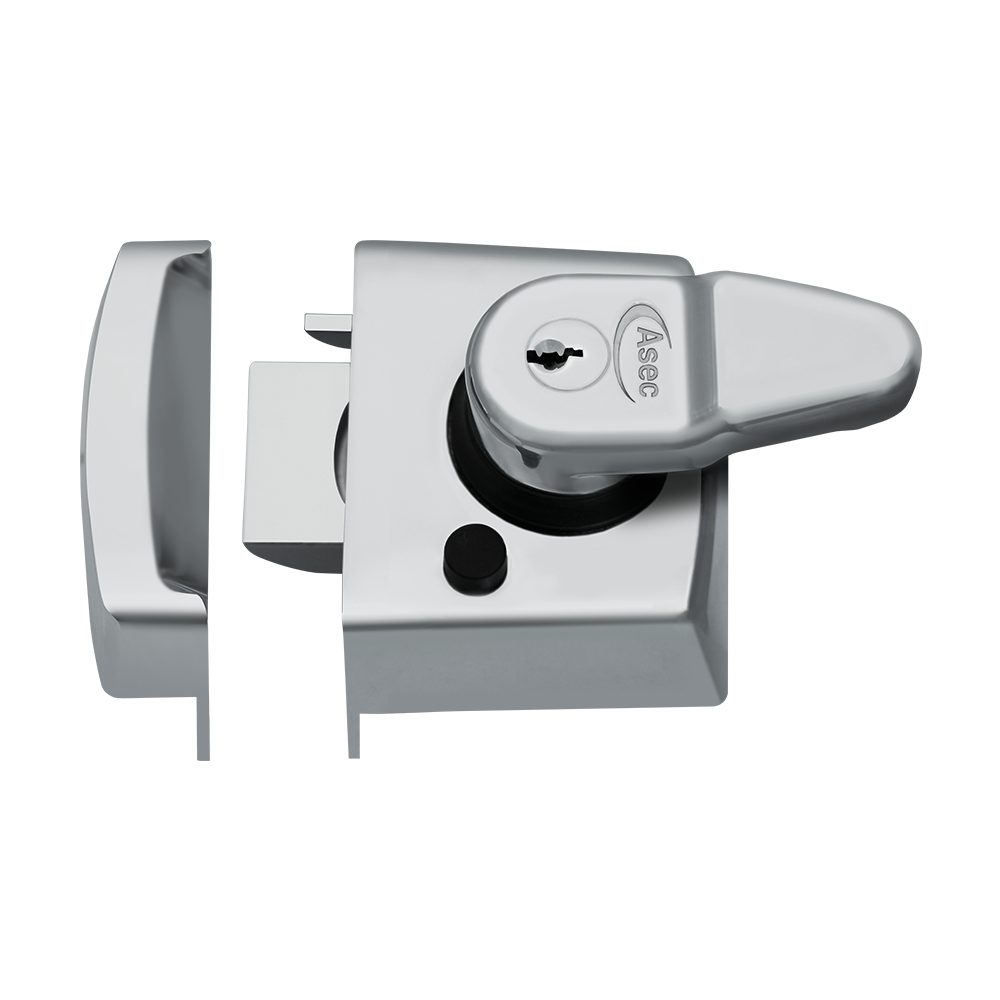
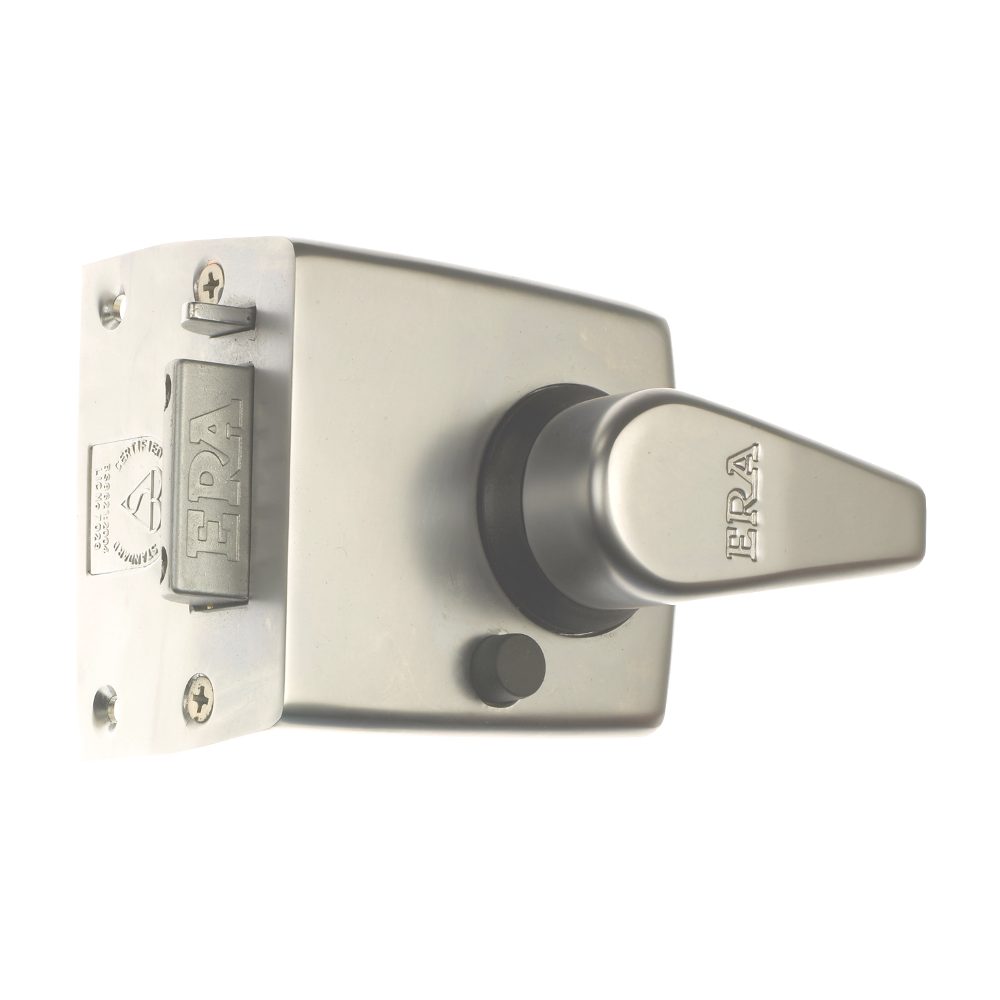
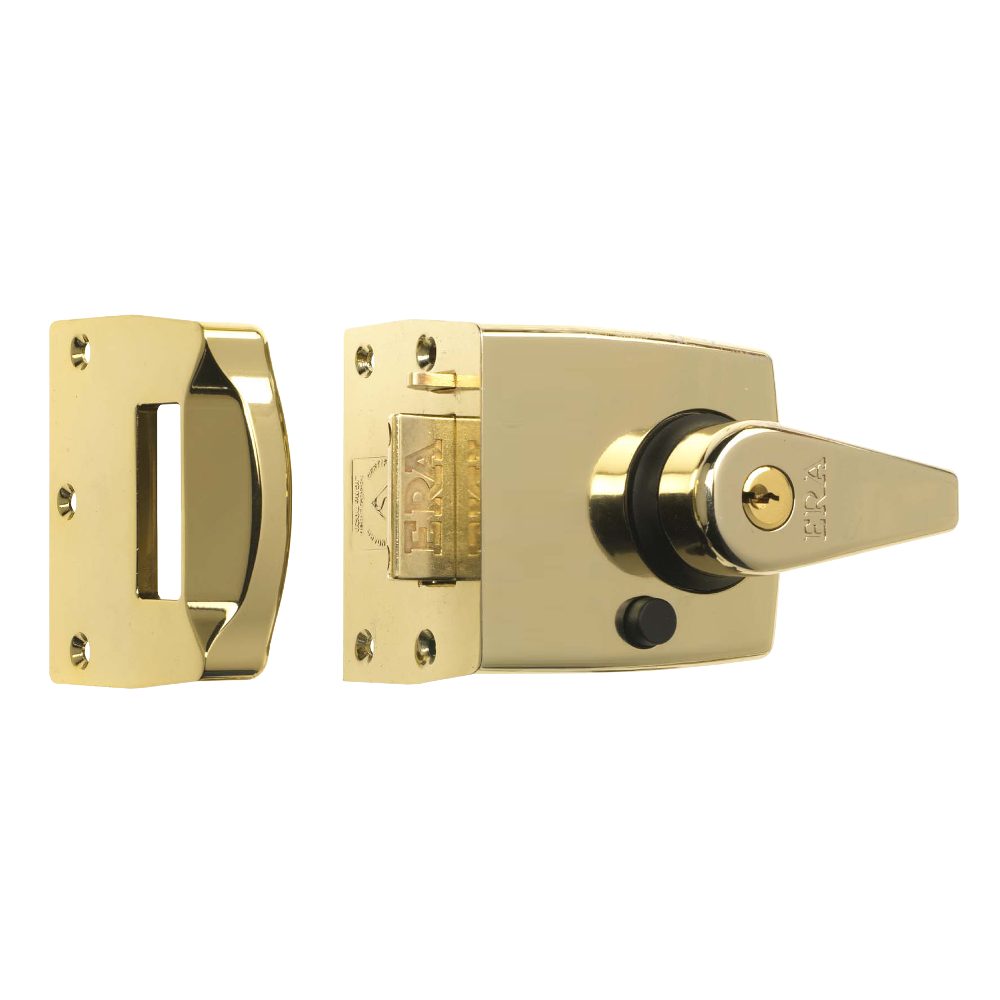
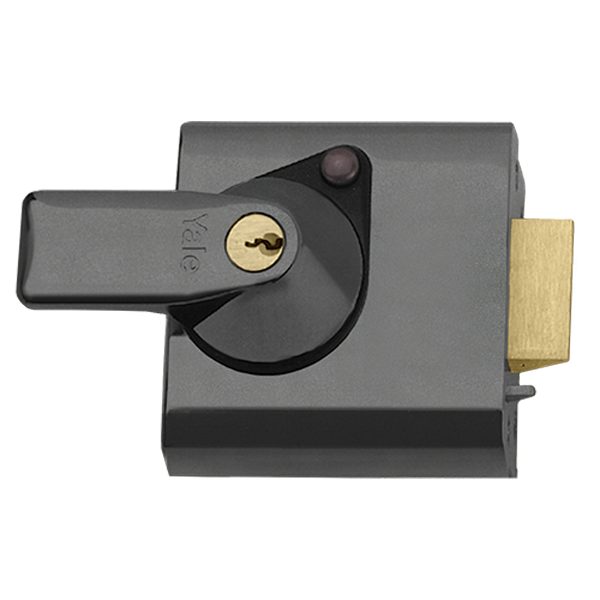
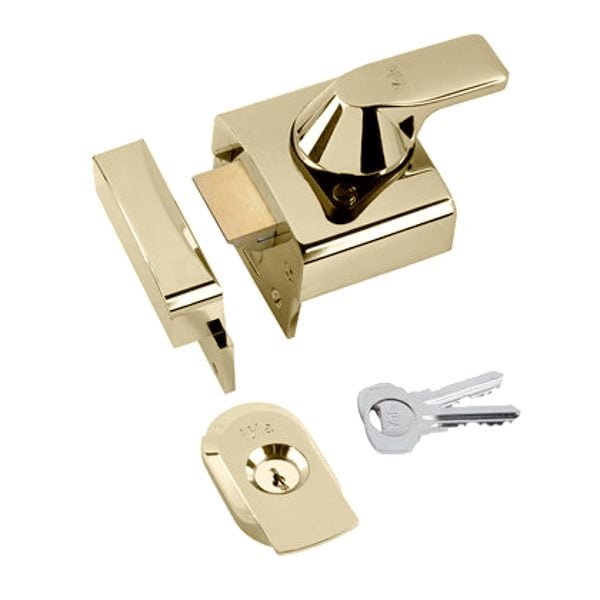
British Standard nightlatches can be relevant on timber doors where a surface-mounted latch is part of the security arrangement. Confirm the door construction, escape needs, backset, rim cylinder setup and insurance wording before choosing one.
Insurance standards decoder
Is the policy asking for BS3621, or just a properly protected final exit door?
Start with the door type. BS3621 is usually a timber-door lock question. Euro-cylinder doors normally need a cylinder, handle and multipoint check instead.
Relevant when
Timber final exit door
Mortice deadlock, sashlock or British Standard nightlatch.
Check instead
uPVC or composite
Cylinder rating, projection, handles and multipoint alignment.
Do not miss
Escape from inside
BS8621 may fit better where keyless exit is needed.
3621
marked lock
A useful evidence photo shows the actual marking, not just the keyhole.
- Faceplate or forend on a mortice lock.
- Case or body on a British Standard nightlatch.
- Keep, frame and screws secure enough to support the lock.
Door-edge decoder
Where to look before replacing anything
Open the door. The standard, if present, should be tied to the working lock assembly and its fitted condition.
Planning focus
Use the cards in this section to compare the practical decision points.
Decision path
Three questions settle most BS3621 confusion
What door is it?
Timber doors can suit mortice locks and nightlatches. Multipoint doors usually need a cylinder-standard choice.
What does the policy say?
Final exit door, all external doors, five-lever, approved cylinder and multipoint wording mean different things.
Can people get out?
Keyed inside locking can be unsuitable for single-exit, flat entrance, HMO or managed communal settings.
Read the marking, then read the installation.
A marked lock in a split door edge or weak keep is not a clean result. The lock and frame have to work together.
Do not upgrade by label alone.
A five-lever lock, rim cylinder or online product title is not enough. The fitted hardware must match the door and wording.
Keep evidence before old parts disappear.
Photograph the mark, door edge, keep and nightlatch body. Save product details and invoice notes for insurer or landlord records.
Standard match
Use the right standard choice
These labels solve different problems. Treat them as routing signs, not a ranking table.
BS3621
Best-known timber-door insurance reference.
Pros: clear thief-resistant lock standard. Limit: key operation from inside may conflict with escape needs.
BS8621
Outside key, inside keyless exit.
Pros: better for easy escape. Limit: policy wording may need insurer confirmation.
BS10621
Specialist dual-mode use.
Pros: controlled secure and escape modes. Limit: poor management can create trapped-in risk.
TS007 / 3-star
Euro-cylinder protection level.
Pros: suits many multipoint doors. Limit: not a substitute for a marked BS3621 mortice lock.
What BS3621 means in everyday terms
BS3621 is a British Standard for thief-resistant lock assemblies. For a household door, that usually means a lock tested for resistance to common attack methods and operated by key from both sides. The standard is commonly found on mortice deadlocks, mortice sashlocks and high-security nightlatches fitted to timber doors.
- The mark needs to be on the lock assembly, not just on the handle, escutcheon, cylinder packaging or old paperwork.
- A five-lever mortice lock is not automatically BS3621 unless the correct marking is present.
- The keep or strike plate is part of the security result, so a loose or wrong keep weakens the finished installation.
- A certified lock can still underperform if the door edge is split, the frame is soft, or the lock pocket has been badly enlarged.
Why insurers mention BS3621
Home insurance policies often use lock descriptions to set the minimum security expected on external doors. Some policies name BS3621 directly. Others describe a five-lever mortice deadlock, a key-operated lock, a final exit door, a patio door, a multipoint lock or an approved cylinder. The exact wording matters because different doors need different hardware.
- Check whether the policy applies to the final exit door only, all external doors, accessible windows, outbuildings, or specific entrance types.
- Do not assume a policy that says BS3621 can be satisfied by replacing only a euro cylinder or only a rim cylinder.
- Do not assume a policy that says multipoint locking requires a mortice deadlock on a uPVC or composite door.
- Keep photos of the marking and the invoice or product details if the work is being done for a claim, renewal or landlord record.
What markings to check
Open the door and inspect the metal edge of the lock. On a mortice lock, the most common place to find the marking is the faceplate or forend on the door edge. On a nightlatch, the marking may be on the case, body, cover or associated cylinder arrangement. If the mark is missing, painted over, illegible or only present on unrelated furniture, treat compliance as unconfirmed.
- Look for the BSI Kitemark or equivalent certification mark alongside BS3621 or BS 3621 wording.
- Check for a standard year where present, such as BS 3621:2017, but do not rely on the year alone without the certification mark.
- Confirm the lock brand and model if the marking is unclear, especially on older painted mortice locks.
- Check the keep or staple in the frame; a strong lock thrown into a weak or wrong keep is not a complete upgrade.
- Test with the door open and closed. Stiffness when closed often points to alignment or frame pressure rather than the lock standard.
Timber doors, mortice locks and nightlatches
Timber external doors are where BS3621 is most often discussed. A mortice lock sits inside a pocket cut into the door edge. A nightlatch is surface mounted on the inside face of the door and usually works with a rim cylinder outside. Many timber front doors use both for convenience and security.
- Mortice deadlocks provide key-operated deadbolt locking and are commonly used as a main security lock on timber doors.
- Mortice sashlocks combine a latch and deadbolt in one case and normally work with lever handles.
- British Standard nightlatches can add high-security latch control, but basic pull-shut nightlatches are not the same thing.
- Backset, case depth, faceplate size, door thickness, stile width and keep position all affect whether a replacement fits cleanly.
- A narrow, split or heavily altered timber stile may need door or frame repair before a standards upgrade is sensible.
Limits for uPVC, composite and multipoint doors
UPVC, composite and many aluminium doors commonly use a euro cylinder to operate a multipoint locking strip. These doors are usually assessed as a system: cylinder, handles or escutcheons, gearbox, hooks, rollers, keeps, hinges and alignment. A BS3621 mortice lock is often irrelevant unless the door actually uses that lock family.
- If the euro cylinder projects beyond the handle or escutcheon, the cylinder may be easier to grip or attack.
- For cylinder attack risk, look at TS007 3-star, Sold Secure Diamond SS312, or a compatible cylinder-and-handle protection setup.
- A TS007 1-star cylinder may need 2-star protective furniture to reach the intended combined protection level.
- A stiff handle, dropped door or failing gearbox will not be solved by a BS3621 mortice lock or by a cylinder change alone.
- Composite doors can move with temperature and hinge pressure, so alignment checks are part of a reliable security upgrade.
BS8621 and BS10621 where escape matters
BS8621 and BS10621 are related standards for cases where theft resistance overlaps with escape from inside. They are not better or worse versions of BS3621; they handle different operating modes.
- BS3621: key operation from outside and inside, commonly used where keyed control both sides is acceptable.
- BS8621: key operation from outside with keyless escape from inside, often relevant where people must leave without finding a key.
- BS10621: dual-mode operation, able to switch between escape-friendly operation and a secure mode with no egress, so it needs careful management.
- Single-exit dwellings, flats, HMOs and communal routes need escape-risk thinking before specifying keyed locking from inside.
- Fire safety, tenancy rules, lease requirements and building management policy can override a simple insurance-led lock choice.
Replacement decisions after a check
The right replacement depends on the reason for the check. A policy review, lost-key incident, burglary damage, worn lock, stuck key and door alignment fault can each point to a different scope of work. Like-for-like replacement is not enough if the old lock was the wrong type or was fitted badly.
- For a timber door with an unmarked three-lever lock, a marked BS3621 mortice lock may be the cleanest insurance-led upgrade if the door supports it.
- For a timber door with only a basic nightlatch, consider a British Standard nightlatch, a mortice lock, or both depending on the door and policy wording.
- For a door with unclear markings, identify the exact lock before promising insurance compliance.
- For a stiff or unreliable lock, correct alignment and keep problems during replacement rather than fitting a new lock into the same fault.
- For lost or stolen keys, decide whether the priority is rekeying, cylinder replacement, full lock replacement, or wider key-control reset.
- For uPVC and composite doors, prioritise cylinder length, anti-snap protection, handle security, gearbox health and smooth multipoint operation.
Standard choice tradeoffs
The right standard is the one that matches the door, policy wording and exit need, not simply the one with the most familiar label.
- BS3621 pros: clear thief-resistant reference for many timber external doors and insurer checks. Cons: key operation from inside can be wrong for escape-sensitive settings.
- BS8621 pros: keeps outside key security while allowing keyless exit from inside. Cons: may not satisfy policies that specifically ask for key operation both sides unless agreed.
- BS10621 pros: supports specialist dual-mode management. Cons: creates avoidable risk if occupants do not understand when egress is disabled.
- Euro-cylinder upgrade pros: correct route for many uPVC, composite and aluminium doors. Cons: not a substitute for a marked BS3621 mortice lock where the policy and timber door require one.
FAQs
BS3621 Locks Explained FAQs
Short answers for separating product research, fitting, survey and urgent callout work.
Does BS3621 apply to every external door?
No. BS3621 is most often relevant to timber external doors with mortice locks or British Standard nightlatches. uPVC, composite and aluminium multipoint doors are usually assessed by cylinder security, handle protection, multipoint operation and alignment instead.
Is a five-lever mortice lock automatically BS3621?
No. Five-lever describes the lock mechanism, while BS3621 is a tested standard. Look for a BSI Kitemark or equivalent certification mark and BS3621 marking on the lock faceplate, forend, case or approved nightlatch body.
Where should I look for the BS3621 mark?
Open the door and inspect the metal faceplate on the lock edge. On nightlatches, check the case, cover or body. If the marking is painted over, missing or only appears on unrelated hardware, treat the lock standard as unconfirmed.
Will changing only the cylinder make a lock BS3621?
Usually no. BS3621 applies to the lock assembly. Replacing only a euro cylinder, rim cylinder or key barrel does not normally turn an unmarked or unsuitable lock into a BS3621-compliant installation.
What is the difference between BS3621 and BS8621?
BS3621 normally requires key operation from both sides. BS8621 keeps key operation from outside but allows keyless escape from inside, such as with a thumbturn or internal release, where that suits the door and safety requirements.
What is BS10621 used for?
BS10621 is a dual-mode lock standard that can switch between an escape-friendly mode and a secure mode where egress is not possible. Because that can create entrapment risk, it needs careful management and is not a casual choice for single-exit homes.
What should I do if my insurer asks for BS3621 but I have a composite door?
Check the exact wording with the insurer before ordering parts. Many composite doors use multipoint locks and euro cylinders, so the practical evidence may need to cover multipoint locking, cylinder security rating, handle protection and correct fitting rather than a mortice-lock marking.
Should a nightlatch count as an insurance-approved lock?
Only if it is the correct British Standard nightlatch for the door and policy wording. A basic pull-shut nightlatch is convenient but should not be treated as the same as a marked high-security nightlatch or BS3621 mortice lock.
When should I replace the whole lock instead of repairing it?
Whole-lock replacement is sensible when the existing lock is unmarked, worn, damaged, obsolete, badly fitted, unreliable, or the policy requires a standard the current lock does not meet. Alignment and frame faults should be corrected at the same time.
What proof should I keep after a BS3621 upgrade?
Keep clear photos of the fitted lock marking, the door edge or nightlatch body, the keep or strike plate, and the invoice or product details showing the standard. This is useful for insurance, landlord records and future replacement decisions.
Installation and emergency support
Need BS3621 locks handled by our team?
Call for locksmith callouts, vehicle keys, safes, grilles, shutters, CCTV, alarms, access control, fire doors, and installation work. Share the postcode, photos, urgency and any product details so the job can be routed cleanly.
Call our team
01296 925335