

Installation and emergency support
For types of safes, call the team with the postcode, photos, urgency and any product details ready.
Safes and strong rooms
Types of Safes | Lock & Key
What will fail first if the storage is wrong: stolen cash, stolen keys, damaged documents, unreadable media, weak fixing, or uncontrolled staff access? Choose the safe type around that failure mode before choosing size, colour, lock style, or hiding place.
Key point
Contents decide the safe family
Cash, jewellery, passports, deeds, medicines, keys, drives and paper records do not fail in the same way. Burglary resistance, fire protection, humidity control, capacity and access control must be chosen around the actual contents.
Key point
Separate fire from burglary
A fire safe is not automatically a high-security cash safe. A burglary-rated safe is not automatically suitable for paper records, backup drives, tapes or removable media during a long fire and cooling period.
Key point
Format changes the installation risk
Freestanding, wall, floor and underfloor safes all rely on surrounding structure, lifting route, fixing quality, concealment and future service access. The same rated safe can perform poorly in the wrong location.
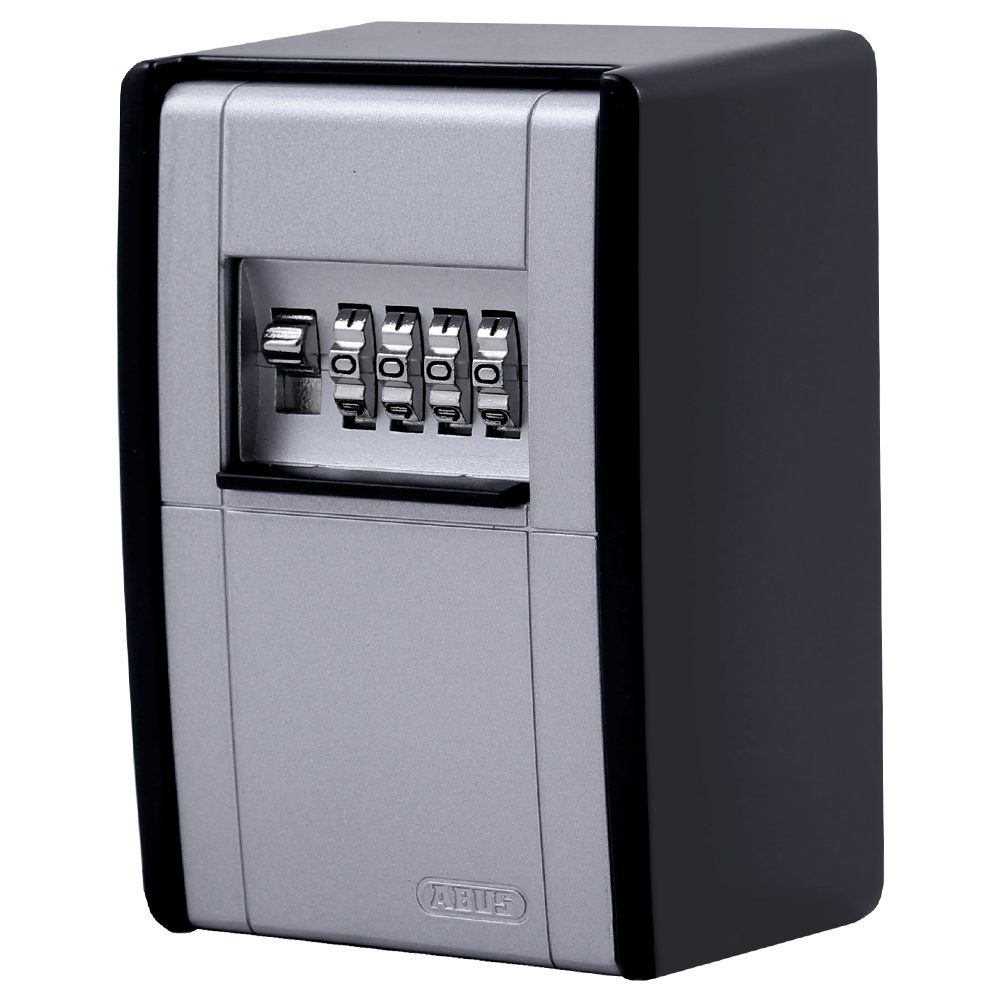
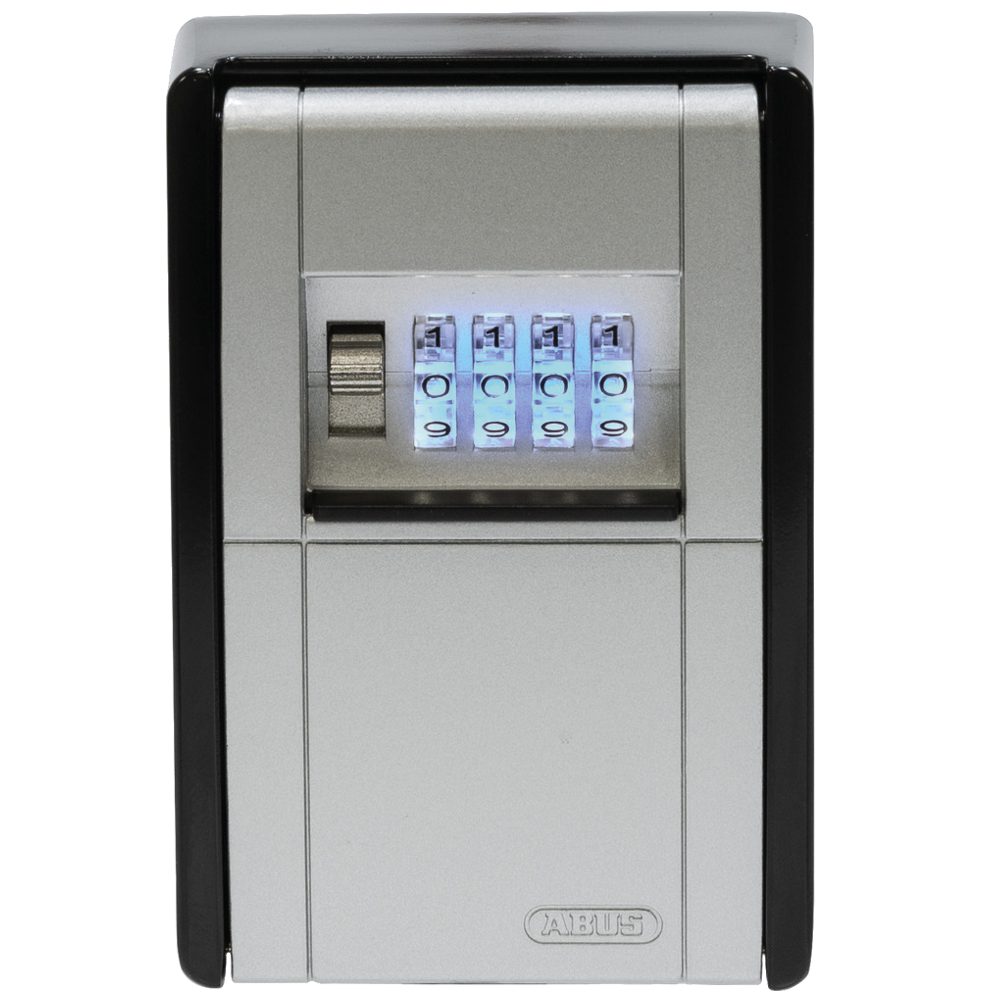
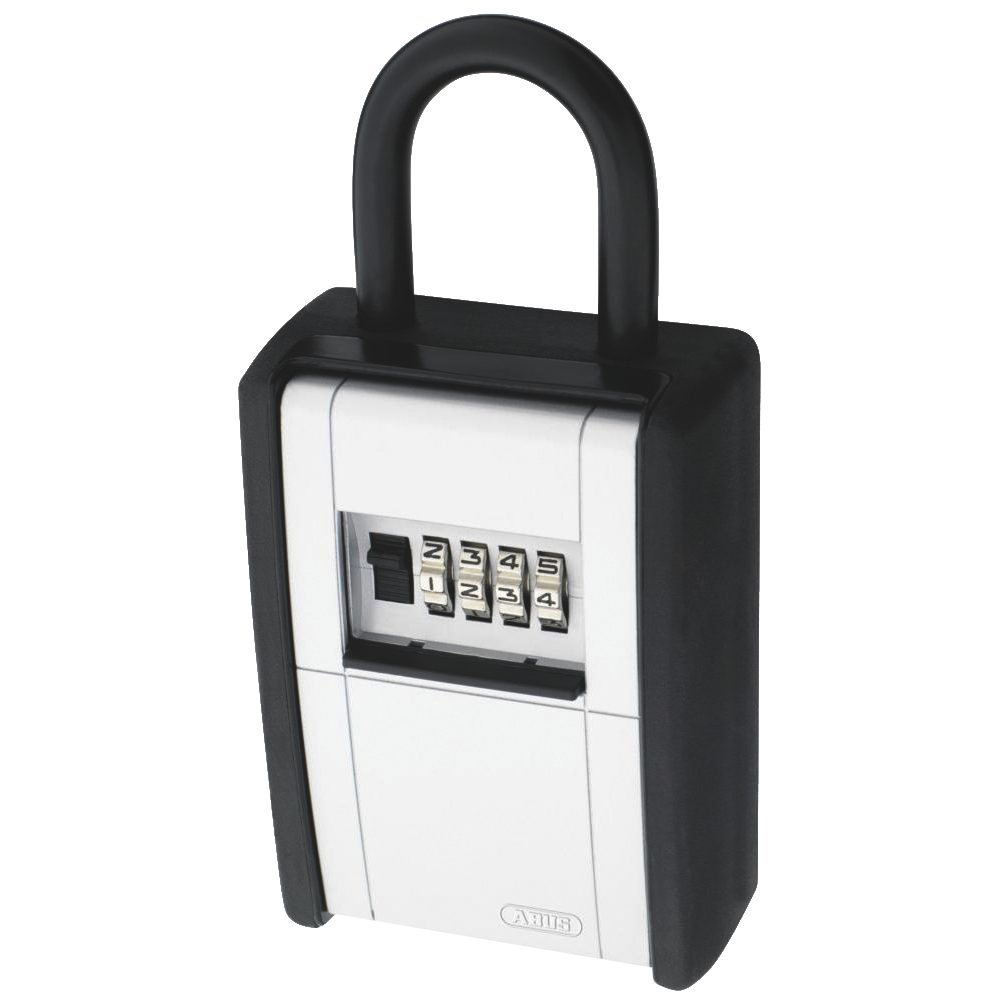
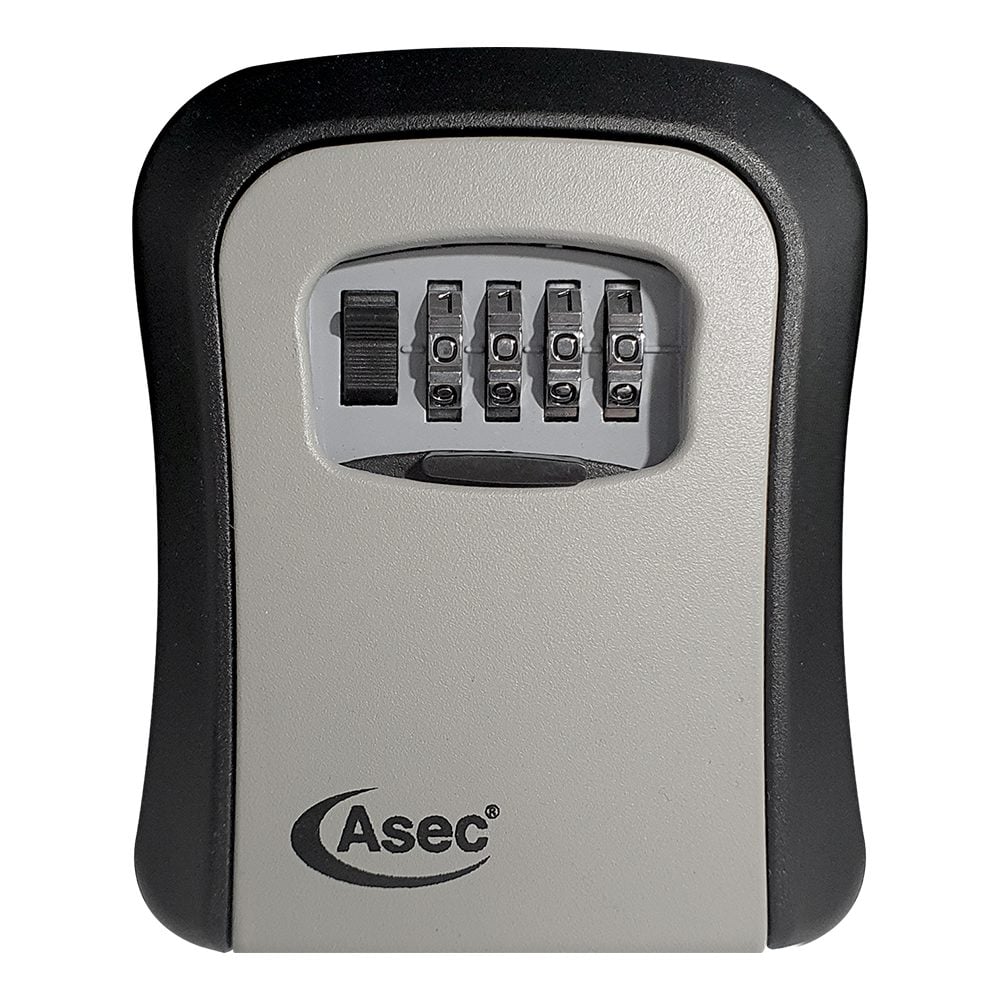
Key Safe
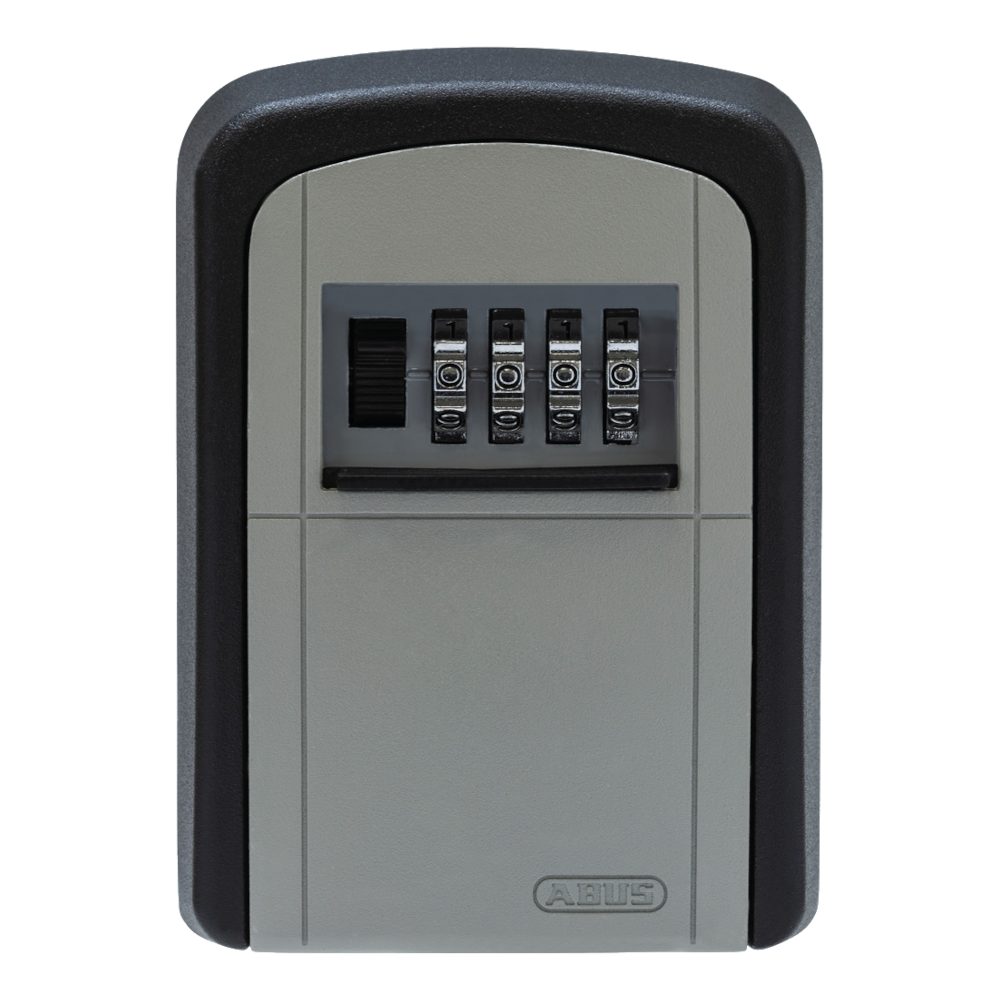
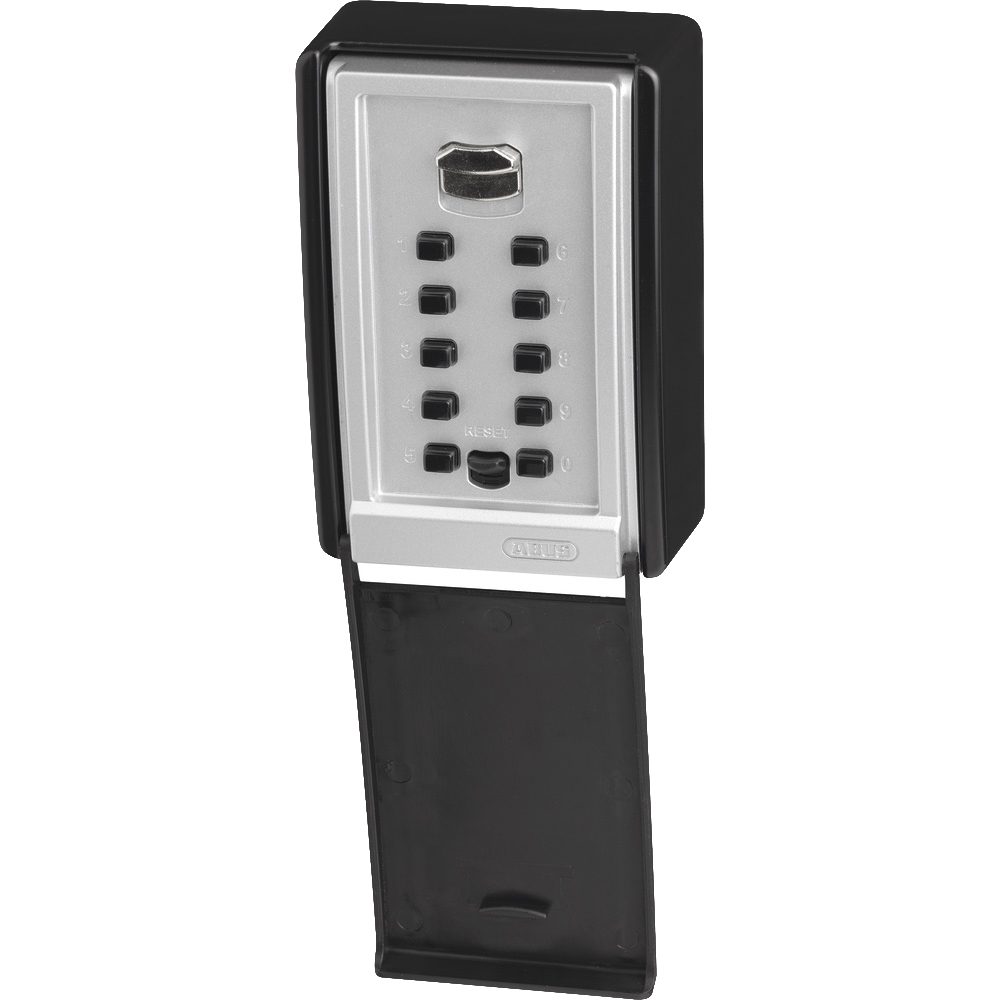
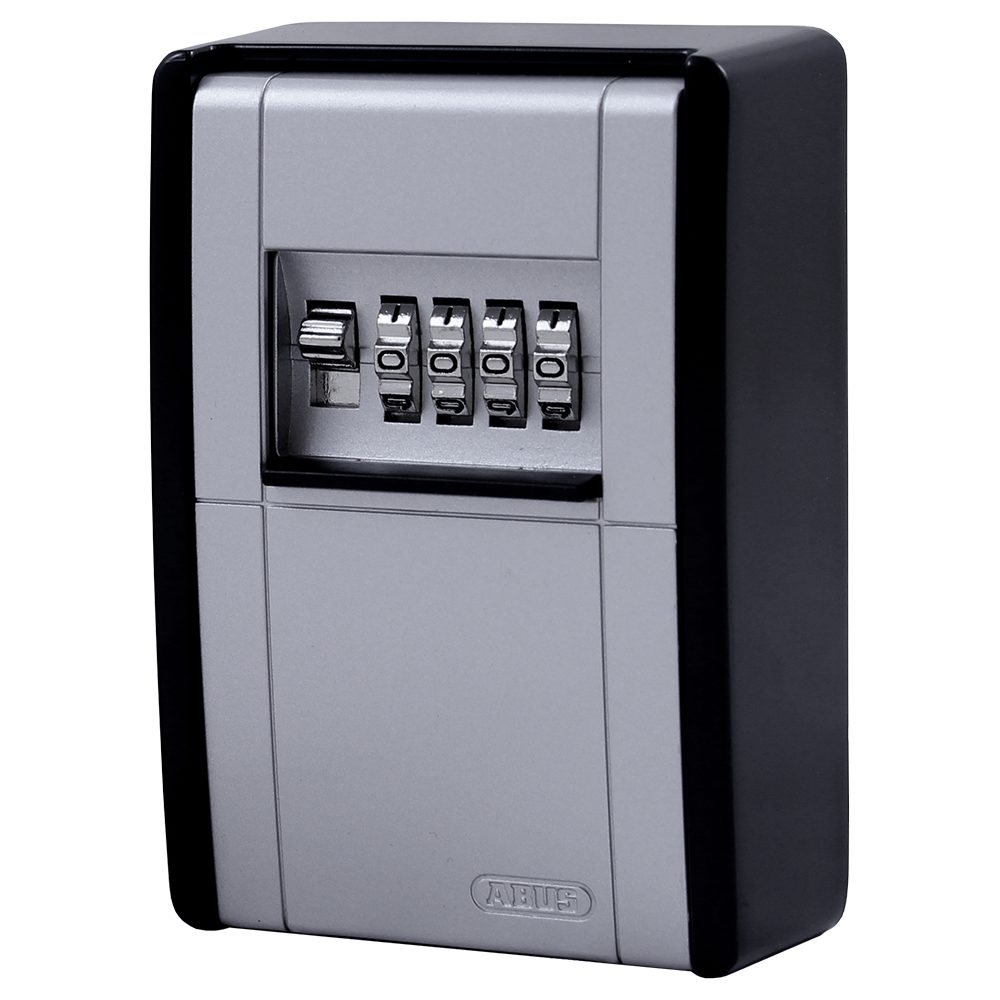
Key safes and key storage products for managed access, emergency entry, care visits, visitor access, and property workflows.
Safe-type selector
Start with the loss, then choose the safe.
A safe is not one product category. Cash, keys, paper records, backup media, medicines and regulated items fail in different ways. Pick the type around theft, fire, access control, concealment and insurance evidence before choosing size or lock style.
Home safe
Valuables, passports, jewellery, medicines
Burglary-rated, anchored, easy enough for daily use
Do not undersize for folders, boxes and future contents.
Cash safe
Till floats, takings, high-value stock
Cash rating or Eurograde accepted by the insurer
Confirm rating, lock and fixing conditions before ordering.
Deposit safe
Multi-user cash drops
Deposit slot with anti-fishing design and restricted collection access
The staff routine can defeat the hardware.
Fire/document safe
Wills, certificates, files, paper records
Tested paper fire protection for the required duration
Fire protection is not the same as burglary resistance.
Data safe
Drives, tapes, discs, removable media
Lower internal temperature and humidity protection
Paper fire ratings do not prove data-media safety.
Underfloor or wall safe
Concealed small-volume storage
Surveyed around depth, damp, services and access
The surrounding structure carries much of the security.
Need capacity and clear rating evidence?
Freestanding safes
The flexible default for homes and businesses. Ratings, sizes and lock options are broad, but small units still need proper anchoring.
Mixed valuables, cash, documents, shared business use.
Weak fixing turns a rated cabinet into a portable target.
Is discretion more important than volume?
Wall safes
Good for low-volume concealed storage where the wall is deep and strong enough. The wall must not become the weak point.
Small documents, jewellery, spare keys, occasional access.
Depth, masonry quality and future service access decide suitability.
Can the floor take an intrusive hidden install?
Floor and underfloor safes
Concealed below floor level and harder to lift away when the structure is suitable. Installation needs more survey work.
Hidden storage, cash reserves, valuables in suitable ground-floor locations.
Moisture, services, lid clearance and floor construction are common blockers.
Do users need to drop cash without opening the safe?
Deposit safes
Designed for envelopes or cash bags to be deposited without exposing the main compartment. Workflow matters as much as the box.
Retail, hospitality, reception desks, multi-user cash handling.
Anti-fishing design and collection routine must match the cash risk.
Would stolen keys unlock the real loss?
Key cabinets and key safes
Key storage protects access to places, vehicles and systems rather than simply storing objects. Judge the cabinet by what the keys open.
Care access, facilities teams, property management, vehicle keys.
External key safes can bypass stronger doors if placed or managed badly.
Is the item regulated, dangerous or audit-sensitive?
Controlled-access cabinets
Gun cabinets, medicine cabinets and controlled-stock cabinets need selection around legal, safety, user and audit duties.
Medicines, restricted goods, tools, firearms where lawful and appropriately specified.
The access log, user policy and emergency route are part of the specification.
Failure-mode map
Match the cabinet to what failure would look like
The practical brief is short: what is inside, what could go wrong, who opens it and what evidence will an insurer or auditor expect?
Daily valuables
Home safe, compact freestanding safe, discreet cabinet
Jewellery, watches, passports, deeds, medicines, spare keys, small devices
Look beyond size: burglary rating, fixing surface, family access and hiding place decide whether the safe is used consistently.
Cash and business takings
Cash safe, Eurograde safe, deposit safe
Till floats, daily takings, petty cash, sealed cash bags, high-value stock
Insurers may specify a cash rating, European grade, anchoring method, lock type, alarm link or out-of-hours routine.
Fire and records
Fire safe, document safe, data/media safe
Paper files, wills, certificates, backup drives, tapes, discs, memory cards
Paper fire protection and data media protection are different. Data media needs lower internal temperature and humidity control.
Concealment and structure
Wall safe, floor safe, underfloor safe
Low-volume valuables, cash reserves, documents, keys, items needing hidden storage
The safe depends on the wall or floor around it. Depth, damp, services, access hatch and future opening access matter.
Lock type comparison
The lock should fit the access routine
A stronger cabinet can still be undermined by weak key control, shared codes, dead batteries, missing override plans or staff who need to open the safe too often.
Key lock
Simple, familiar and independent of batteries.
Keys can be lost, copied, held by former users or stored too close to the safe.
Electronic keypad
Fast for frequent access and easier to change when users change.
Needs code discipline, battery planning, lockout handling and protection against shared codes.
Mechanical combination
No battery dependency and no physical key to hide.
Slower to operate and still needs controlled code changes after staff or household changes.
Dual control or audit lock
Supports higher-risk workflows with two-person access, delay or event records.
Adds management overhead and must be matched to the insurer, staff routine and emergency access plan.
Home safes, compact safes and everyday valuables
A domestic safe is often chosen for jewellery, watches, passports, deeds, spare keys, small electronics, medicines or important paperwork. The right model depends on the highest-value item, who needs access, whether children, carers or visitors are present, and whether the safe is expected to satisfy an insurer rather than provide convenience storage only.
- Choose capacity around the likely final contents, including document folders, jewellery boxes, spare keys, medicine packs and devices with chargers or cases.
- Check whether cash or valuables cover is needed before storing jewellery, cash, watches, collections or customer property.
- Plan who knows the code, who holds override keys, how access changes after house moves, and how emergency access is handled.
- Avoid obvious, cramped or awkward locations that encourage users to leave valuables outside the safe after a few weeks.
Cash safes, Eurograde safes and deposit safes
Cash safes are specified around burglary resistance, declared values, staff routine and insurer acceptance. Eurograde safes tested to recognised burglary-resistance standards are commonly used where cash, jewellery or business assets need a clearer insurance conversation than a generic cabinet can provide. Deposit safes add a separate workflow: users can post cash or envelopes without opening the main safe.
- Confirm the required cash rating, valuables multiple, grade, lock type and anchoring conditions before purchase.
- Match the access method to the risk: key, electronic keypad, time delay, dual control, audit lock or deposit drawer.
- Separate daily till handling from longer-term storage so staff are not repeatedly opening the highest-risk compartment.
- Keep rating labels, model details, serial information, invoice and installation evidence with insurance records.
Fire safes, document safes and data media safes
Fire safes are designed around internal temperature, humidity and time exposure. Paper records, photographic material and digital media need different protection thresholds, so a paper fire safe should not be assumed suitable for hard drives, tapes, memory cards or removable media. Data and media safes are built for more sensitive contents and should be specified separately from ordinary document storage.
- Confirm whether the fire rating is for paper, data media, disks, tapes or another content class.
- Check tested duration, such as 30, 60, 90 or 120 minutes, and consider the cooling period after the fire is extinguished.
- Use burglary-rated storage as well where theft resistance, cash cover or insurer approval is required.
- Keep off-site or cloud backups for information that must survive any single property incident.
Wall safes, floor safes and underfloor safes
Wall, floor and underfloor safes add concealment and can make removal harder when the surrounding structure is suitable. They need more planning than a freestanding safe because the installation depends on wall depth, floor construction, damp risk, access, lid clearance, nearby services and the strength of the material around the safe.
- Use wall safes only where the wall can take the safe depth, weight, fixing method and attack pressure.
- Use floor or underfloor safes where the floor structure, moisture conditions, access hatch and lifting method are suitable.
- Think about future servicing, lock replacement, code resets and safe opening before hiding the unit too tightly.
- Confirm cutting, lifting, building work and specialist handling before ordering a concealed or heavy product.
Key cabinets, key safes and controlled-access cabinets
Not every secure-storage problem is a valuables-safe problem. Key cabinets and external key safes control access to buildings, vehicles and equipment. Medicine cabinets, controlled-stock cabinets and gun cabinets where lawful bring extra safety, user and audit duties. These products should be chosen around who can open them, what the stored item unlocks or permits, and what happens if access is misused.
- For key storage, judge the risk by the doors, vehicles, plant rooms, safes or systems the keys unlock.
- For medicines and controlled stock, consider user permissions, audit records, emergency access and stock reconciliation.
- For firearms or other regulated items, follow the applicable legal and police or authority requirements for the specific situation.
- Do not place external key safes or access cabinets where they create an easy route around the main security plan.
Choosing by risk, rating, lock and fixing method
The best safe fits the contents, access pattern and installation constraints rather than simply being the heaviest or cheapest option. Specify around value, fire exposure, burglary risk, user behaviour, location, anchoring and insurer conditions, then choose the safe family and lock type that support that risk profile.
- For mixed contents, list the highest-risk item first and decide whether one safe can cover all risks or separate storage is cleaner.
- Confirm whether the insurer uses cash ratings, Eurogrades, valuables ratings, fire standards or installation conditions to set cover.
- Choose a location that supports everyday use while reducing visibility, removal risk and unauthorised observation of codes or keys.
- Use professional installation, moving or opening where weight, fixings, lock work, floor loading or property damage risks are involved.
FAQs
Types of Safes | Lock & Key FAQs
Short answers for separating product research, fitting, survey and urgent callout work.
What type of safe is best for a house?
A house normally needs a compact burglary-rated safe for valuables, a document or fire safe for paperwork, or separate products where both risks matter. The right choice depends on jewellery value, documents, medicines, children or visitors in the home, fixing location and any insurer requirement.
Is a fire safe the same as a cash safe?
No. A fire safe is designed around heat, time and contents such as paper or data media. A cash safe is designed around burglary resistance and insurer-recognised security. Some products combine protections, but each rating should be checked separately.
What is a Eurograde safe?
Eurograde usually refers to safes tested to recognised European burglary-resistance standards such as EN 1143-1. Insurers often use the grade, installation and lock details when deciding acceptable cash or valuables cover.
Are wall safes safer than freestanding safes?
Not automatically. A wall safe can be discreet, but it is limited by wall depth and surrounding construction. A properly rated and anchored freestanding safe may be better for higher values, larger contents or business use.
When does a business need a deposit safe?
A deposit safe suits sites where several users need to deposit cash bags, envelopes or documents without opening the main compartment. It is most useful when paired with a clear cash handling routine, restricted collection access and a suitable cash rating.
Should a safe have a key lock or digital lock?
Key locks are simple but depend on strict key control. Digital locks suit frequent access and staff changes, but codes, batteries and lockout procedures need management. Higher-risk sites may need dual control, time delay or audit functions.
Installation and emergency support
Need types of safes handled by our team?
Call for locksmith callouts, vehicle keys, safes, grilles, shutters, CCTV, alarms, access control, fire doors, and installation work. Share the postcode, photos, urgency and any product details so the job can be routed cleanly.
Call our team
01296 925335