

Installation and emergency support
For front door lock replacement, call the team with the postcode, photos, urgency and any product details ready.
Locksmith guide
Front Door Lock Replacement
Front door lock replacement is not one job with one part. The right answer depends on the door construction, the lock family already fitted, the insurance wording, the escape route, and whether the weakness is the cylinder, the lock case, the multipoint mechanism, the keep, or the door alignment.
Key point
Start with the door, not the keyway
A timber door may need a BS3621 mortice deadlock, sashlock, nightlatch, or a combination. A uPVC or composite door usually needs a correctly sized euro cylinder working with a multipoint mechanism.
Key point
Match the standard to the lock family
BS3621 is commonly checked on timber-door mortice locks and British Standard nightlatches. Euro cylinder doors are usually assessed by cylinder security, handle protection, multipoint condition, and the door set.
Key point
Upgrade the real weak point
A good cylinder cannot rescue a failing gearbox, and a British Standard lock can underperform in a split timber frame. The strongest replacement plan treats the door, lock, keep, furniture, and frame as one security layer.
Key point
Do not force a stiff entrance lock
If the handle must be lifted hard or the key only turns with pressure, the door may be out of line. Forcing it can break the gearbox, bend a key, or turn a simple adjustment into a full mechanism replacement.
Key point
Measure before buying
Cylinder length, mortice case depth, backset, centres, handedness, faceplate width, and keep position all affect whether a replacement fits cleanly and secures properly.
Key point
Balance security and escape
Thumbturn cylinders, escape locks, deadlocking nightlatches, and key-operated mortice locks all affect how quickly someone can leave from inside. Consider daily and emergency exit before choosing keyed control on both sides.
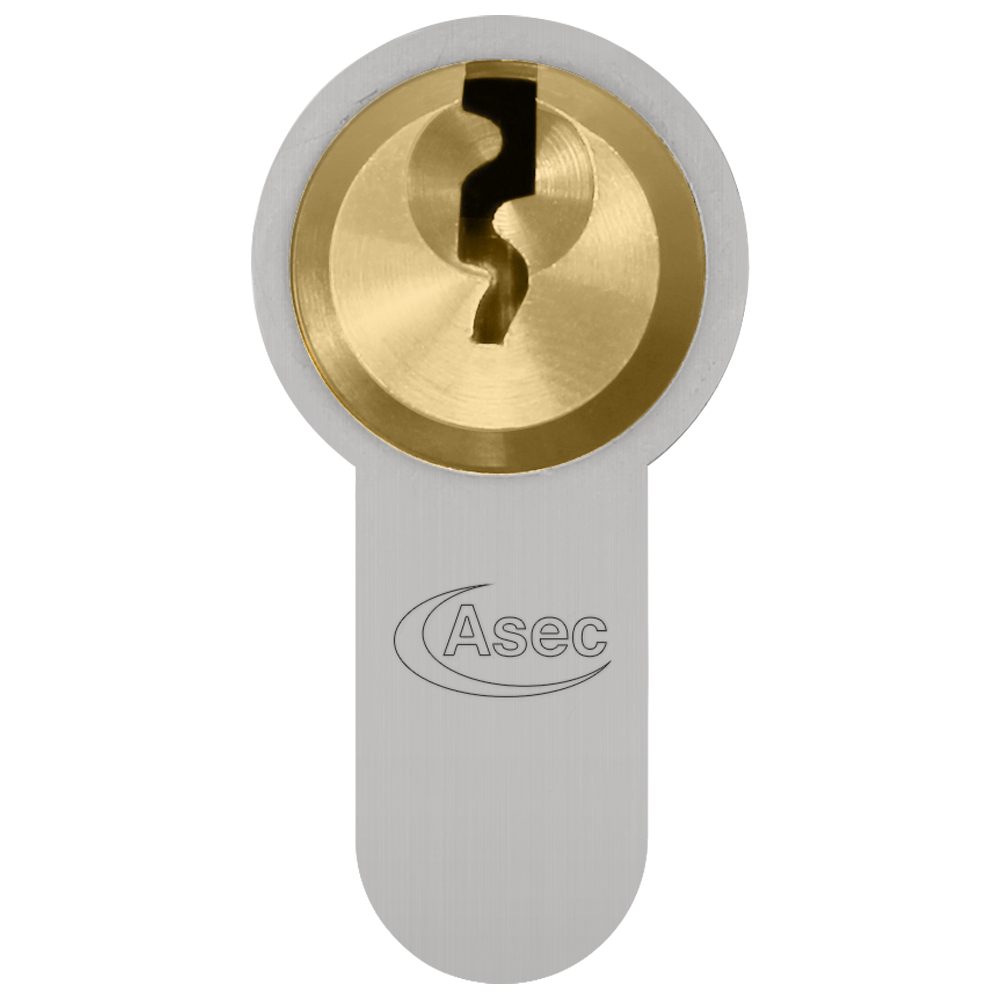
Double Euro
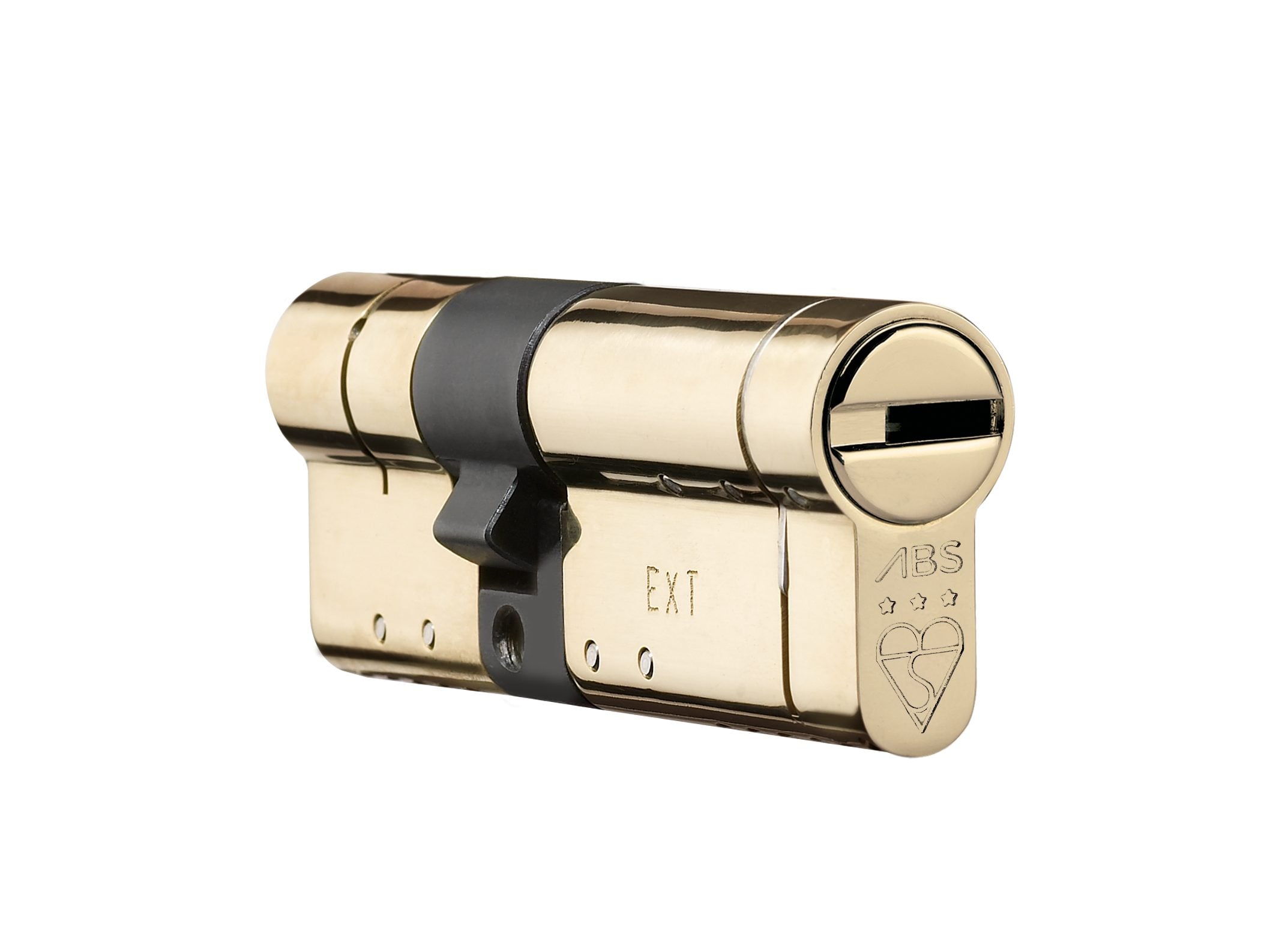
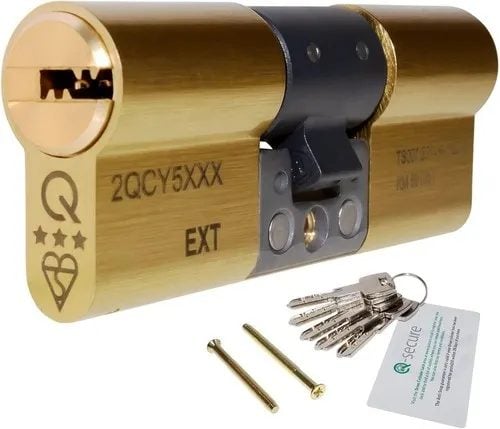
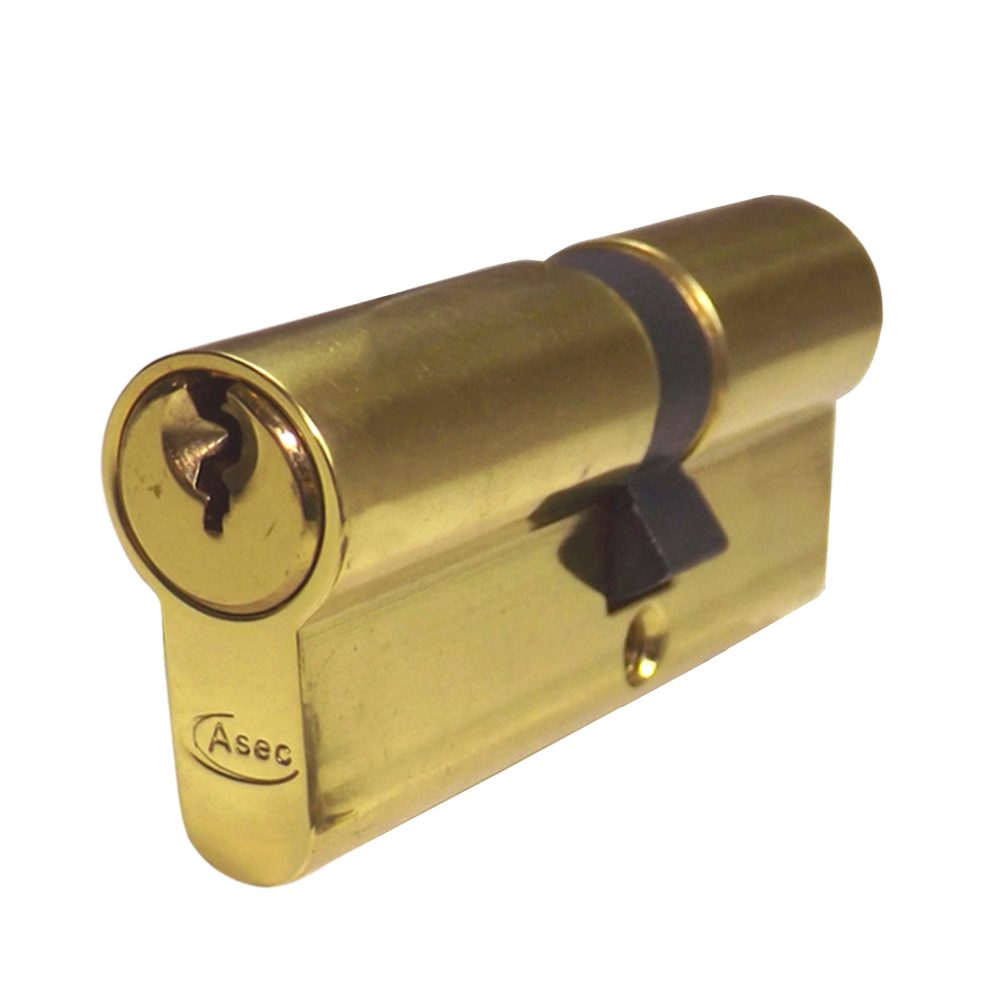
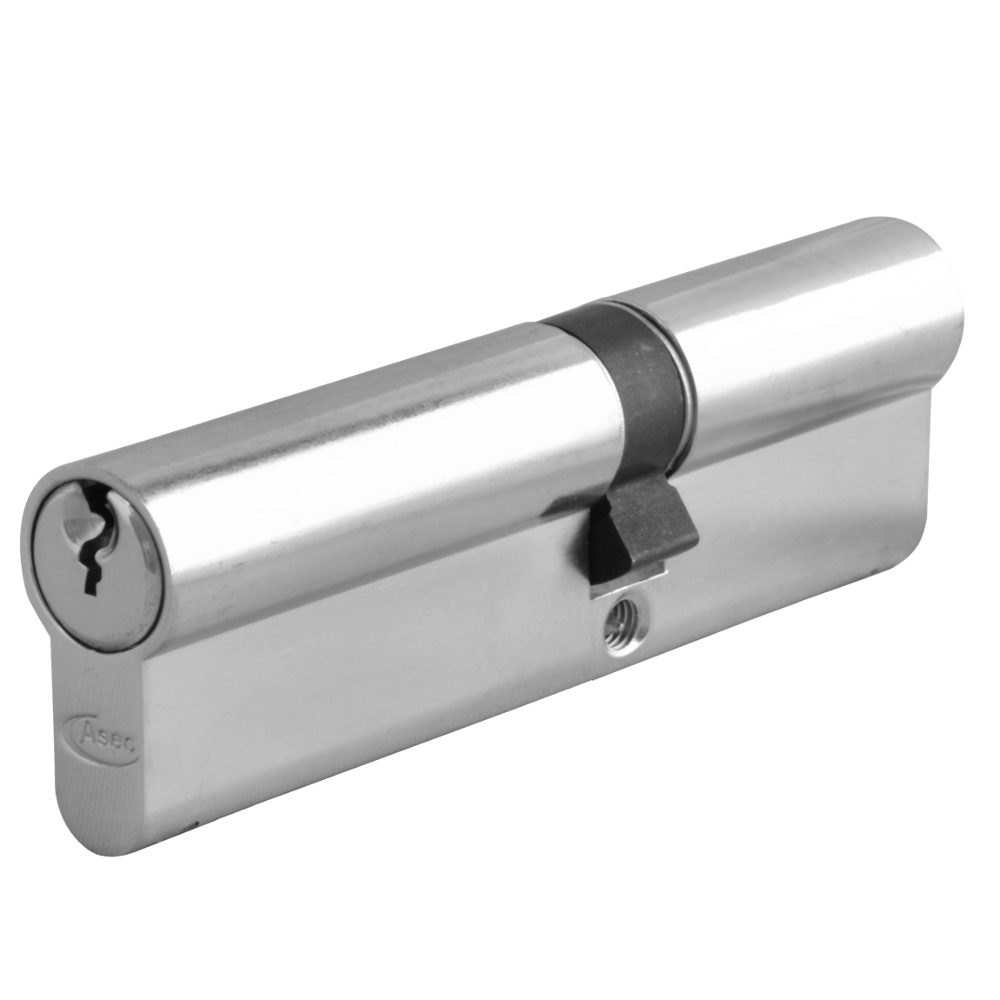
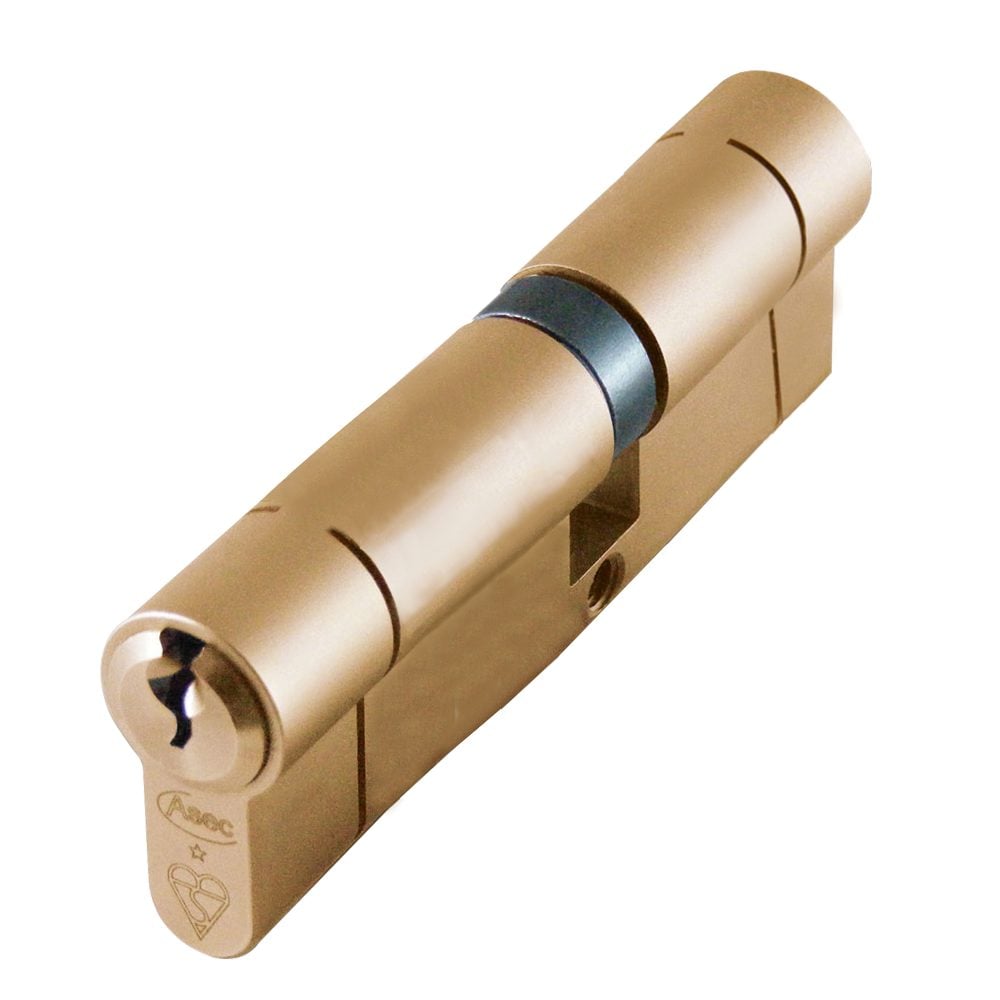
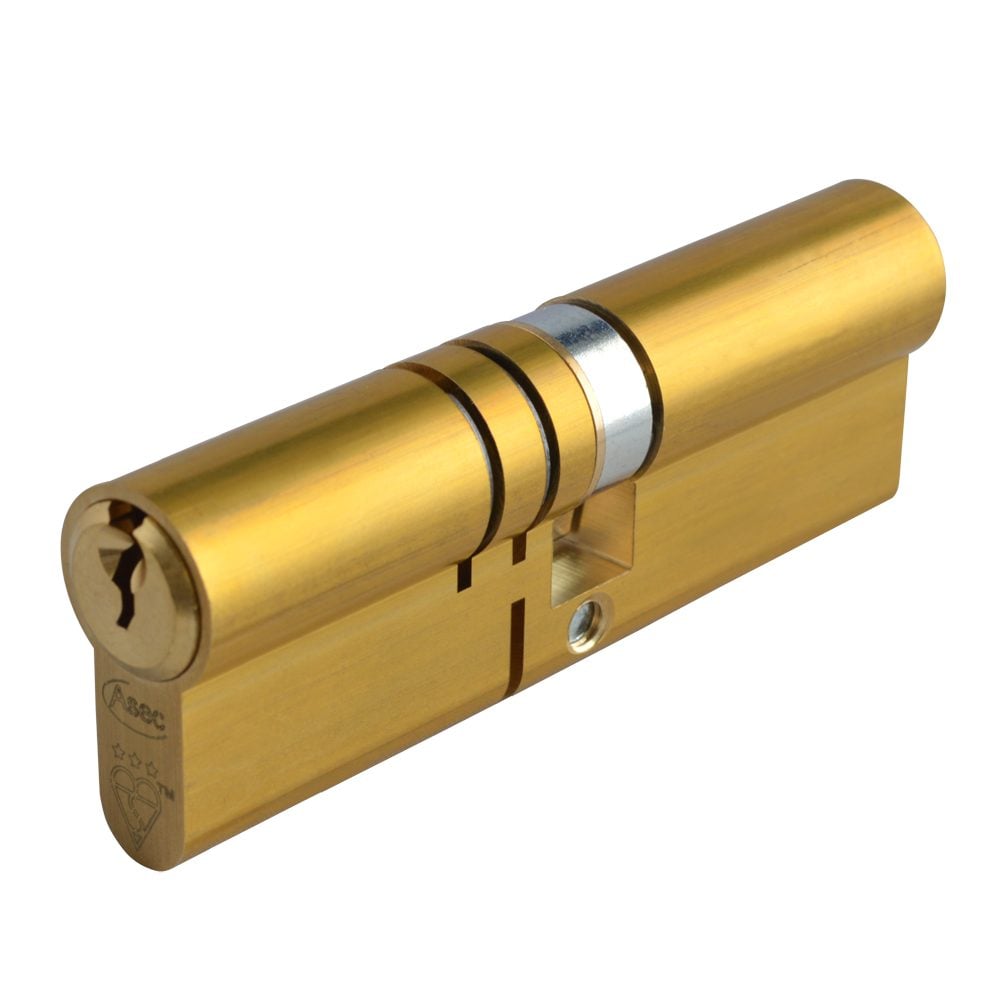
Double euro cylinders are relevant for many uPVC, composite, aluminium, and some timber front doors. Check the exact length, cam position, internal access needs, handle protection, and security rating before replacing a front door cylinder.
Front-door upgrade map
Find the exposed part before choosing the replacement.
A front door upgrade should answer four questions: what can be reached from outside, what actually throws the bolt, what the frame can hold, and how people leave in an emergency.
First: identify the lock family.
Mortice, nightlatch, euro cylinder, multipoint and narrow-stile cases fail in different ways. The visible keyway is not enough.
Second: check exposure.
Projection, reachable glazing, letterplates, weak handles and poor lighting can matter as much as the lock rating.
Third: match the standard.
Use BS3621 where the timber-door lock needs that standard. Use TS007 or equivalent high-security cylinder protection where the door uses euro hardware.
Fourth: keep exit practical.
Double-key, thumbturn and deadlocking options change daily use and emergency escape. Security should not create a trapped-in risk.
When replacement is the right answer
Replacement is sensible after lost keys, a move, burglary damage, visible wear, unreliable locking, unknown key holders, or a security review that shows the entrance lock no longer matches the risk. The important decision is whether to replace the whole lock system or only the part that controls key access.
- Lost or copied keys usually point to cylinder replacement, rim cylinder replacement, or re-keying where the lock type allows it.
- A lock that works open but not shut usually points to door alignment, keep position, hinge wear, swelling, or a loaded multipoint mechanism.
- A key that turns without moving the bolts can mean a failed cam, gearbox, tailpiece, spindle, or internal lock case fault.
- Damage around the keep, frame, staple, escutcheon, or handle should be repaired alongside the lock change.
- Security upgrades should target the known weakness: snap-prone cylinders, non-BS mortice locks, basic nightlatches, weak furniture, or poor frame fixing.
- A very old lock may be better replaced than repaired if parts are obsolete or the existing cut-outs limit reliable adjustment.
Timber, uPVC and composite doors differ
Front door material changes the lock specification. Timber doors often accept mortice locks and nightlatches cut directly into or onto the door. uPVC and composite doors usually rely on a euro cylinder driving a multipoint strip. Aluminium and modern timber doors may use either approach, so the existing hardware should be identified before parts are ordered.
- Timber: check door thickness, stile width, frame strength, existing mortice cut-outs, backset, case depth, faceplate, keep, and whether a second lock is already fitted.
- UPVC: check the euro cylinder, lever/lever or split-spindle handles, gearbox, hooks, rollers, mushrooms, centre case, keeps, and whether the door is square in the frame.
- Composite: treat the cylinder, handles, multipoint strip, keeps, hinges, and thermal movement as one system before blaming the key barrel.
- Aluminium: identify whether the door uses a narrow stile lock, euro cylinder case, multipoint mechanism, or commercial-style hardware.
- Mixed retrofits: be cautious where a timber door has been converted to euro cylinder hardware or a uPVC door has non-standard replacement parts.
- Glazed entrance doors: choose hardware and internal access arrangements that suit the glazing risk and the need to exit safely.
BS3621, insurance and recognised markings
BS3621 is a common insurance reference for external doors, especially timber doors with mortice deadlocks, sashlocks, and higher-security nightlatches. It means the complete lock has been tested to a recognised burglary-resistant standard, but it still has to be fitted correctly with a suitable keep and sound door frame.
- Mortice deadlocks and sashlocks should normally be 5-lever and clearly marked where BS3621 compliance is required.
- British Standard nightlatches are available, but a basic non-deadlocking nightlatch should not be treated as the only high-security front door lock.
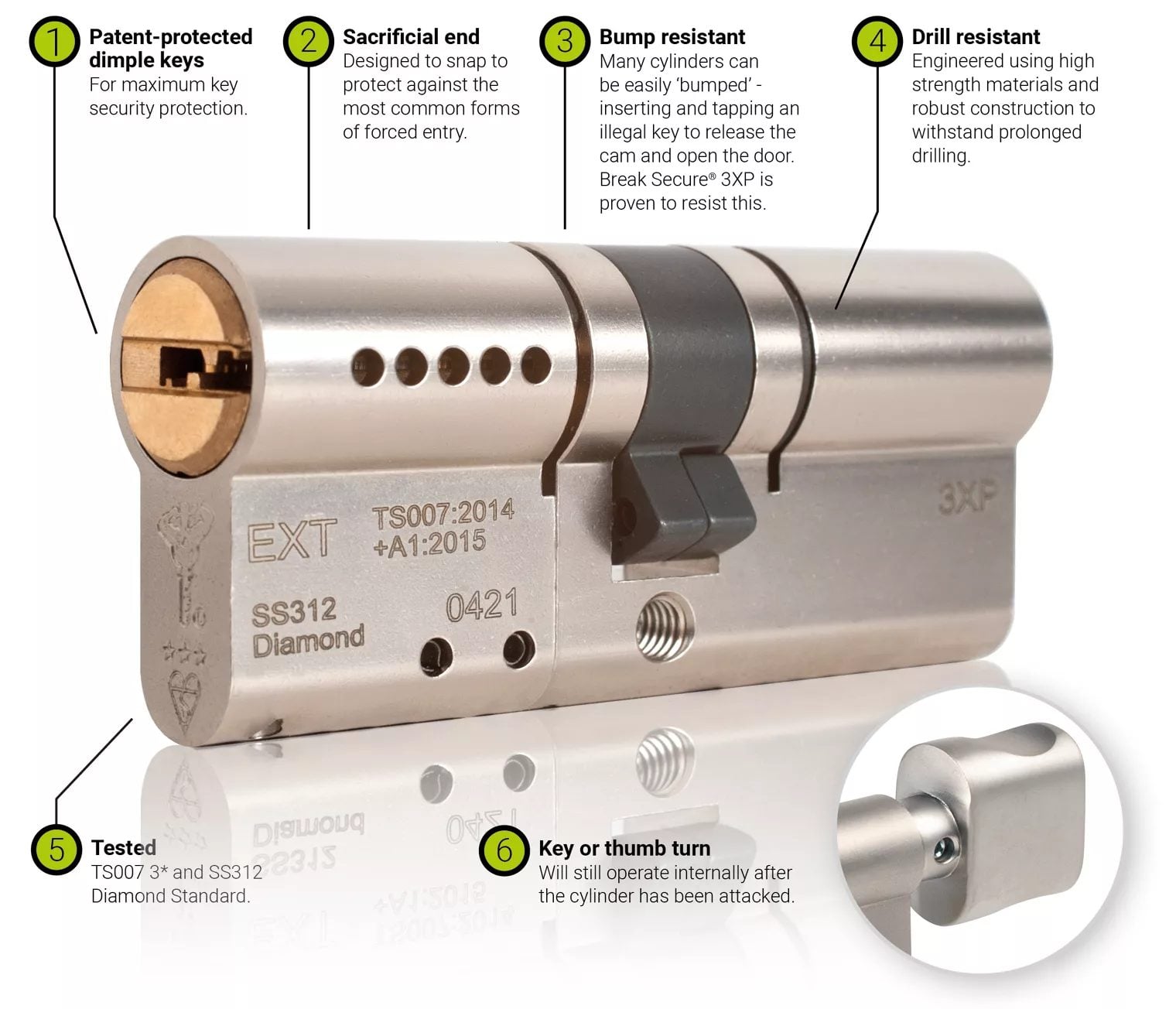
- Euro cylinder doors are often judged by cylinder standard and protection, such as TS007 3-star or equivalent high-security anti-snap protection.
- A lock can carry the right mark and still be compromised by weak screws, a loose keep, damaged timber, excessive cylinder projection, or poor door alignment.
- Insurer wording varies between mortice locks, multipoint locks, patio doors, final exit doors, and key-operated locks; match the exact wording before buying.
- Keep photos of the lock faceplate, cylinder marking, and final fitted setup if replacement is being done for insurance evidence.
Euro cylinders and anti-snap protection
Many uPVC, composite, aluminium, and some timber front doors use a euro cylinder to operate a multipoint lock or cylinder mortice case. If the cylinder is low grade, projects too far, or is fitted behind weak furniture, it can become the easiest attack point on the door.
- Measure from the centre fixing screw to the outside face and inside face separately; front door cylinders are often unequal lengths.
- The cylinder should sit close to the handle or security escutcheon. Excess projection gives attackers more purchase.
- Choose anti-snap protection where cylinder attack is a credible risk; TS007 3-star and Sold Secure Diamond are common high-security references.
- A TS007 1-star cylinder may need compatible 2-star security handles or escutcheons to reach a stronger combined protection level.
- Double key cylinders give keyed control both sides, but can slow exit. Key-and-turn cylinders improve exit convenience where the layout makes that safe.
- Do not assume a new cylinder fixes a stiff door; a loaded multipoint mechanism can break even with a high-quality cylinder fitted.
Nightlatches, rim cylinders and pull-shut convenience
A nightlatch is the surface-mounted lock often associated with pull-shut front doors. It is useful for day-to-day latching, but the security level depends on the nightlatch type, cylinder, strike, door frame, and whether another approved deadlock is fitted.
- Basic nightlatches are convenient but should not be assumed to meet modern insurance or burglary-resistance expectations on their own.
- Deadlocking and auto-deadlocking nightlatches can resist simple slipping attacks better than basic latch-only models.
- British Standard nightlatches can suit timber front doors where the door and frame accept the correct body, cylinder, and staple.
- Rim cylinder replacement changes the outside key access for many nightlatches without replacing the whole internal case.
- Backset matters: common nightlatch backsets differ, and the wrong body can leave old holes exposed or misalign the cylinder pull.
- Escape matters: avoid creating a setup where people can be locked in without a practical exit route.
Mortice deadlocks and sashlocks on timber doors
Mortice locks are cut into the door edge. A deadlock has a bolt only; a sashlock combines a latch and bolt for handle operation. Replacement must respect the existing cut-out, the door stile, the keep, the frame, and any insurance standard required.
- Check whether the existing lock is a deadlock, sashlock, 3-lever, 5-lever, BS3621, euro-profile case, or oval-profile case.
- Measure case depth, backset, centres, faceplate size, forend shape, follower size, and keyway position before choosing a replacement.
- A 3-lever mortice lock is usually an internal-door level product, not a front-door security upgrade.
- Do not enlarge a mortice cut-out casually; removing too much timber can weaken the stile and make future fitting harder.
- The keep must line up with the bolt without forcing the door. A certified lock loses value if the bolt barely enters the frame.
- Where the timber frame is split, thin, rotten, or previously damaged, repair the frame before relying on a new lock.
Multipoint mechanisms, handles and keeps
On uPVC and composite entrance doors, the euro cylinder normally drives a gearbox connected to hooks, rollers, mushrooms, or bolts along the door edge. The cylinder is only one part of the lock system, so symptoms should be tested with the door open and shut.
- If the key turns easily with the door open but not closed, inspect hinges, keeps, compression, and door alignment before replacing the cylinder.
- If the handle will not lift fully, the mechanism may be loaded, worn, seized, or blocked by keep misalignment.
- Match replacement mechanisms by backset, centres, faceplate width, locking point layout, gearbox, spindle type, and overall strip length.
- Loose or cracked handles can stop the spindle transferring movement cleanly and can also leave the cylinder poorly protected.
- Worn keeps should be adjusted or replaced so every locking point engages without needing force.
- Seasonal movement and dropped doors can return if hinge adjustment or frame condition is ignored.
Measuring and fitting risks
Front door lock fitting can look simple until one dimension is wrong. The most common avoidable problems are cylinders that project too far, mortice cases that do not match old cut-outs, wrong backsets, misaligned keeps, and replacement mechanisms that nearly fit but bind under load.
- Cylinder length: measure both sides from the fixing screw, including the handle or escutcheon depth, not just the door slab.
- Cylinder projection: aim for a flush or near-flush fit with suitable furniture; excessive projection weakens snap resistance.
- Mortice backset and case depth: confirm the keyhole and handle positions before cutting or ordering.
- Nightlatch backset: choose the body that aligns with the existing cylinder hole or plan a neat repair.
- Multipoint gearbox: match the centres, backset, spindle, faceplate and locking-point layout rather than buying by brand alone.
- Fire or flat entrance doors: do not alter certified doorsets or escape hardware without checking the door specification and responsibilities.
Security upgrade choices by risk
The best front door upgrade improves the attack point most relevant to the door while keeping daily access reliable.
- Lost-key risk: replace or re-key the cylinder, rim cylinder, or lock so old keys no longer operate the door.
- Snap risk: fit a correctly sized anti-snap euro cylinder with suitable handles or escutcheons.
- Timber-door insurance risk: upgrade to a properly fitted BS3621 mortice lock or British Standard nightlatch where appropriate.
- Slip risk: replace basic latch-only arrangements with deadlocking or properly specified alternatives.
- Frame risk: strengthen or repair weak keeps, staples, screws, strike plates, and damaged timber before relying on a new lock.
- Convenience risk: choose keyed, thumbturn, keyed-alike, or restricted-key options based on who needs access and how the door is used.
Common front-door replacement tradeoffs
Most mistakes come from choosing the visible part instead of the failed or insecure part. Use the door type, symptom and exit requirement to choose the smallest dependable change.
- Cylinder-only replacement pros: fast key-control reset and security-rating upgrade on euro-cylinder doors. Cons: does not repair a failing multipoint strip, loose handle or dropped door.
- Mortice lock replacement pros: strong route for timber doors where BS3621 or a fresh lock case is required. Cons: needs careful cutting and a sound frame or it can weaken the door.
- Nightlatch upgrade pros: improves pull-shut convenience and latch security where the door suits it. Cons: basic nightlatches are not a substitute for a proper deadlock or marked British Standard product.
- Thumbturn cylinder pros: easier exit from inside. Cons: may be unsuitable where reachable glazing, letterplates, shared-building rules or insurance wording create key-control concerns.
FAQs
Front Door Lock Replacement FAQs
Short answers for separating product research, fitting, survey and urgent callout work.
What lock should a front door have?
It depends on the door. Timber front doors commonly use a BS3621 mortice deadlock, sashlock, British Standard nightlatch, or a combination. uPVC and composite doors commonly use a euro cylinder with a multipoint mechanism, where anti-snap cylinder security and correct alignment matter.
Is BS3621 needed on every front door?
Not always. BS3621 is often specified for timber-door mortice locks and some nightlatches. uPVC and composite doors are often described differently by insurers because the cylinder works with a multipoint mechanism. Check the policy wording before buying parts.
Can I replace only the euro cylinder?
Yes, when the cylinder is the issue and the multipoint lock is healthy. Cylinder-only replacement is common after lost keys or when upgrading to anti-snap protection. If the handle is stiff, the key binds when the door is shut, or the hooks do not throw cleanly, diagnose the mechanism and alignment first.
How much should a euro cylinder stick out?
As little as practical once the handle or escutcheon is fitted. Excess projection gives an attacker more purchase and can undermine anti-snap protection. Measure from the fixing screw to each finished face rather than measuring the old cylinder alone.
Are anti-snap cylinders worth fitting?
They are a sensible upgrade on many uPVC, composite, aluminium, and euro-cylinder timber front doors. Choose the correct size and a recognised security rating, and pair the cylinder with suitable handles or escutcheons where needed.
Should a front door have a thumbturn inside?
A thumbturn can make exit faster and avoids needing a key from inside, which can be important for everyday safety. It may not suit every layout, especially where reachable glazing or shared access rules affect the risk. Balance exit, convenience, and key control before choosing.
Can a nightlatch be the only lock on a front door?
A basic nightlatch is usually a convenience latch, not a complete high-security front door specification. Some British Standard nightlatches are designed for higher security, and many timber doors combine a nightlatch with a mortice deadlock.
Why does my front door lock work when open but not when closed?
That usually points to alignment, keeps, hinges, compression, swelling, or frame movement rather than the cylinder alone. Forcing the handle or key can damage the gearbox or lock case.
What measurements matter before replacing a mortice lock?
Check the case depth, backset, centres, faceplate size, forend shape, follower size, keyway position, door thickness, and keep alignment. The existing cut-out in the timber can limit what will fit cleanly.
When should a locksmith fit the replacement instead of DIY?
Professional fitting is the safer route when the door is misaligned, the frame is damaged, a multipoint mechanism may have failed, a mortice cut-out needs alteration, insurance compliance needs confirming, or the entrance door must be secure the same day.
Installation and emergency support
Need front door lock replacement handled by our team?
Call for locksmith callouts, vehicle keys, safes, grilles, shutters, CCTV, alarms, access control, fire doors, and installation work. Share the postcode, photos, urgency and any product details so the job can be routed cleanly.
Call our team
01296 925335