
Installation and emergency support
For locksmith support, call the team with the postcode, photos, urgency and any product details ready.
Locksmith expertise
Locksmiths
Locksmith work is not only about replacing the part that takes the key. The right answer depends on whether the door is open, locked shut, insecure, misaligned, damaged, covered by insurance wording, or part of a wider access-control problem.
Key point
Access first when the door is shut
A locked-out, locked-shut, damaged, or insecure door needs controlled entry and immediate security before any normal replacement specification can be trusted.
Key point
Diagnose the actual failed part
A stiff key, spinning cylinder, loose handle, dropped door, failed gearbox, or worn keep can feel like a cylinder problem while the fault sits elsewhere.
Key point
Door type changes the answer
Composite, uPVC, timber, aluminium, shopfront, communal, and fire-exit doors each bring different lock cases, cylinders, keeps, handles, hinges, and escape requirements.
Key point
Security standards need context
TS007, SS312, BS3621, BS8621, PAS 24, and insurer wording point to different decisions depending on the door material, occupancy, and inside-exit requirement.
Key point
Cylinder size is a security detail
An anti-snap cylinder still has to be measured correctly. Excessive external projection can weaken the protection that the rating is meant to provide.
Key point
Businesses need key governance
Staff turnover, contractors, stock rooms, plant rooms, shared entrances, and restricted areas often need keyed-alike, master-key, restricted-key, or digital access planning.
Cylinder Locks
Cylinder products are relevant when the door is open, the existing cylinder can be measured, and the lock body or multipoint mechanism has not failed. For locked-shut, damaged, or uncertain doors, diagnosis should come first.
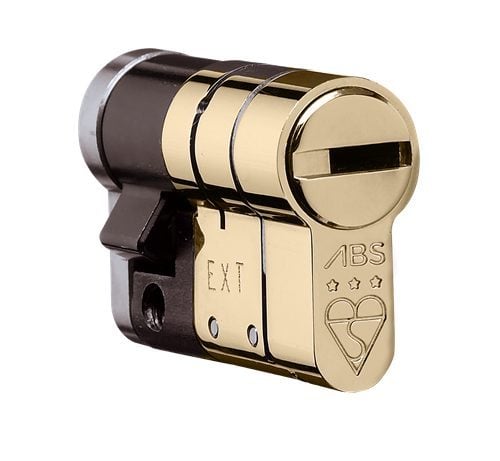
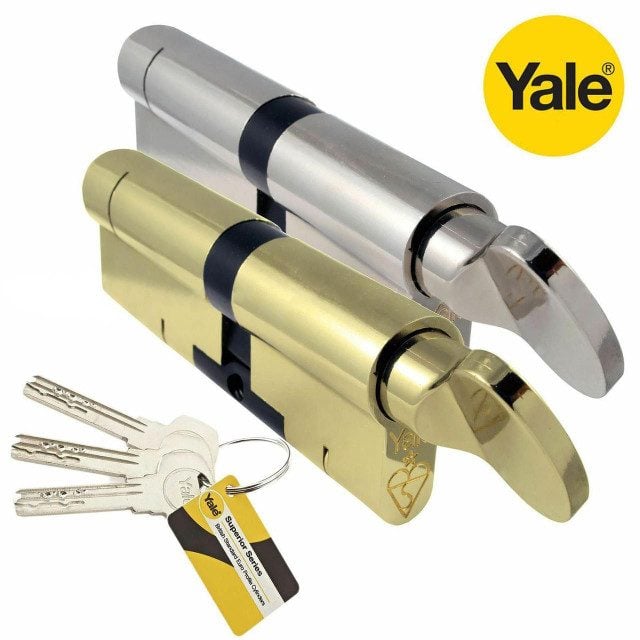
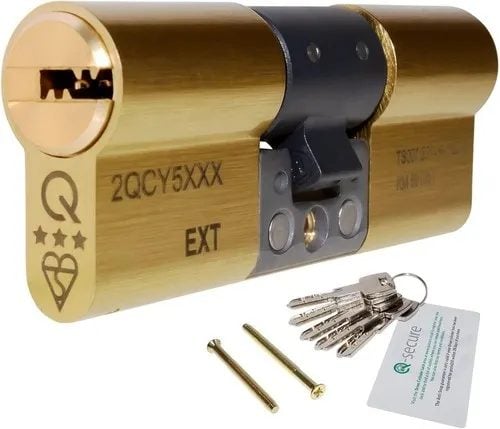
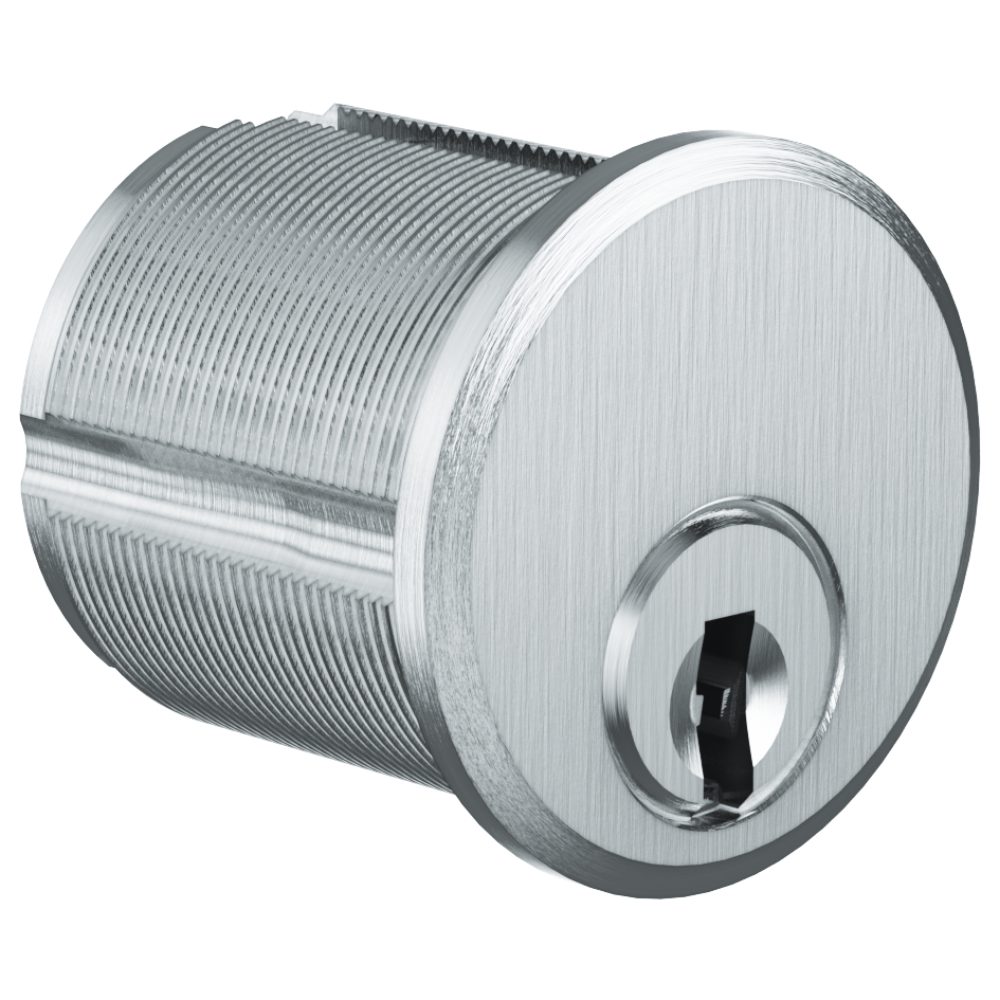
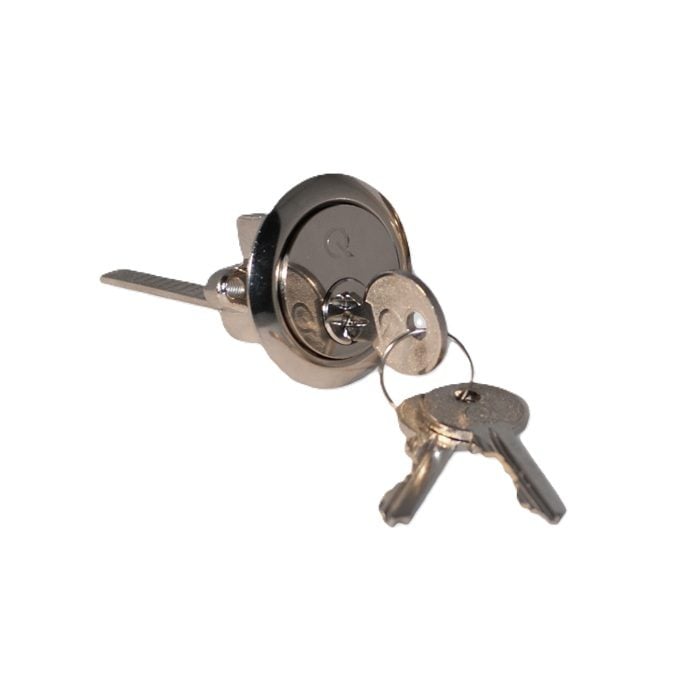
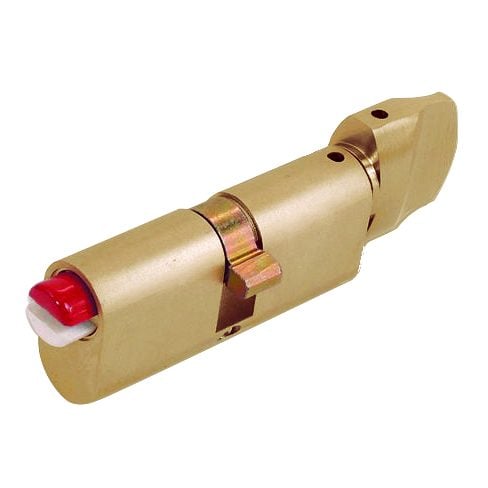
Building access diagnostic board
Start with the fault, then choose the lock path.
Pick the route by door state, key symptom, lock family, and door construction. That keeps emergency access, cylinder upgrades, multipoint faults, mortice standards, and key control separate.
Can the door open?
Locked out, locked shut, or insecure?
Treat it as emergency access first. Product choice comes after controlled entry and damage checks.
Is the key the symptom?
Stuck, snapped, lost, worn, or turning badly?
A cylinder may be worn, but alignment, key condition, or mechanism load can create the same feel.
Which lock family is fitted?
Euro cylinder, mortice case, night latch, or multipoint strip?
The visible keyway is only one part of the opening. Identify the lock family before ordering.
What is the door made from?
uPVC, composite, timber, aluminium, or commercial door?
Door construction decides whether the answer is cylinder, gearbox, keep, case, handles, or adjustment.
Service selection
Choose by mechanism, not guesswork.
Each path has a useful first move and a practical limitation. If the door is shut, insecure, or damaged, diagnose access before buying parts.
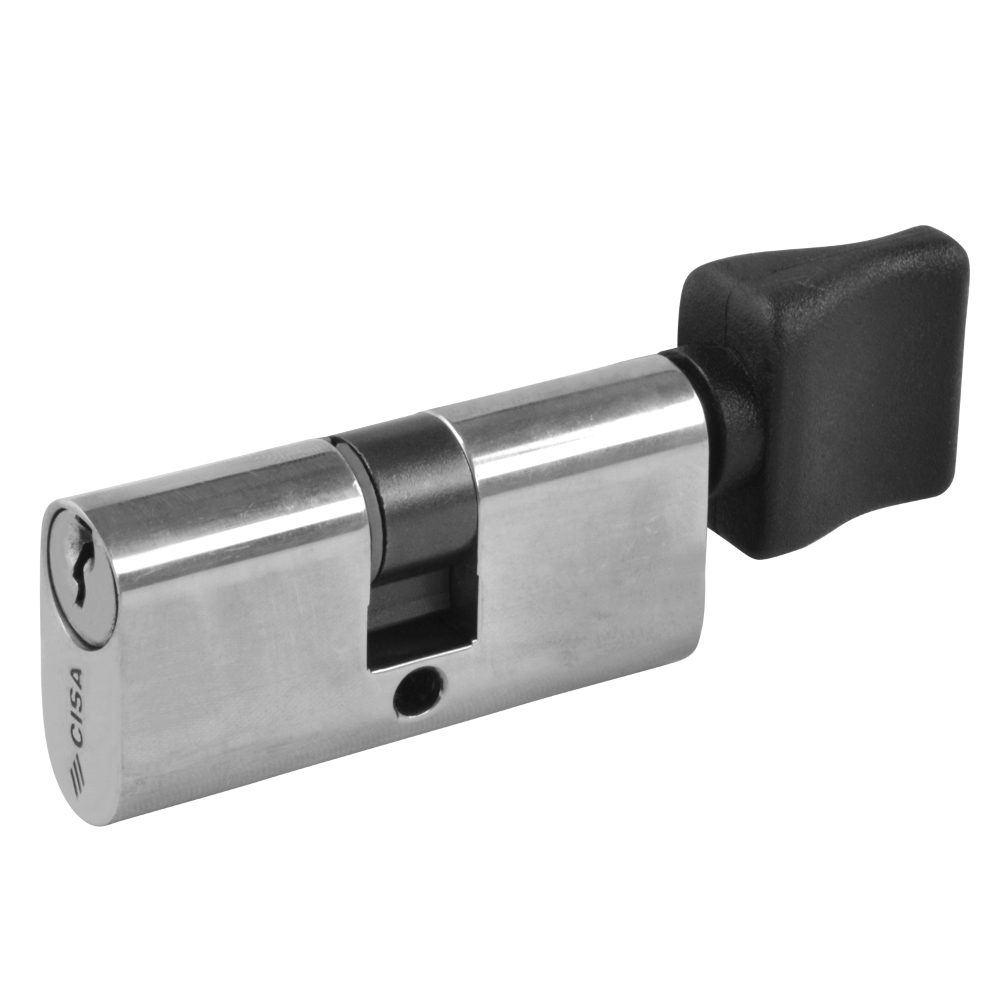
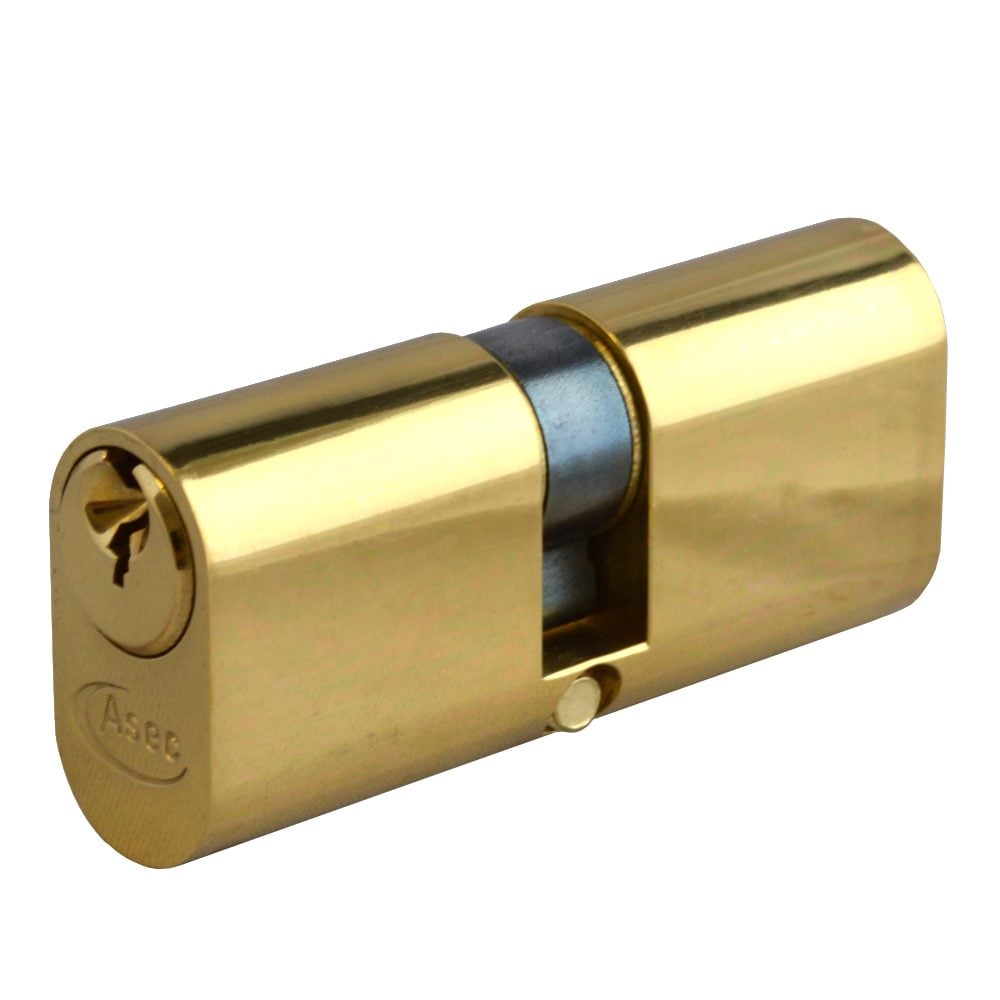
Cylinder decisions
- Door opens
- Cylinder can be measured
- Projection can be controlled
Not enough if the gearbox, keep, or door alignment is loading the lock.
Euro cylinder guideMultipoint decisions
- Handle lift feels heavy
- Hooks or rollers resist
- Door may have dropped
A new barrel can leave the same fault if the strip or gearbox is failing.
Composite and multipointMortice decisions
- Timber entrance door
- Insurance wording matters
- Exit method needs checking
A key-operated deadlock may not suit every escape or occupancy requirement.
BS3621 decisionsKey-control decisions
- Staff changes
- Restricted rooms
- Multiple access levels
Needs issue records and discipline; it is not just a like-for-like swap.
Master key planningStart with the door state, not the catalogue
A locksmith diagnosis begins with the state of the opening: open and working, open but unreliable, locked shut, insecure, visibly attacked, or ready for an upgrade. That state decides whether the next step is access, repair, measurement, replacement, or a broader security review.
- Locked out or locked shut: restore controlled access first, then test whether the key, cylinder, lock case, gearbox, handle set, or keep caused the problem.
- Open but unreliable: inspect alignment, handle lift, latch engagement, cylinder operation, and fixing points before ordering a visible replacement part.
- Lost or untrusted keys: decide whether cylinder replacement, re-keying, restricted keys, or a wider key-control change gives the cleanest reset.
- After attempted entry: treat the cylinder, handles, keeps, frame, glazing, hinges, and surrounding door set as one security system.
Fault symptoms that should not be forced
Several common lock faults get worse when extra pressure is added. A forced key can snap, a worn cylinder can fail completely, and a misaligned multipoint door can damage its gearbox if the handle is repeatedly lifted against resistance.
- Key stuck in the lock: stop twisting hard, support the key in line with the cylinder, and avoid bending it while deciding the next step.
- Broken key in the lock: avoid pushing the fragment deeper into the plug or adding glue, oil, or improvised tools that complicate extraction.
- Handle lifts but key will not turn: the multipoint hooks or rollers may be under pressure from door alignment rather than a simple cylinder fault.
- Cylinder visibly damaged: plan for secure access, replacement, and a wider check of handles, furniture, frame damage, and burglary resistance.
Door construction decides the lock family
The door material and construction often matter more than the name stamped on the key. A timber entrance may need a mortice deadlock, night latch, rim cylinder, or BS-rated assembly; a composite or uPVC door usually brings a euro cylinder, handles, and multipoint mechanism into the same decision.
- Composite and uPVC doors: check the euro cylinder, gearbox, multipoint strip, keeps, handle springs, door compression, and alignment together.
- Timber front doors: assess mortice locks, night latches, rim cylinders, door thickness, frame strength, hinge-side security, and insurer wording.
- Commercial doors: factor in usage volume, closer action, emergency exit duties, access hierarchy, restricted spaces, and whether the hardware is maintainable.
- Communal or managed doors: do not treat convenience alone as the deciding factor; escape, authorised access, auditability, and shared responsibility matter.
Standards, ratings, and insurance wording
Security standards are useful when they are matched to the door and risk. Police and industry guidance commonly points euro-cylinder upgrades toward TS007 three-star or Sold Secure Diamond SS312 protection, while traditional external timber doors are often discussed through BS3621. Escape needs can point to keyless-egress alternatives such as BS8621-style arrangements.
- TS007 and SS312: focus on tested resistance to common cylinder attacks, but only deliver the intended benefit when the cylinder is correctly sized and protected.
- Cylinder projection: trade guidance treats excessive projection beyond the furniture as a security weakness, so measurement is part of the specification.
- BS3621: relevant to many thief-resistant lock assemblies operated by key from both sides, especially where insurer requirements mention it.
- Escape routes: a lock that needs a key to exit can conflict with occupancy and fire-safety needs, so thumbturns or keyless-egress formats may be more suitable in some settings.
Business premises and key-control planning
Business lock work is rarely just a single-door repair. Staff turnover, contractor access, shared entrances, stock rooms, server rooms, plant rooms, and external stores can all turn a lock change into a key-management decision.
- Keyed-alike planning can reduce key bunches where the same authorised people should open several doors.
- Master key hierarchy can separate day-to-day user keys, supervisor access, restricted rooms, and management override.
- Restricted key systems can make unauthorised duplication harder to control compared with standard open key profiles.
- Digital or mechanical keypad locks can be more practical than issuing keys where access changes frequently and audit needs are modest.
Information that improves the first diagnosis
Clear details reduce guesswork and help separate a part-ordering decision from a site-diagnosis decision. Photos and measurements are most useful when the door is open and safe to inspect; a locked-shut or insecure door should be treated as an attendance problem first.
- Door type and material: timber, composite, uPVC, aluminium, shopfront, communal entrance, cabinet, gate, or garage access.
- Current state: open, closed, locked shut, insecure, key stuck, key broken, key lost, stiff, spinning, visibly damaged, or recently forced.
- Photos: outside handle, inside handle, lock edge, cylinder face, keep, hinge side, existing keys, and any brand or standard markings.
- Use requirement: family home, rental property, staff entrance, shared building, emergency exit, restricted area, or master-keyed site.
Repair, replace, or redesign access
The best locksmith route depends on whether the job is a mechanical fault, a key-control reset, or an access planning problem.
- Repair pros: lower cost and preserves compatible hardware when the fault is isolated to adjustment, lubrication, a keep, a spring, or a small measured part. Cons: poor choice when keys are untrusted or the lock no longer meets the required standard.
- Replacement pros: resets keys, removes worn parts, and can improve cylinder or BS-rated security. Cons: does not help if the new part is fitted into a dropped door, weak frame, or unmanaged key system.
- Access redesign pros: useful for businesses, landlords, shared entrances, restricted rooms, and recurring staff changes. Cons: needs planning, records, and disciplined key issue rather than a quick like-for-like swap.
FAQs
Locksmiths FAQs
Short answers for separating product research, fitting, survey and urgent callout work.
When is a locksmith visit better than ordering a replacement lock?
A locksmith visit is the safer route when the door is locked shut, insecure, damaged, misaligned, recently forced, or when the correct part cannot be confirmed from photos and measurements. Online ordering works best when the door is open, the lock type is known, and the existing cylinder or lock case can be measured accurately.
What should I do if my key is stuck or broken in the lock?
Stop forcing it. Twisting harder can snap the key or damage the cylinder, and pushing a broken fragment can drive it deeper into the plug. Keep the key or fragment as still as possible and treat the fault as a diagnosis problem rather than a strength test.
Does a new euro cylinder fix every uPVC or composite door fault?
No. A euro cylinder can be the right replacement after lost keys, cylinder wear, or an anti-snap upgrade, but stiff locking can also come from a dropped door, failed gearbox, worn handles, tight keeps, or a damaged multipoint strip.
What cylinder standard should I look for on an external door?
For euro cylinders, look for meaningful anti-snap protection such as TS007 three-star or Sold Secure Diamond SS312 where lock snapping is a realistic risk. A TS007 one-star cylinder can also form a three-star solution when paired with suitable two-star security handles, but the exact combination has to fit the door correctly.
Is BS3621 the same thing as an anti-snap euro cylinder?
No. BS3621 is commonly associated with thief-resistant lock assemblies operated by key from both sides, often on traditional external timber doors. Anti-snap euro-cylinder ratings such as TS007 and SS312 focus on cylinder attack resistance for euro-profile cylinders. Some doors need one type of decision; some need the other; some need a whole-door review.
Should the inside of a front door have a thumbturn?
A thumbturn can make everyday exit easier and can be important where keyless escape is needed, but it must suit the door, occupancy, glazing risk, insurance wording, and shared-building requirements. Key operation on both sides can improve key control in some cases, but it can also create escape concerns.
How much should a euro cylinder protrude?
The external side should sit as close to flush with the handle, escutcheon, or protective furniture as the installation allows. Excessive projection gives an attacker more to grip and can undermine an otherwise strong cylinder choice.
What information helps a locksmith diagnose the job faster?
Share the postcode, door type, whether the door is open or locked shut, photos of both sides of the lock, the lock edge, handles, keeps, existing keys, brand or standard markings, and whether the job is a home, business, tenancy, staff-change, emergency, or access-control issue.
When does a business need master key planning rather than simple lock replacement?
Master key planning becomes relevant when different people need different levels of access, keys need issuing and recovering over time, or a site has offices, stores, plant rooms, shared entrances, and restricted areas that should not all work from the same key.
Installation and emergency support
Need locksmith support handled by our team?
Call for locksmith callouts, vehicle keys, safes, grilles, shutters, CCTV, alarms, access control, fire doors, and installation work. Share the postcode, photos, urgency and any product details so the job can be routed cleanly.
Call our team
01296 925335