
Installation and emergency support
For lock replacement, call the team with the postcode, photos, urgency and any product details ready.
Locksmith guide
Lock Replacement
Lock replacement starts with the reason. Lost keys, weak key control, a worn mechanism, a damaged cylinder, an insurance request and an access reset can each need a different part of the door changed.
Key point
First question: what changed?
Lost keys reset control. A stiff lock needs diagnosis. Insurance wording needs standards evidence. A break-in needs the cylinder, furniture, keep and frame checked together.
Key point
Do not buy from symptoms alone
A new cylinder will not cure a dropped door, worn keep or strained multipoint gearbox. Test the lock open and closed before deciding what has failed.
Key point
Use the change to reduce future risk
Choose keyed-alike, thumbturn, restricted-key or zone access deliberately. The right answer depends on who uses the door, how quickly exit is needed and who can order copies.
Double Euro
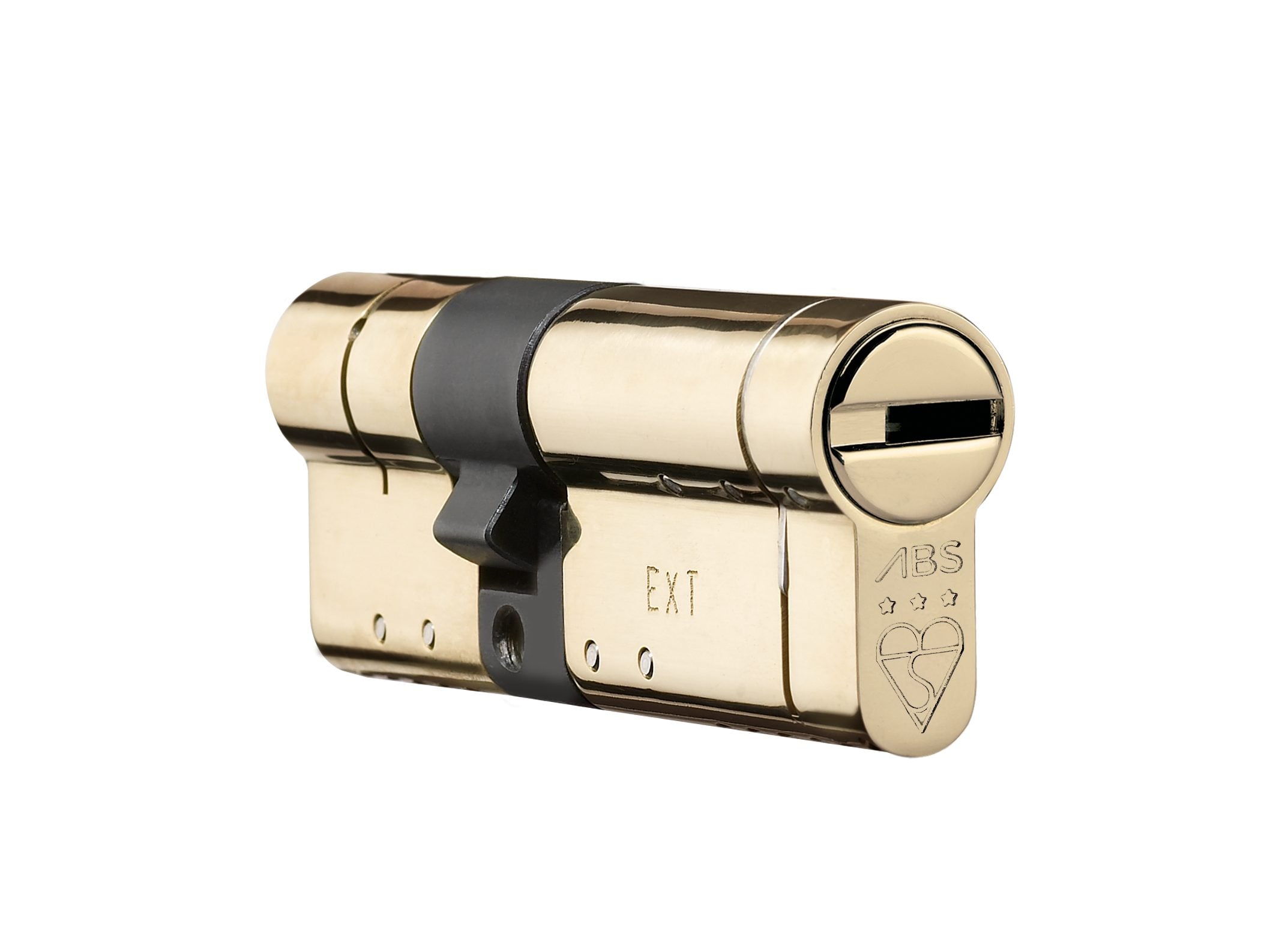
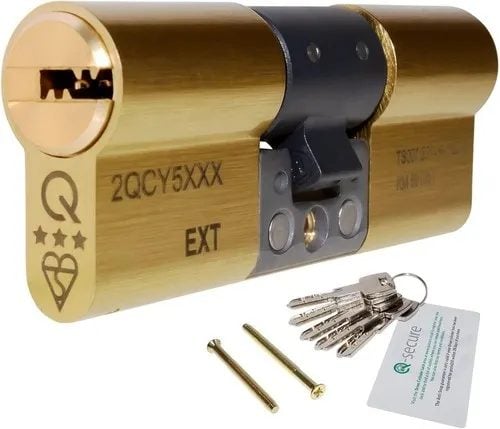
Double euro cylinders are relevant when the existing door uses a euro-profile cylinder and keys are required from both sides. Confirm length, security rating, finish and whether a thumbturn would be more suitable before buying.
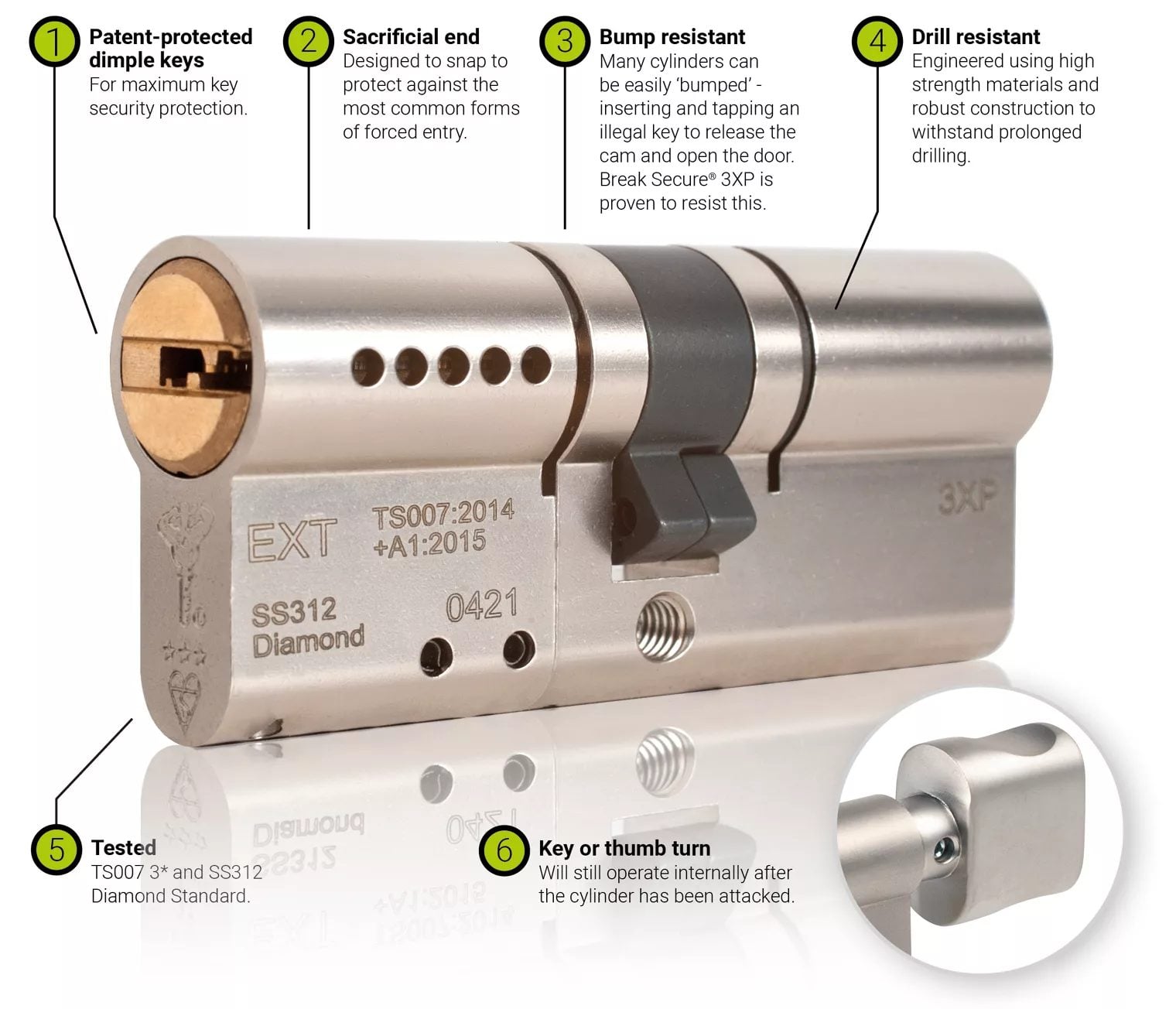
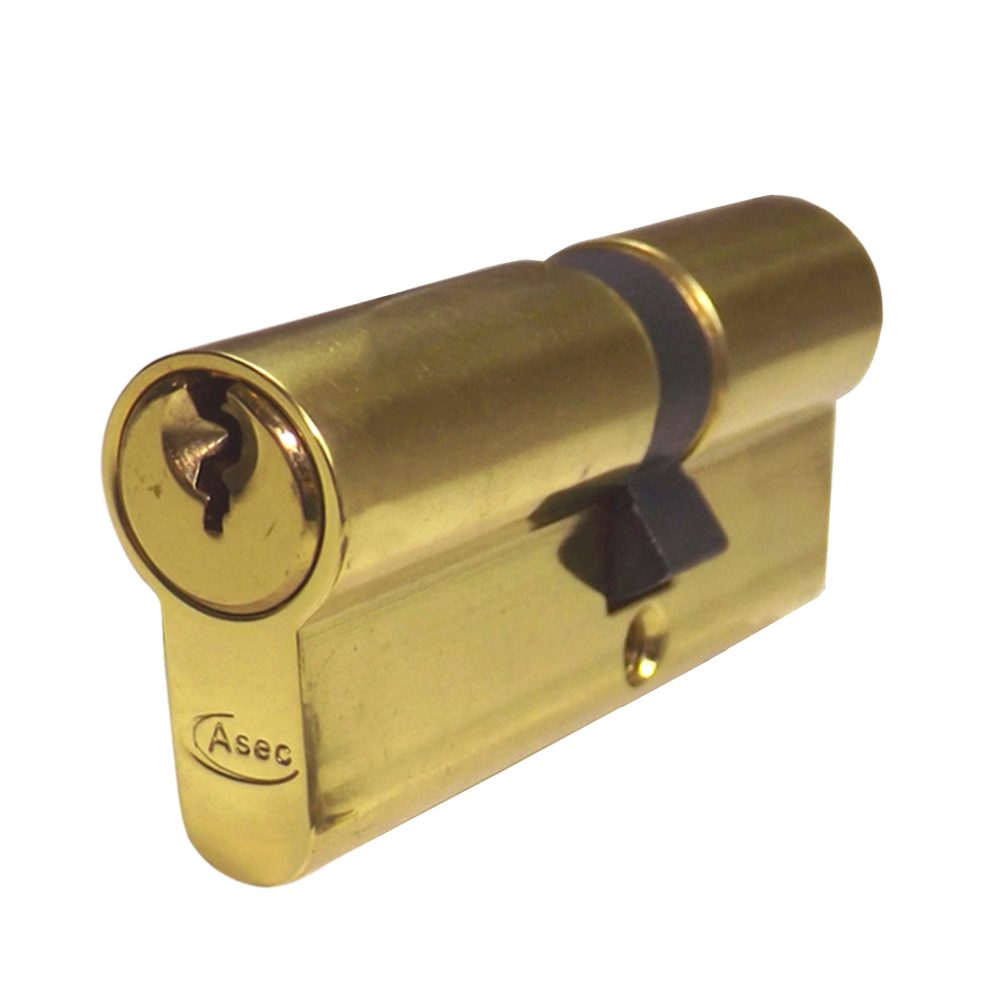
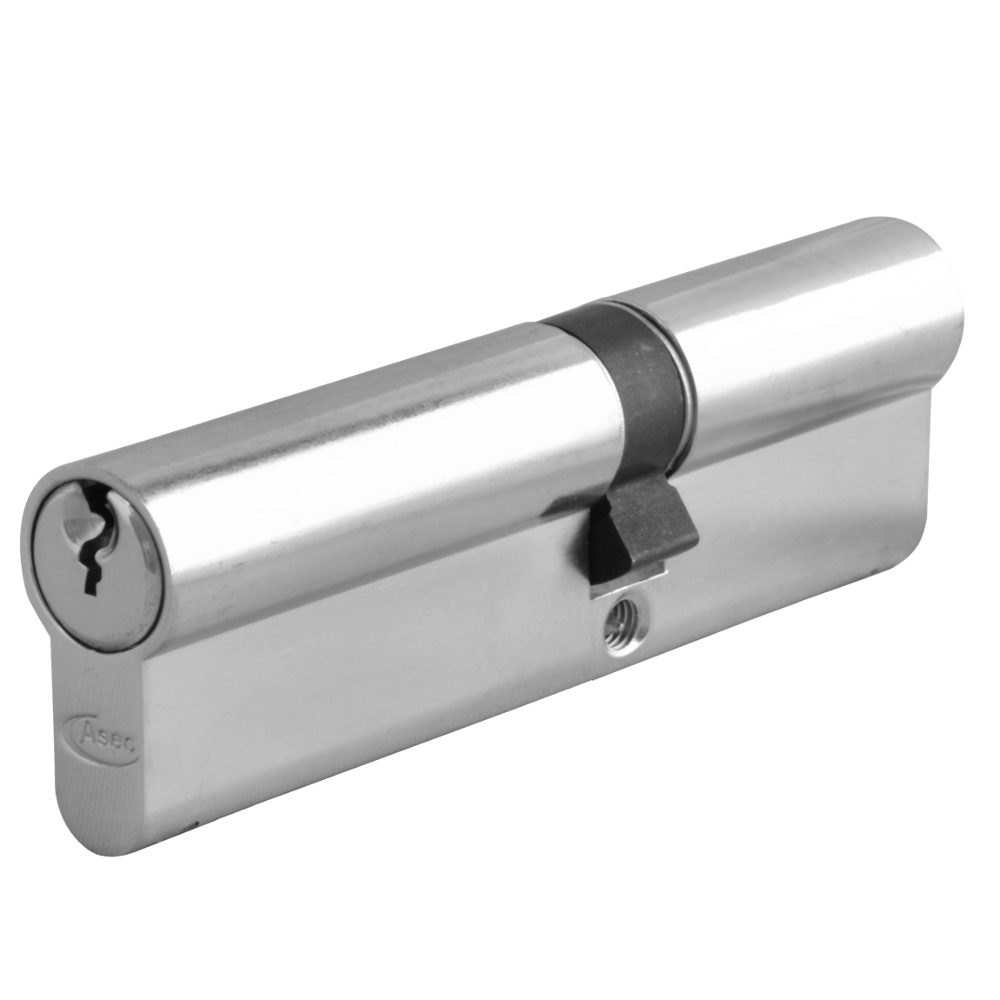
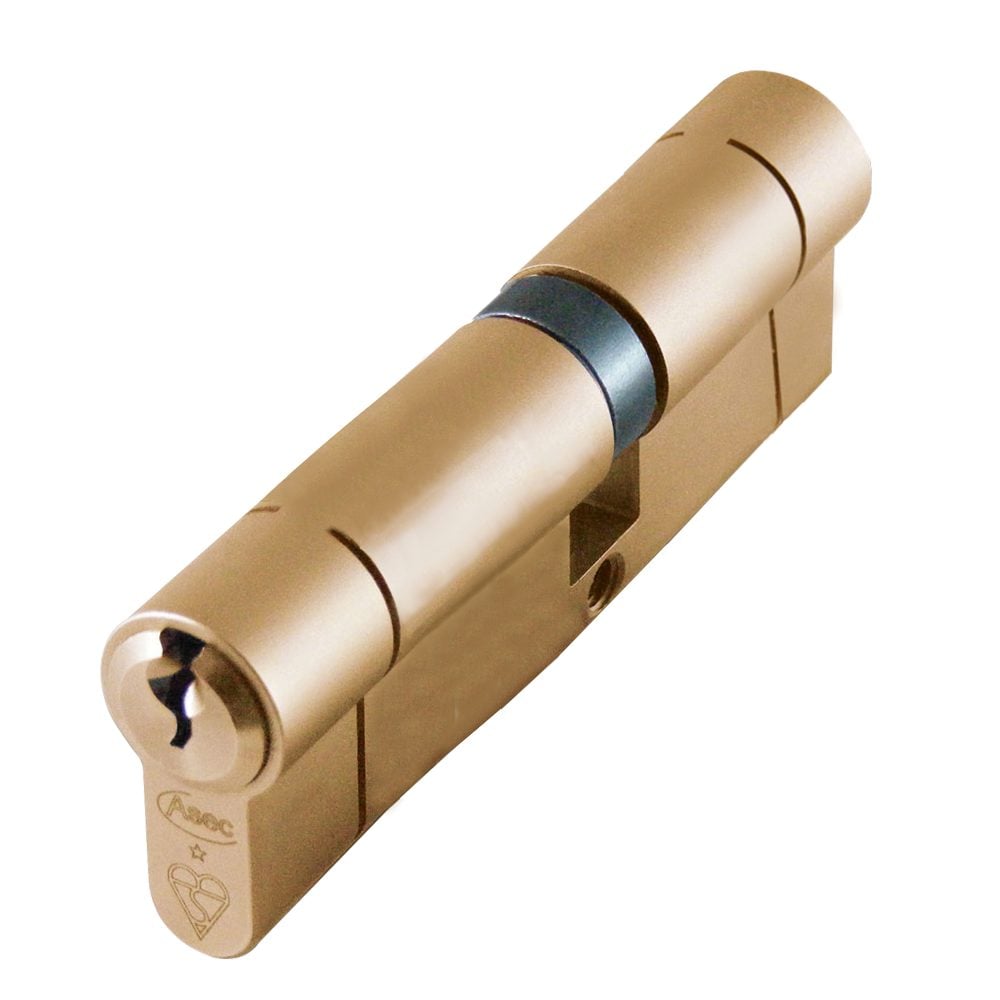
Decision matrix
Replace the part that actually changes the outcome
Start with the trigger, then choose the smallest reliable intervention. Key control, wear, security rating and door alignment are separate decisions.
Lost key or unknown copies
Reset the key path: cylinder, rim cylinder, rekey or restricted-key plan.
Stiff, worn or unreliable lock
Diagnose load first: test open, test closed, inspect keep, hinges and mechanism.
Insurance or security upgrade
Match the standard to the door: BS3621, TS007, 2 star furniture or SS312.
Multipoint door problem
Separate cylinder choice from gearbox, hooks, rollers, handle lift and alignment.
Door hardware cutaway
Planning focus
Exploded lock replacement showing door, cylinder, lock case, keep and keys
Fault to fix
Symptoms that change the answer
Fitting checklist
Before and after the change
- 1. Confirm the door type. Euro cylinder, mortice lock, night latch, rim cylinder, multipoint strip or commercial hardware.
- 2. Measure or identify the part. Record cylinder offsets, lock case size, backset, faceplate and finish where relevant.
- 3. Choose the control model. Separate keys, keyed-alike, thumbturn, restricted keys, master key zones or electronic access on selected doors.
- 4. Test without force. Lock, unlock, latch and release from both sides with the door open and closed.
- 5. Record the result. Keep spare-key counts, standard markings, fitting date and any insurer or landlord evidence.
Replacement tradeoffs
Do not replace more than the fault requires
| Route | Use when | Advantage | Limitation |
|---|---|---|---|
| Cylinder or rim cylinder | Keys are lost, copied or inherited; euro cylinder is worn or exposed. | Pro: Fast control reset; can add anti-snap protection. | Limit: Does not fix a worn case, weak keep or misaligned door. |
| Whole lock case | Latch, deadbolt, follower, gearbox or standard marking is the issue. | Pro: Addresses the failed mechanism, not just the keyway. | Limit: May need keep work, frame repair or careful timber cutting. |
| Door adjustment first | The lock works open but binds, lifts hard or fails when closed. | Pro: Protects cylinders, keys and multipoint gearboxes from load. | Limit: Does not restore key control or upgrade a weak lock. |
| Restricted or master-key reset | Multiple users, staff turnover, contractor access or repeated copied-key problems. | Pro: Separates access by area and reduces uncontrolled duplication. | Limit: Needs records, authorisation rules and disciplined key issue. |
Measure before ordering
Cylinder size is two measurements, not one total
Find the fixing screw
Open the door and use the screw centre as the reference point.
Measure outside
Record screw centre to the external face, including furniture depth.
Measure inside
Record screw centre to the internal face, then choose the right function.
Decide what kind of replacement job it is
A lock change after moving in is mainly about key control. A replacement after a fault is mainly about diagnosis. A replacement after a break-in or policy review is mainly about security standard and fitting quality. Mixing those up can lead to the wrong part being fitted.
- Key-control reset: moved house, tenant change, staff turnover, contractor keys, lost keys, stolen keys or inherited keys with no reliable issue record.
- Reliability repair: key will not turn, key sticks, handle lifts poorly, latch will not retract, lock case is loose, cylinder spins, or the door only locks when pushed or lifted.
- Security upgrade: basic euro cylinder, visible cylinder projection, attempted snapping, weak night latch, non-BS mortice lock, or insurer wording that asks for a recognised standard.
- Access redesign: several doors, shared business access, cleaning or contractor keys, stock-room separation, plant-room control, or a need to reduce future key copying.
Match the replacement to the door type
The visible keyhole is only part of the lock. uPVC, composite, aluminium, timber, steel and glazed commercial doors can all need different lock bodies, cylinders, keeps, handles and exit arrangements.
- UPVC, composite and many aluminium doors usually use a euro cylinder operating a multipoint strip. Review the cylinder, handle protection, gearbox and door alignment together.
- Timber front and back doors often use mortice deadlocks, mortice sashlocks, night latches or rim cylinders. Check the lock faceplate for a Kitemark and standard marking where insurance wording matters.
- Commercial doors may use euro cylinders, oval cylinders, mortice cases, panic or escape hardware, access-control releases, door closers and restricted-key systems.
- Shared entrances, flats and escape routes need careful exit planning. A key-operated lock may be inappropriate where people must leave without finding a key.
Measure euro cylinders before ordering
Euro cylinders are measured from the centre fixing screw to each end, not by the total length alone. Many doors need offset sizes because the internal and external sides are different depths.
- Open the door, locate the cylinder fixing screw on the lock edge, and measure from that screw centre to the outside end of the existing cylinder.
- Measure from the same screw centre to the inside end, then record the size as outside x inside, such as 40 x 50, rather than only recording 90mm total.
- Check how the cylinder sits against the handle or escutcheon. A replacement should sit close to the furniture and should not project unnecessarily on the attack side.
- Choose the right function: double cylinder for key operation both sides, key-and-turn for key outside and thumbturn inside where that suits the door and escape needs.
Use security standards where risk or insurance requires them
Some policies refer to British Standard locks, while euro-cylinder upgrades are often specified through TS007 star ratings or Sold Secure Diamond. The correct standard depends on the lock type and door arrangement, so do not apply one label to every door.
- For timber doors with mortice locks, check for a BSI Kitemark and BS3621 marking on the faceplate where the policy asks for that standard.
- For euro-cylinder doors, look for a correctly sized TS007 3 star cylinder, or a compatible 1 star cylinder with 2 star protective furniture where that is the intended setup.
- Sold Secure Diamond SS312 is another high-security reference for cylinders designed to resist snapping and other common attacks.
- Keep purchase records, fitting details and photos of marked hardware when insurance or landlord evidence may be needed later.
Plan key control for homes, landlords and businesses
Replacement is the cleanest point to decide who should have keys, which doors should share a key, and how future copies will be controlled. This is especially important where many people have held keys over time.
- Homes: review front, back, garage, side gate and outbuilding doors together so the weak entrance is not left unchanged.
- Landlords and agents: replace or rekey after tenant change, key loss or contractor compromise, and keep a clear record of keys issued and returned.
- Businesses: separate public, staff, stock, office, server, cash, plant and landlord areas instead of giving one key more access than necessary.
- Consider restricted keys or a master key system where unauthorised copying, staff turnover or multi-door management is the recurring problem.
Know when fitting help is the safer choice
Buying a replacement cylinder can be straightforward when the door is open, the old part is measurable, and the fault is clearly isolated. A locksmith visit is safer when access, diagnosis, compliance or alignment is uncertain.
- Use professional help if the door is locked shut, the key has snapped, the cylinder has been attacked, the handle is loose, or the property cannot be left unsecured.
- Ask for diagnosis where a new cylinder has not fixed the problem, the handle needs lifting hard, or the lock only works with the door open.
- Use fitting support for fire doors, shared entrances, commercial escape doors, access-control doors and insured premises where documentation matters.
- After fitting, test locking and unlocking from both sides with the door open and closed, then check that keys are labelled and spares are controlled.
FAQs
Lock Replacement FAQs
Short answers for separating product research, fitting, survey and urgent callout work.
Should locks be replaced after moving home?
Usually yes if you cannot account for every working key. Replacement gives you a known keyholder list again, and it is a good time to check side, rear, garage and outbuilding doors rather than only changing the front door.
Is replacing a euro cylinder enough?
It is enough when the cylinder is the only issue and the door, handles, keeps and multipoint mechanism are working correctly. If the handle is stiff, the door has dropped, or the key only turns when the door is open, diagnose the wider door set before assuming the cylinder is the fix.
How do I know what size euro cylinder to buy?
Measure from the centre fixing screw to the outside end and from the same screw to the inside end, then record both measurements. The total length alone is not enough because many doors need an offset cylinder.
Should I choose a double cylinder or a thumbturn cylinder?
A double cylinder uses a key both sides. A thumbturn cylinder uses a key outside and a turn inside, which can make exit easier where it is suitable. Balance convenience, household or staff exit needs, glazing near the lock, and any policy or building requirements.
What lock standard should I look for?
For many timber-door mortice locks, insurance wording may refer to BS3621 and the BSI Kitemark. For euro-cylinder doors, look at TS007 star ratings, 3 star cylinders, 1 star cylinders with 2 star protective handles, or Sold Secure Diamond SS312 where a higher-security cylinder is needed.
When should a business replace locks rather than cut more keys?
Replace or rekey when keys are lost, staff leave with keys, contractor keys are not returned, a master key is compromised, or copying is uncontrolled. Businesses should also review whether restricted keys, zones or a master key system would reduce repeat lock changes.
Can a locksmith replace the lock if the door is locked shut?
Yes. A locksmith can usually gain access, identify whether the cylinder, lock case, gearbox or alignment caused the failure, and then replace or repair the correct part so the door is secure before leaving.
Installation and emergency support
Need lock replacement handled by our team?
Call for locksmith callouts, vehicle keys, safes, grilles, shutters, CCTV, alarms, access control, fire doors, and installation work. Share the postcode, photos, urgency and any product details so the job can be routed cleanly.
Call our team
01296 925335