
Emergency locksmith problems
Key stuck in lock: fault anatomy
A trapped key is usually a symptom, not the whole fault. Work out whether the plug, pins, cylinder tail, cam, door alignment or mechanism is holding the key before adding force.
Before you pull harder
Release pressure, then decide
These steps are for a key that is still whole. If the blade has started to twist or crack, stop and treat it as an extraction job.
Check position
Return the key to the exact entry position. Most cylinders only release the key at the neutral position, not halfway through a turn.
Take pressure off the door
Pull, push, or lift the handle gently while keeping the key straight. A loaded latch or multipoint gearbox can trap the cylinder cam.
Use a steady hand
Hold the bow of the key close to the lock and pull straight out. Avoid rocking it side to side, especially on thin or old keys.
Stop if it binds
If the key feels springy, gritty, or locked solid, further movement can snap it and make extraction harder.
Causes
Find the part holding the key
A stuck key is not always a cylinder fault. The useful split is whether the plug grips the blade, the cam is trapped, or the door is loading the mechanism.
Quick read
Works open but not closed: alignment. Gritty with the door open: cylinder or key. Key turns but will not withdraw: plug position or cam load.
Worn key
Rounded cuts, a bent blade, or a poor duplicate can lift pins or wafers unevenly, leaving the key trapped until the stack settles.
Dry or dirty cylinder
Dust, old graphite, metal swarf and corrosion can stop pins moving freely. Outdoor doors and rarely used locks are common examples.
Cylinder wear
A tired euro cylinder, oval cylinder or nightlatch cylinder may grip the blade because internal springs, pins or plugs no longer return cleanly.
Door alignment
A dropped uPVC, composite or timber door can load the latch, bolt or multipoint strip. The key feels stuck, but the door pressure is the real fault.
Wrong key or wrong cut
A similar-looking key may enter partway and then jam. Recut keys from a worn copy can also be too high, too low or slightly twisted.
Temperature and moisture
Cold weather, swelling timber, condensation and dirt can make a marginal lock bind just enough to trap the key.
Cylinder vs alignment
Open-door test
Once the key is safely removed, this simple comparison helps separate a failing cylinder from a door that is pulling the lock out of line.
Sticks with the door open
The fault is likely in the key, plug, pins or internal lock case. Try a known-good key without force. If more than one key catches, inspect the cylinder.
Sticks only when closed
Door load is likely. Hinges, keeps, handles, latch position or multipoint alignment may need adjustment before parts are replaced.
What forcing damages
Extra leverage is the risky part
Pliers add leverage at the weakest point of the blade and often turn a stuck-key job into a broken-key extraction.
Screwdrivers, picks, paperclips and drill bits can push debris deeper or score the keyway, reducing the chance of a clean repair.
Repeated locking and unlocking can chew the key cuts, bend the cam, or overload a multipoint gearbox that is already under pressure.
Oil sprays can attract dust and form sticky residue in some cylinders. Use a lock-specific dry lubricant only when the key is still moving freely enough to avoid forcing.
Extraction vs replacement
Choose the fix by the symptom
Removing the key is only the first step. The lock should still be tested so the same pressure, wear or misalignment does not trap the next key.
Extraction only
Typical signal
The key releases after pressure is removed, the cylinder turns smoothly with a known-good key, and the door locks without lifting, pulling or slamming.
Practical outcome
Pros: lowest disruption and keeps existing hardware. Cons: unsafe if the cylinder remains gritty, the key is worn, or the door still loads the lock. Clean the keyway, discard worn copies, and monitor for repeat sticking.
Cylinder replacement
Typical signal
The key sticks in the cylinder even with the door open, the plug feels gritty, the key only withdraws at one exact angle, or another key behaves the same way.
Practical outcome
Pros: resets a worn keyway and can improve anti-snap protection. Cons: does not fix a loaded latch, tight keep or failed gearbox. Replace with the correct size and security rating.
Door or lock adjustment
Typical signal
The key works with the door open but sticks when the door is closed, the handle needs lifting hard, or the door catches the frame.
Practical outcome
Pros: removes the pressure that traps the key. Cons: does not restore key control after lost keys or repair a worn cylinder. Adjust hinges, keeps, latch position or multipoint alignment before condemning the cylinder.
Prevention
Stop repeat sticking
Most repeat faults come from continuing to use a worn key, ignoring door pressure, or replacing a cylinder without correcting the alignment that overloaded it.
- Replace bent, cracked, thin or heavily polished keys before they fail.
- Avoid cutting new working keys from a worn duplicate when a better original or code is available.
- Keep the door adjusted so bolts enter the keeps without needing shoulder pressure or excessive handle lift.
- Fit correctly sized cylinders; proud euro cylinders are easier to attack and can sit under extra handle stress.
- Keep outdoor cylinders clean and dry, and use a lock-specific dry lubricant sparingly when operation starts to feel rough.
- Treat repeat sticking as a fault, not a quirk. A lock that only works with a wiggle is already giving warning.
Key Cutting
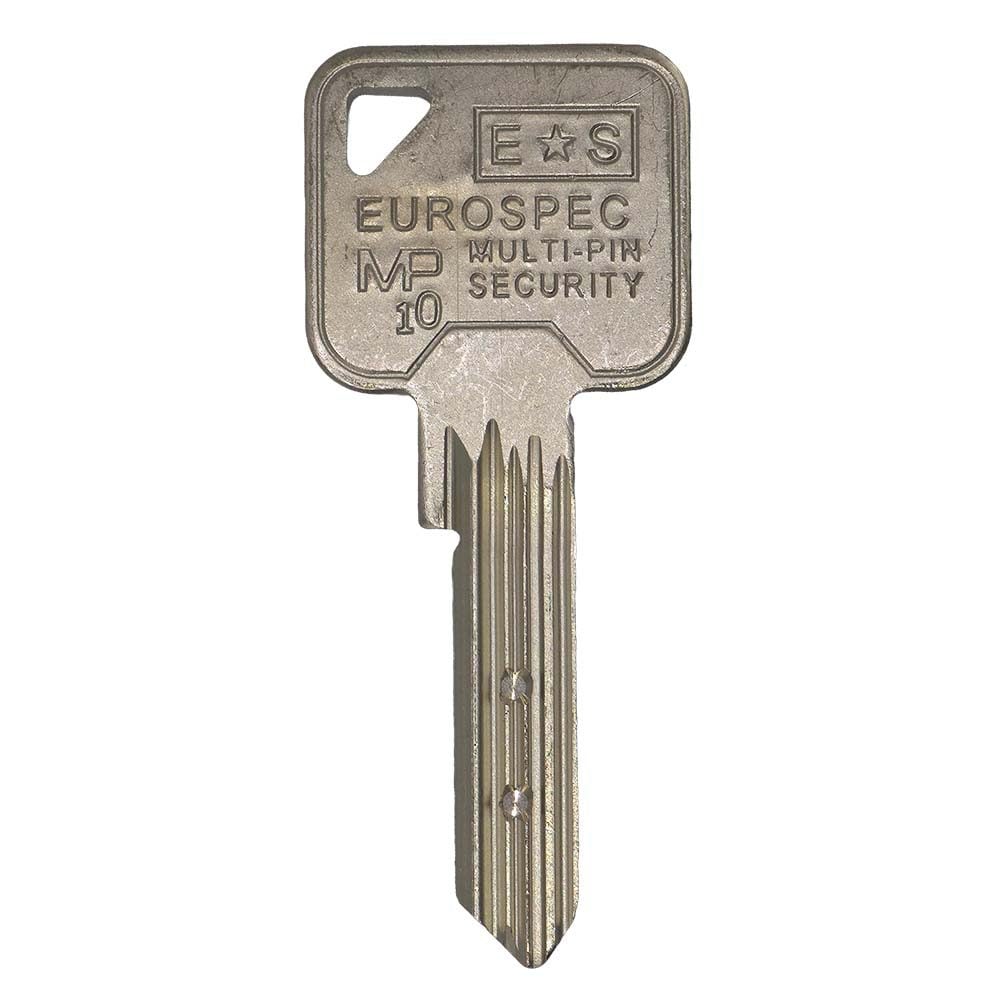
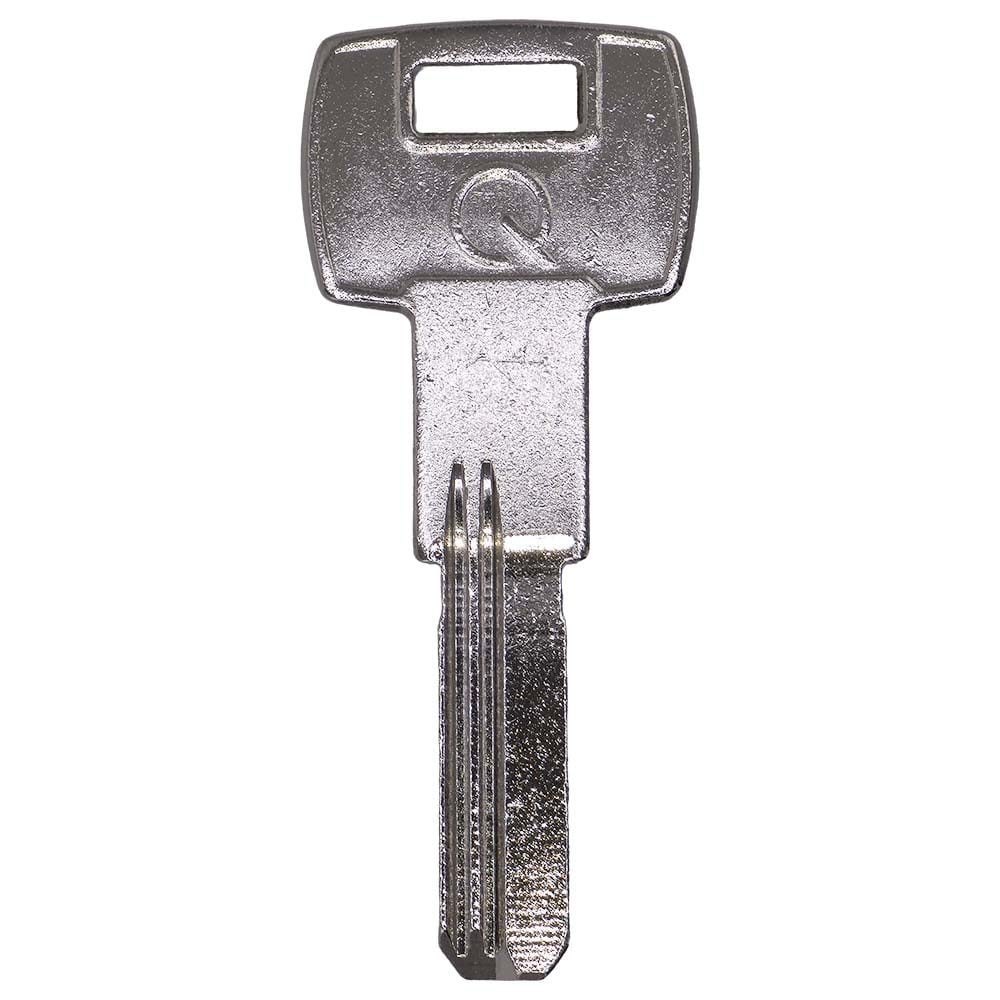
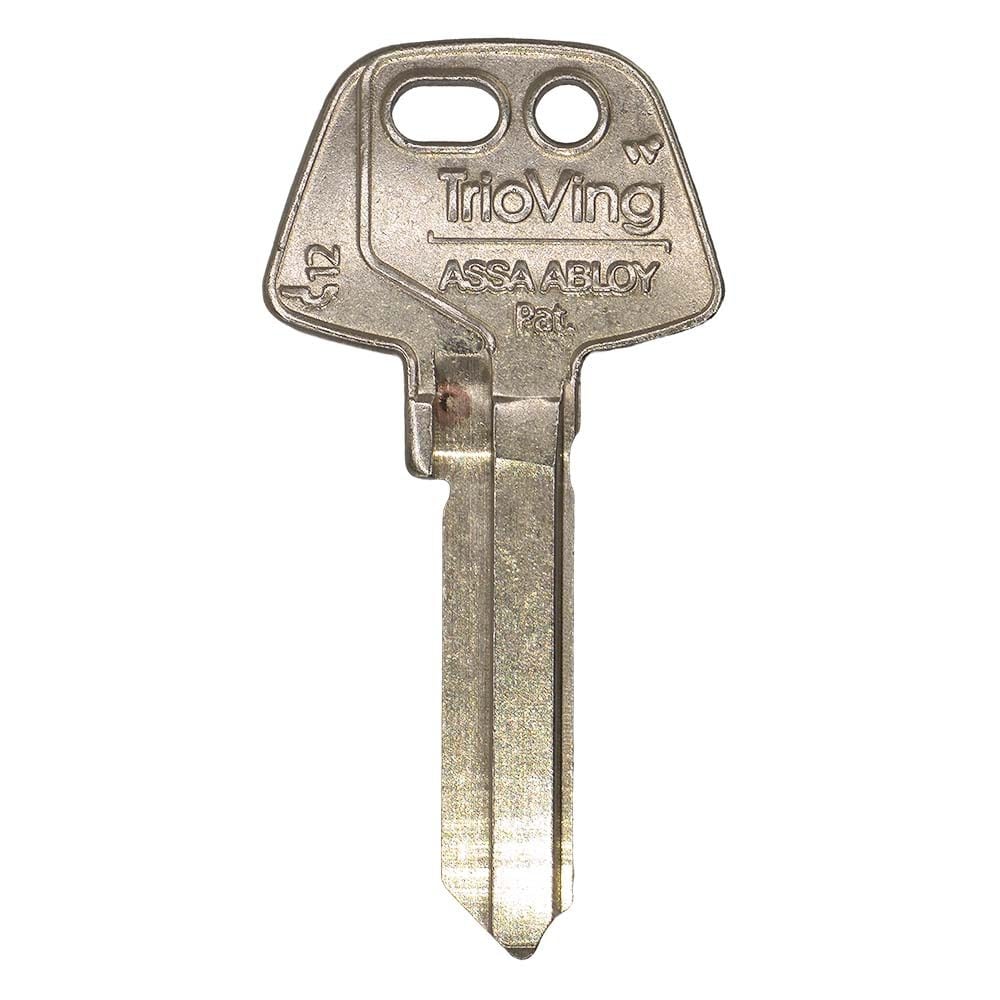
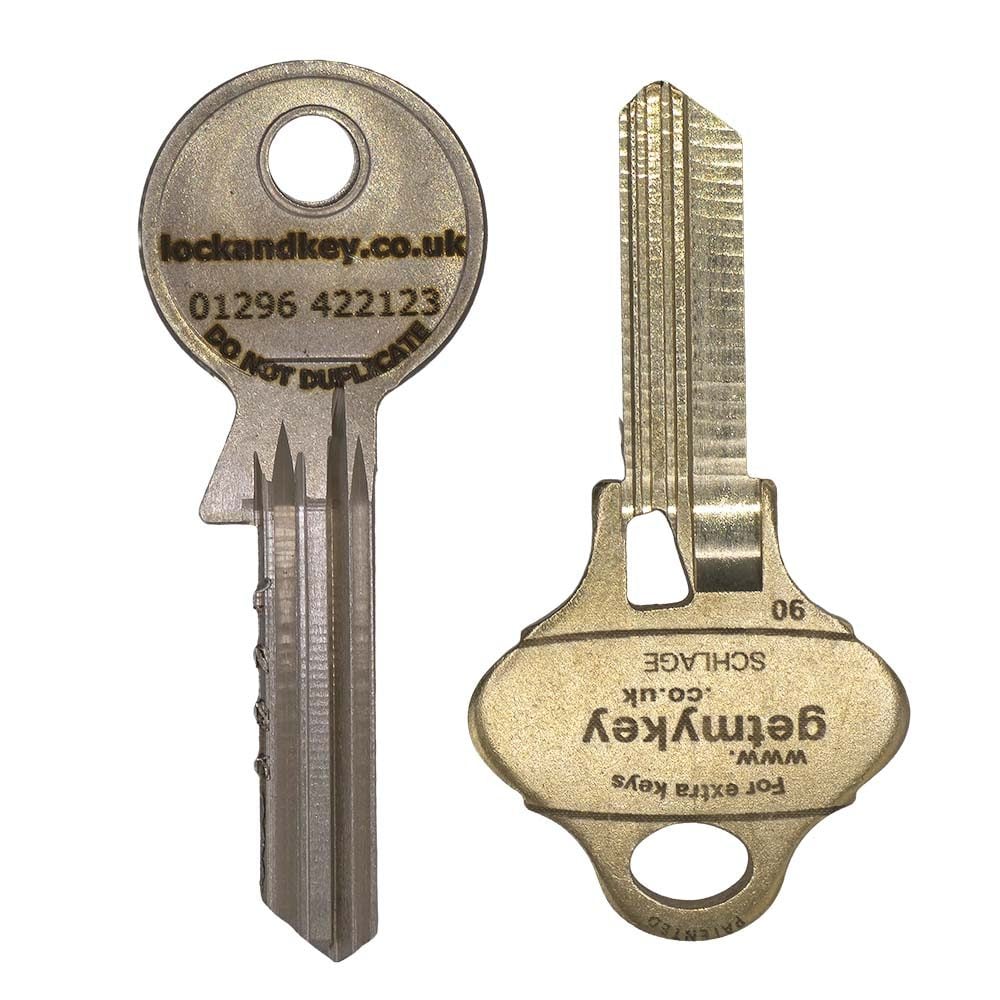
A fresh key can prevent repeat sticking when the original is bent, worn or copied too many times. Replace the lock instead if the cylinder grips several keys or remains rough after inspection.
FAQs
Key stuck in lock FAQs
Short answers for the common decisions: safe release, lubrication, alignment, extraction and replacement.
Can I use lubricant when a key is stuck in the lock?
Only if the key still moves freely and the lock is not under obvious door pressure. A small amount of lock-specific dry lubricant may help a dry cylinder, but spraying oil into a jammed keyway can trap dirt and make the fault worse.
Why does the key come out when the door is open but not when it is closed?
That usually points to door alignment, latch pressure or multipoint lock strain rather than a simple key fault. The cylinder cam is being loaded by the door hardware, so adjustment should be checked before replacing parts.
Does a stuck key mean the cylinder must be replaced?
Not always. A worn key, dirt, light corrosion or door pressure may be corrected without replacement. Replacement becomes more likely when the same cylinder grips more than one key, feels gritty, or sticks even with the door open.
What if the key snaps while I am trying to remove it?
Stop immediately. Do not push another key into the lock behind the broken piece. The remaining blade may still be extractable if it has not been driven deeper into the plug.
Should I cut a new key after the stuck key is removed?
Often, yes, if the key is worn, bent, cracked or a poor duplicate. A fresh key should be cut from the best available original or from reliable key information, not from the damaged key if that would copy the fault.