


Installation and emergency support
For grilles, shutters and perimeter security, call the team with the postcode, photos, urgency and any product details ready.
Physical security guide hub
Grilles, Shutters and Perimeter Security
Which barrier buys useful delay without breaking daily use or escape? Perimeter planning compares grilles, shutters, steel doors, gates, door entry and outdoor locks against attack path, visibility, fixing substrate, authorised access and maintenance.
Key point
Start with attack paths, not products
The weak route is often a rear door, side alley, shared gate, low roof, poorly lit yard, exposed hinge, unprotected glazing or external store. Follow the likely route in and close the easiest bypass.
Key point
Balance delay with daily movement
Fixed grilles suit openings that rarely need to clear. Retractable grilles, shutters, steel doors, powered gates and access control must match trading, deliveries, residents, staff, contractors and emergency routines.
Key point
Treat the fixing as part of the rating
A tested grille, shutter, gate or doorset can be undermined by weak masonry, poor guides, exposed fixings, tired hinges, light hasps, uncontrolled keys or an awkward release that users bypass.
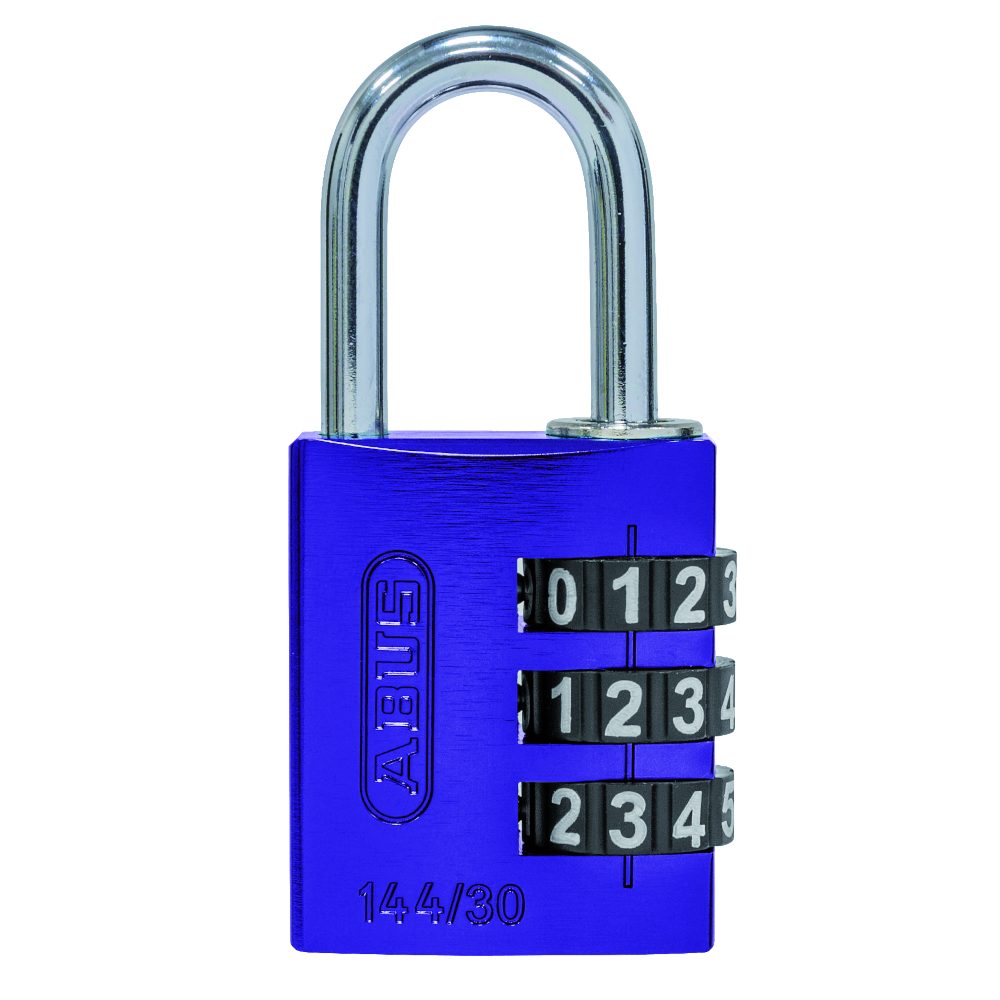
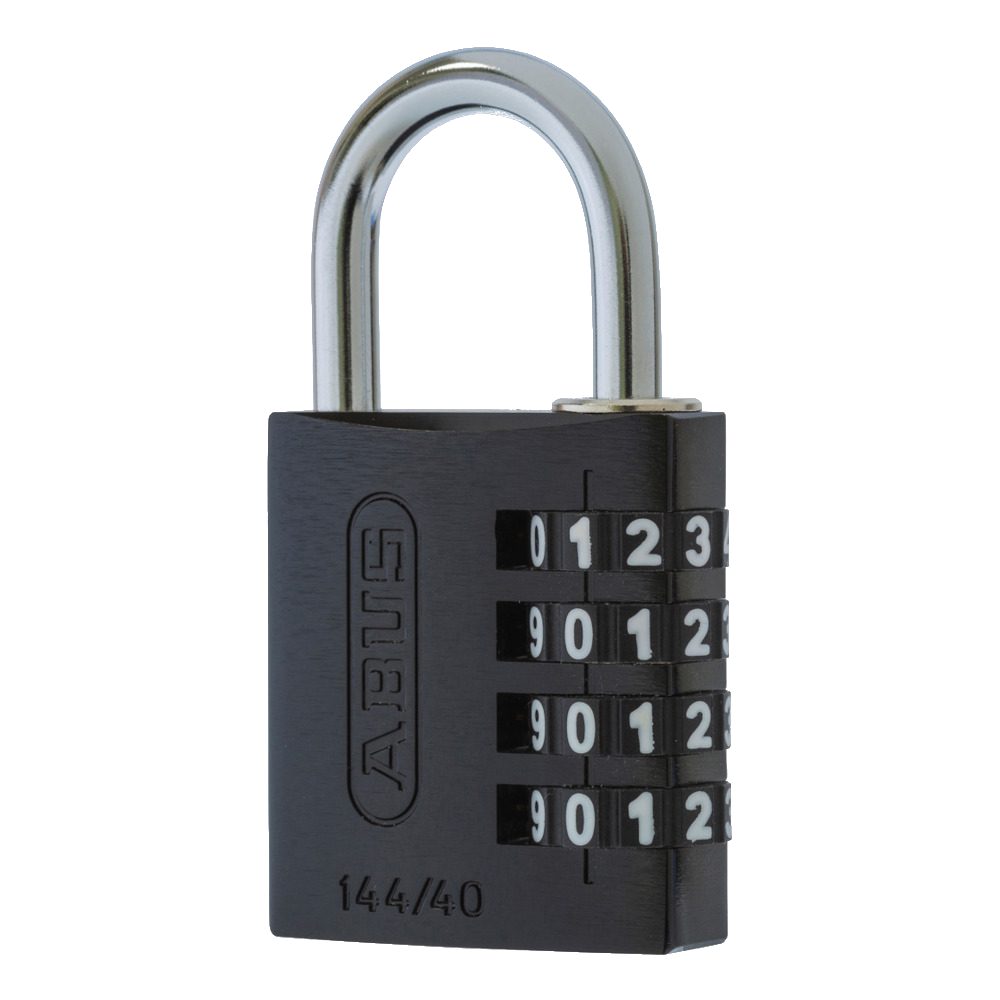
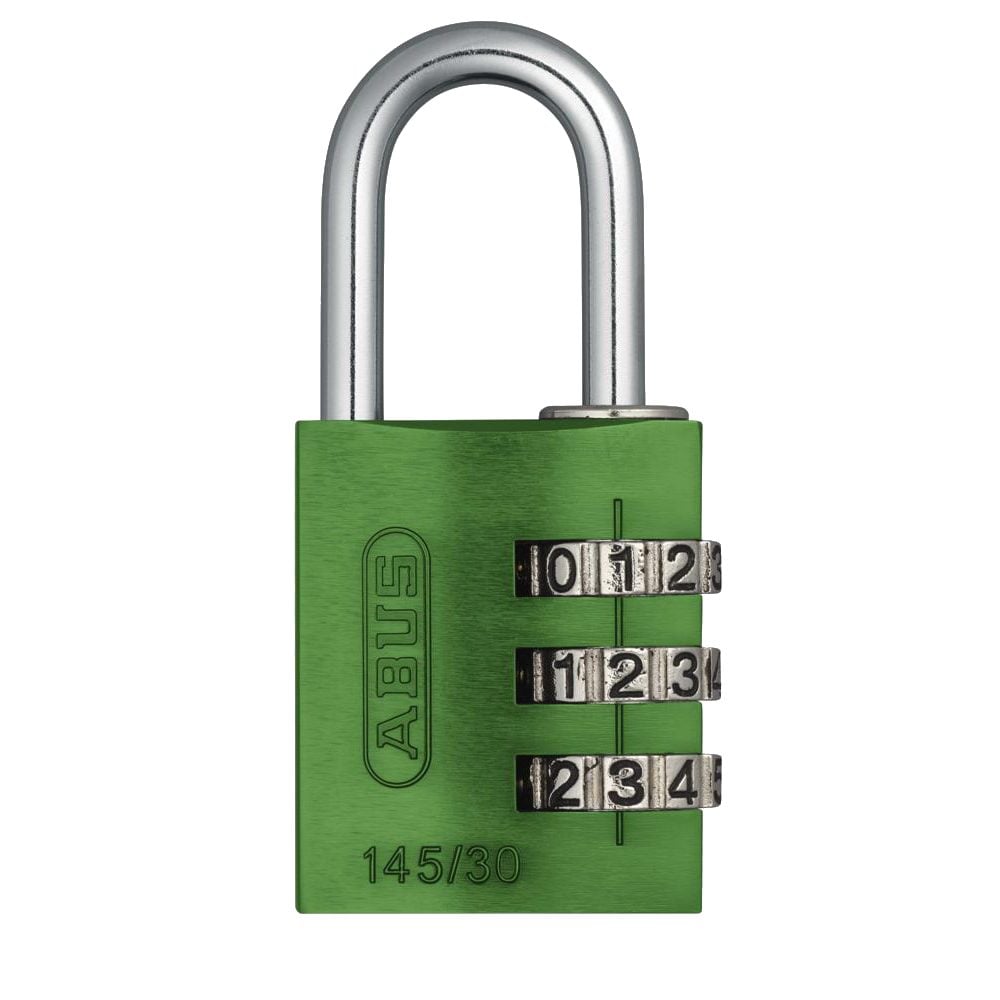
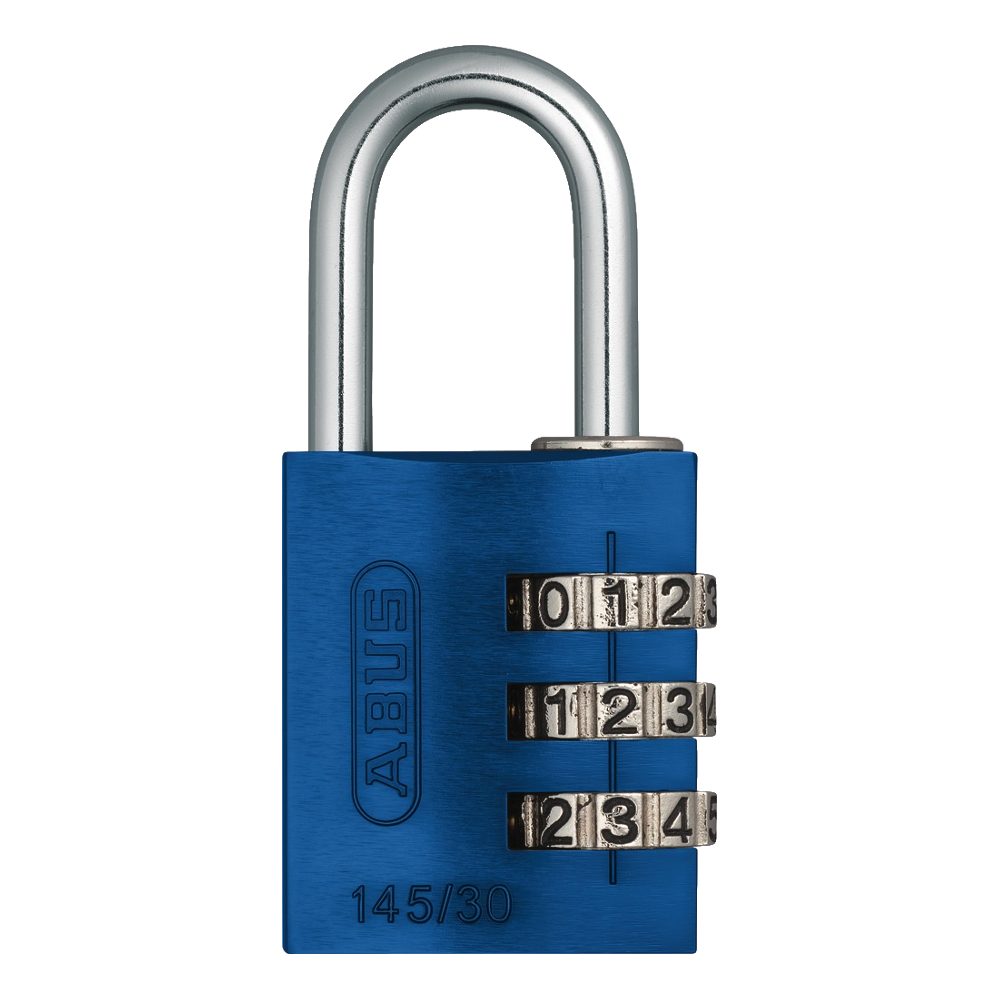
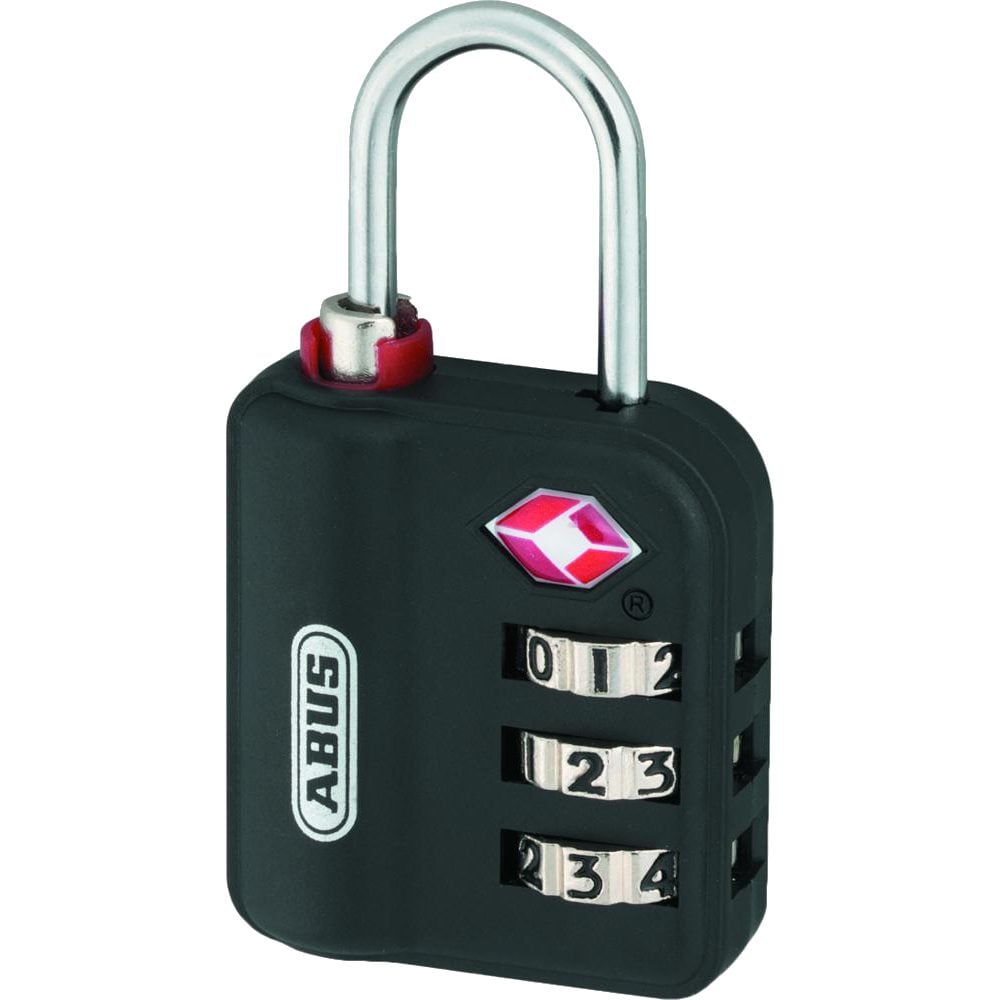
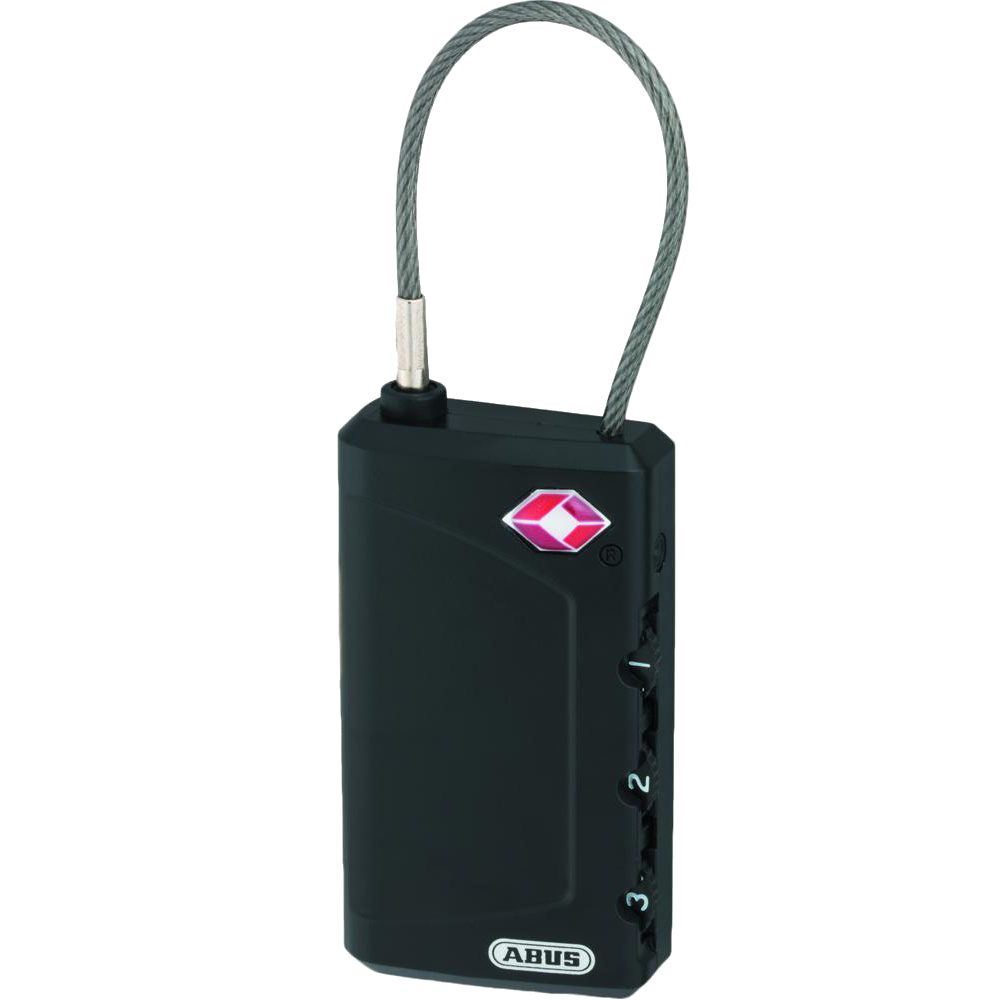
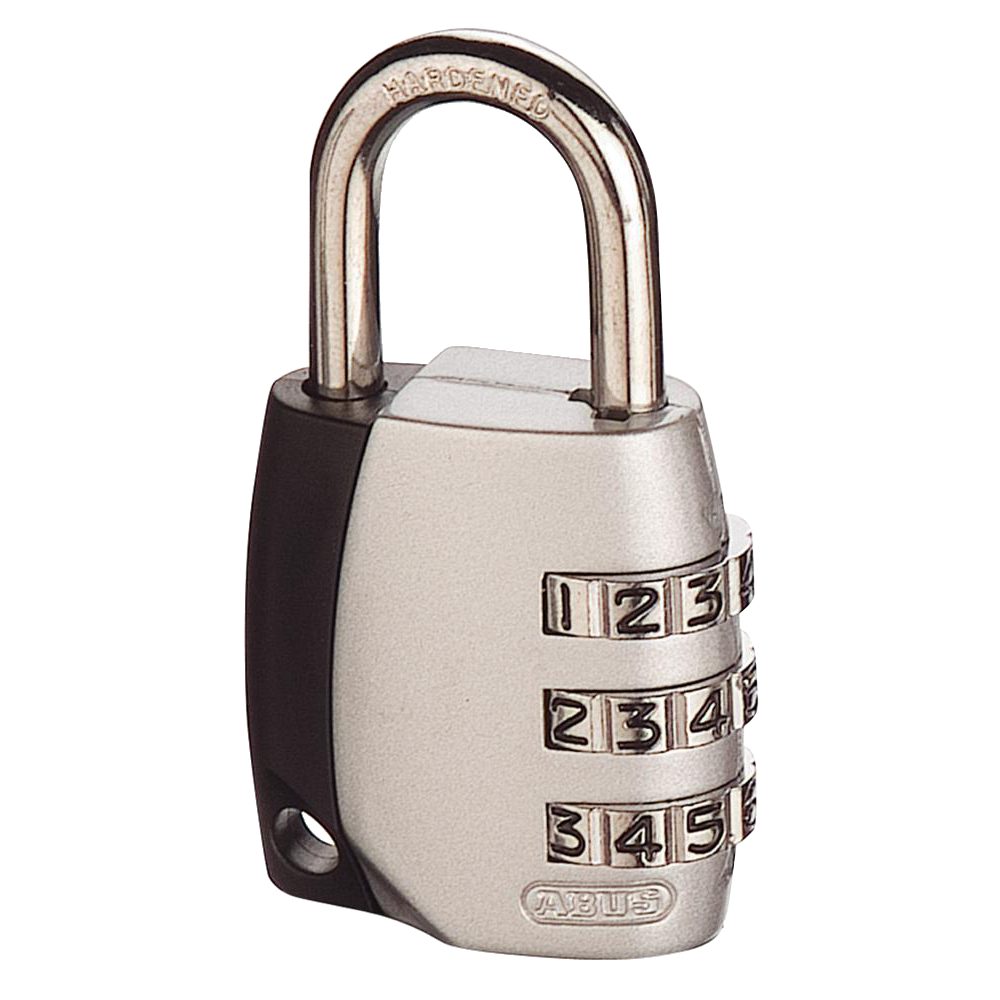
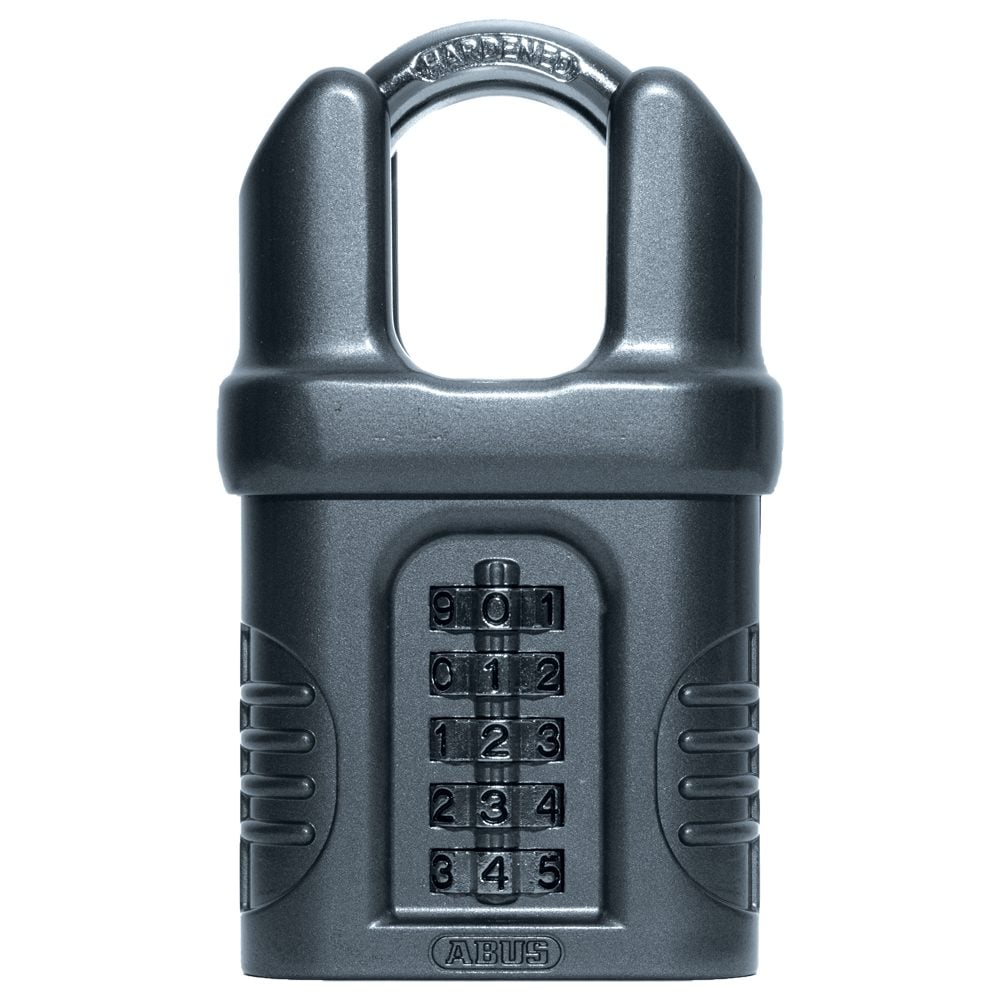
Combination
Combination padlocks can suit shared low-risk stores, temporary cages and occasional access points where code control is realistic. Higher-risk external points may need keyed, restricted, weatherproof or attack-resistant hardware instead.
Map the weak point before choosing the barrier
Good perimeter work starts with movement: public approach, hidden side route, service door, shopfront glass, store, escape path. Fit delay where it buys time, then check visibility, release, power loss and maintenance.
Question 1
Where is the quietest approach?
Question 2
What must still open fast?
Question 3
Who controls keys, codes and fobs?
Planning focus
Use the cards in this section to compare the practical decision points.
Route selection
Pick the guide by control point
Start with the opening that fails first. Each route has a different limitation: airflow, full clearance, emergency release, shared credentials or weather exposure.
Low glass / counters
Security grilles
Best when visibility or airflow matters. Poor fit if the reveal, frame or escape release is weak.
Shopfront / bay
Roller shutters
Useful where the opening must clear. Decide manual or electric around size, use frequency and override.
Entrance / release
Steel doors and door entry
Use when the leaf, frame, hinge side, lock and access routine need to work as one assembly.
Yard / store
Gates, compounds and stores
Check posts, hasps, padlock exposure, weather, shared access and closing discipline before upgrading.
Control checks
What can make the right product fail?
Weak fixing
Rated hardware loses value if the wall, post, frame, guide or hinge side gives way first.
Bad release
Keyed escape, blocked exits and awkward overrides are practical safety problems, not details.
Poor routine
Open shutters, shared codes, seized padlocks and missed lock-up checks defeat stronger hardware.
Security grilles for windows, counters and internal openings
Grilles are useful where visibility or airflow should remain but an opening needs physical delay. They suit low windows, glazed doors, receptions, stock rooms, counters, corridors and rear elevations when the barrier fixes into sound structure and releases safely from inside where escape is relevant.
- Fixed grille: continuous protection for windows, counters, plant openings and rarely used apertures.
- Retractable grille: a clearer opening for trading, residents, staff routes or display windows.
- Fire and escape check: openable areas, release method, key dependency and whether the window is part of an escape strategy.
- Specification check: reveal depth, substrate, frame strength, internal versus external fitting, locking point and corrosion exposure.
Roller shutters for shopfronts, doors and service areas
Roller shutters suit openings that need to clear during normal and close down after hours: shopfronts, kiosks, loading bays, counters, garages, industrial units and rear service doors. They need more operational planning than a static grille because guides, barrels, motors, locks, controls and emergency override all affect reliability.
- Format choice: solid for privacy and impact resistance, punched or perforated where closed-front visibility matters.
- Operation choice: manual for smaller or occasional openings, electric for larger, heavier or frequently used shutters.
- Safety choice: controls, hold-to-run or automated operation, obstruction risk, emergency release and maintenance access.
- Neighbouring layer: alarm contacts, CCTV coverage, lighting and lock-up checks where the shutter protects high-value contents.
Steel doors, door entry and controlled access
Steel security doors and door entry systems strengthen entrances where the problem is not just the lock but the whole doorway: leaf, frame, hinges, threshold, closer, glazing, release hardware and user control. They are common on rear doors, plant rooms, stores, schools, workshops, communal entrances and service yards.
- Door set: leaf, frame, fixing, hinge protection, threshold, closer and any vision panel should be specified as one assembly.
- Locking: cylinder, escutcheon, handle, panic or escape hardware and key control need to match the door rating and use.
- Control: door entry, fobs, keypad, intercom and release permissions should reflect who is allowed through and when.
- Compliance check: fire doors, escape routes and accessible entrances need competent review before hardware is changed.
Gates, compounds and external stores
External security often fails at the points that feel secondary: gates, cages, bin stores, fuel stores, bike stores, tool stores, yard compounds, containers and shared service plans. These areas need hardware that resists weather, cutting, leverage, casual tampering and repeated shared use.
- Gate check: alignment, hinge condition, post strength, latch design, hasp coverage and direct attack on the locking point.
- Store check: padlocks, shackle exposure, locking bars, ground anchors, lighting, signage and the closing routine.
- Access check: shared codes and copied keys can become the weakness if changes are not recorded and revoked.
- Vehicle check: vans, tools, fleet vehicles and parking compounds should be treated as part of the same exposure.
Build a joined-up security plan
The most effective perimeter upgrades combine visible barriers, reliable locks, controlled access, detection and maintenance. A survey should identify which openings need grilles or shutters, which entrances need stronger doors or door entry, and which gates or stores need better outdoor hardware.
- Capture: public frontage, rear doors, side gates, service plans, low windows, roof access, outbuildings, yards and shared entrances.
- Record: opening sizes, daily access needs, keyholders, delivery routines, escape requirements, previous damage and insurer notes.
- Phase: exposed perimeter first, high-value storage next, then key control, lock standardisation and maintenance routines.
- Cross-check padlocks, door locks, master key systems, alarms, CCTV and access control so hardware choices match the wider site plan.
Standards, insurance and evidence of performance
Higher-risk openings may need products with independently tested physical resistance rather than general claims. LPS 1175 classifies intruder-resistant doors, shutters, grilles, barriers and enclosures by tool category, number of attackers and working time. Insurance surveys may also specify ratings, lock standards, key control, alarm confirmation or maintenance evidence.
- Ask whether the required outcome is deterrence, delay, tested resistance, access control, auditability or a combination.
- Keep product certificates, installation records, maintenance logs and photos where insurance, landlord or risk-survey evidence matters.
- Do not assume a rated product remains equivalent if fitted to weak fabric, modified hardware or an unsuitable frame.
- Review the plan after a break-in attempt, stock change, tenant change, layout change, insurer survey or repeated lock-up failure.
FAQs
Grilles, Shutters and Perimeter Security FAQs
Short answers for separating product research, fitting, survey and urgent callout work.
Should I start with grilles, shutters or a steel door?
Start with the opening, attack path and daily movement. Fixed or retractable grilles suit exposed openings where visibility or airflow matters, roller shutters suit openings that need to clear during the day, and steel doors suit entrances where the frame, leaf and lock all need upgrading.
What information is useful before a perimeter survey?
Prepare photos, rough measurements, opening use, keyholder routines, delivery access, emergency escape needs, previous damage, insurer notes and closing procedures. For gates and stores, include the locking point, hasp, shackle exposure, code-sharing routine and any existing padlocks or locking bars.
Do external stores and compounds need more than a padlock?
Often yes. The gate or store needs alignment, post strength, covered hasps, shackle protection, lighting, closing discipline and realistic access control. The gates, compounds and external stores guide goes deeper into outdoor locking points.
When should CCTV, alarms or access control be included?
Include detection and access systems when the site needs evidence, alerts, timed permissions, visitor release, staff audit trails or confirmation that a barrier was closed. Physical delay buys time; CCTV, alarms and access control help identify, manage and respond to the event.
Can security grilles or shutters affect fire escape?
Yes. Security measures should not block escape routes, trap people behind keyed releases or prevent emergency access. Occupied premises need particular care around openable grilles, shutters kept open while occupied, easy internal release and fire-door compatibility.
What does a tested security rating actually prove?
A rating such as LPS 1175 describes tested resistance under defined attack conditions, tool categories and working times. It does not automatically prove the surrounding wall, frame, fixings, locks or installation are suitable, so rated products still need correct specification and fitting.
Manual or electric shutters: which is safer?
Neither is automatically safer. Manual shutters can be simpler on smaller openings, while electric shutters reduce strain on larger or frequent-use openings. Electric systems add control position, safety devices, emergency override, power-failure and maintenance considerations.
Can perimeter planning include vans or yard parking?
Yes. If vehicles, tools or fleet stock are stored behind gates, shutters or compounds, plan the perimeter and vehicle layers together.
Installation and emergency support
Need grilles, shutters and perimeter security handled by our team?
Call for locksmith callouts, vehicle keys, safes, grilles, shutters, CCTV, alarms, access control, fire doors, and installation work. Share the postcode, photos, urgency and any product details so the job can be routed cleanly.
Call our team
01296 925335