


Installation and emergency support
For uPVC door and window lock repairs, call the team with the postcode, photos, urgency and any product details ready.
uPVC lock repair guide
uPVC Door and Window Lock Repairs | Lock & Key
uPVC lock repair is usually a fault-finding job across the whole door or window set. The failed part may be the euro cylinder, centre gearbox, multipoint strip, handle, spindle, keeps, hinges, gasket compression, window espagnolette, or friction stays rather than the frame itself.
Key point
Start with movement, not the key
A stiff key often feels like a cylinder fault, but the cylinder may only be fighting a loaded mechanism. If the handle must be forced up, the real cause is often alignment, keeps, hinges, or a tired gearbox.
Key point
The open-door test matters
When a door locks smoothly while open but binds when closed, the locking points are usually meeting the frame badly. That points towards adjustment before ordering a cylinder or full strip.
Key point
Compatible parts depend on measurements
Multipoint locks and window mechanisms are not universal. Backset, PZ centres, faceplate width, spindle size, locking-point positions, handed parts, and cylinder split sizes all affect whether a replacement will fit.
Key & Turn Euro
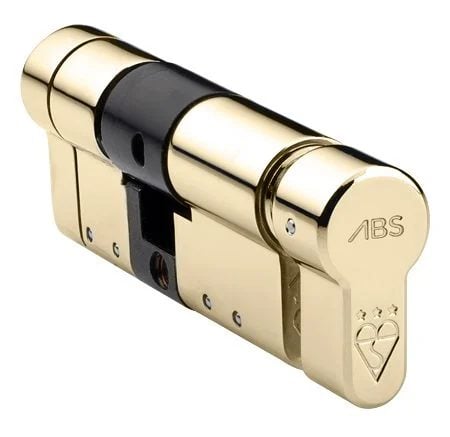
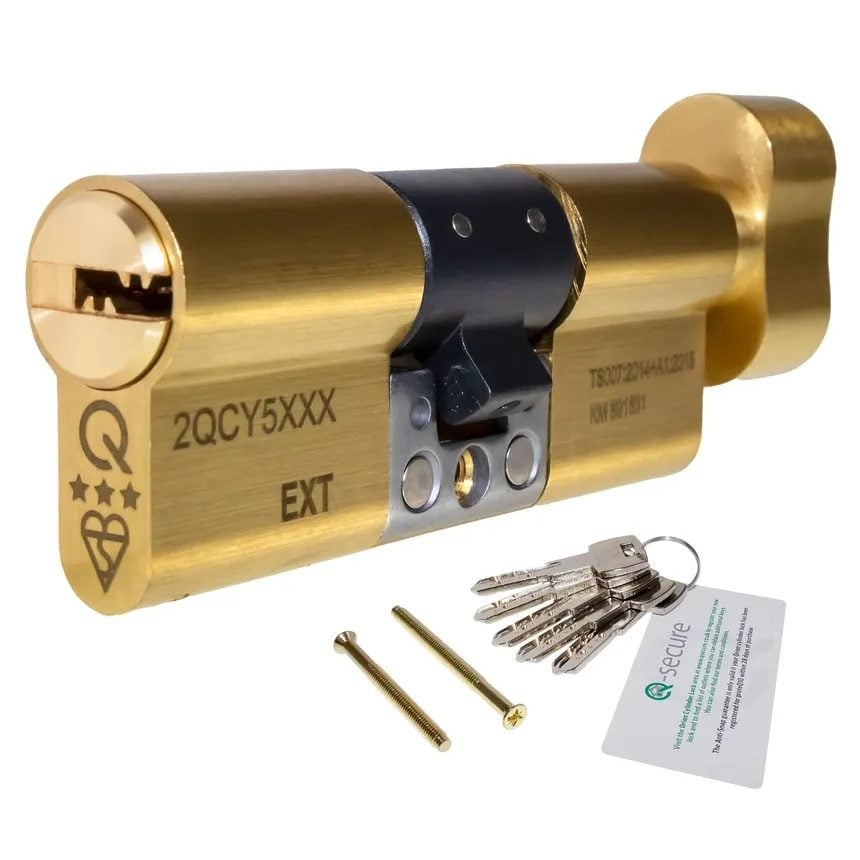
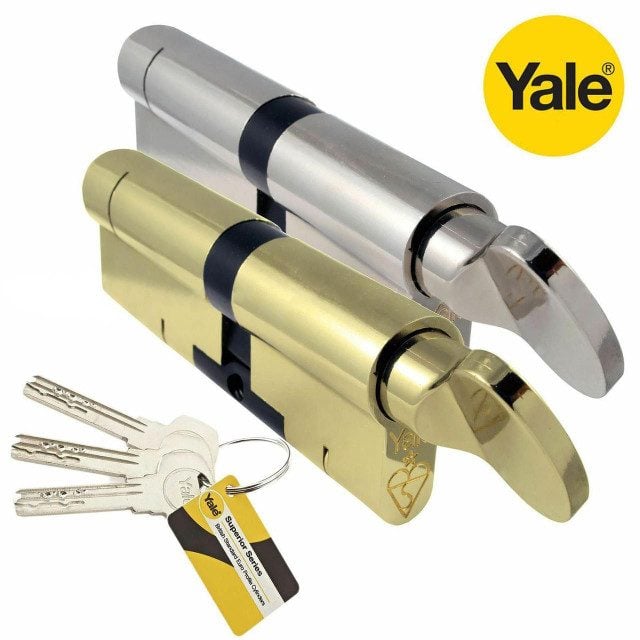
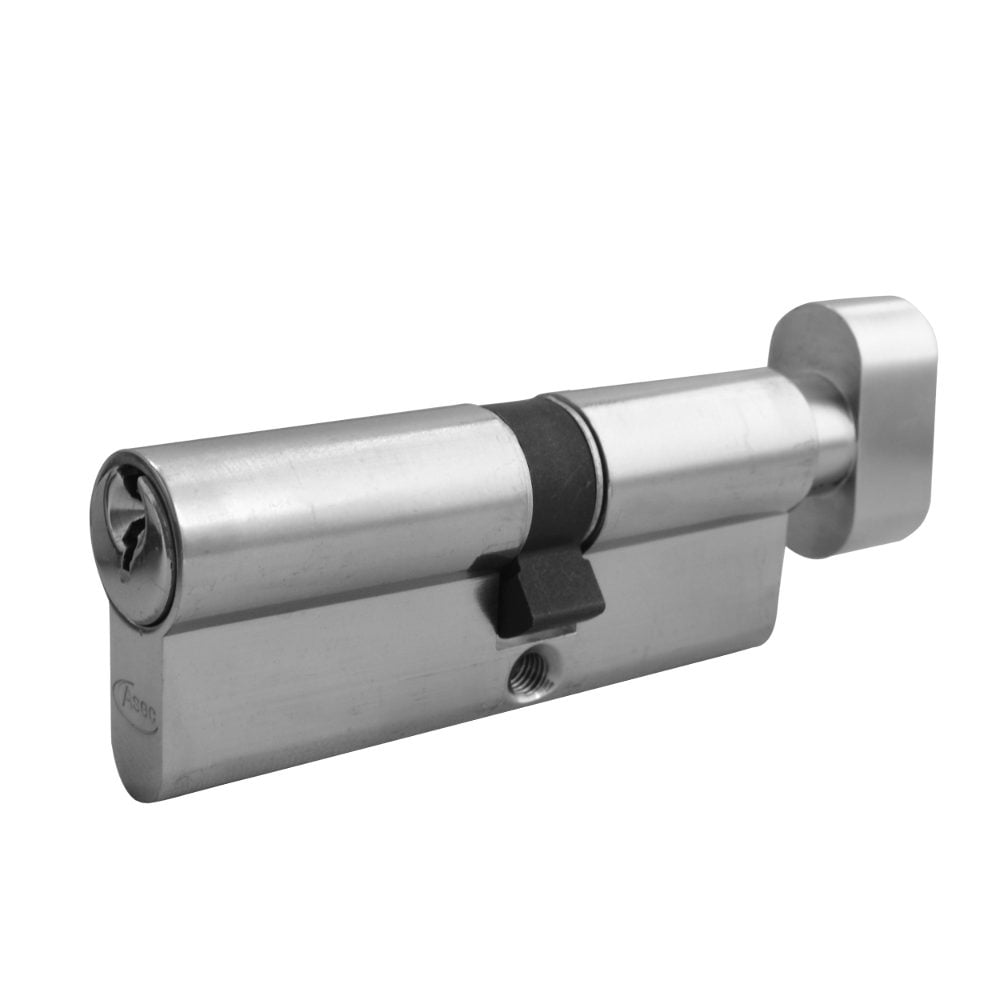
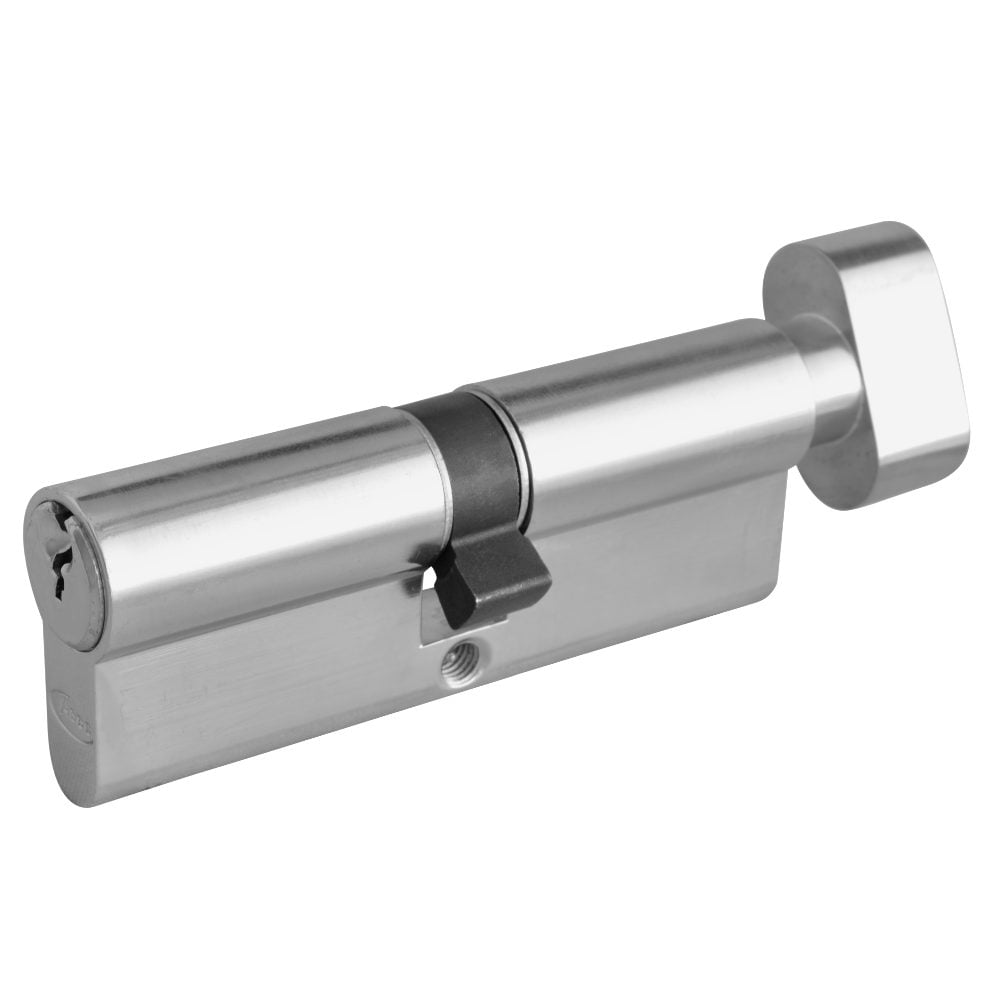
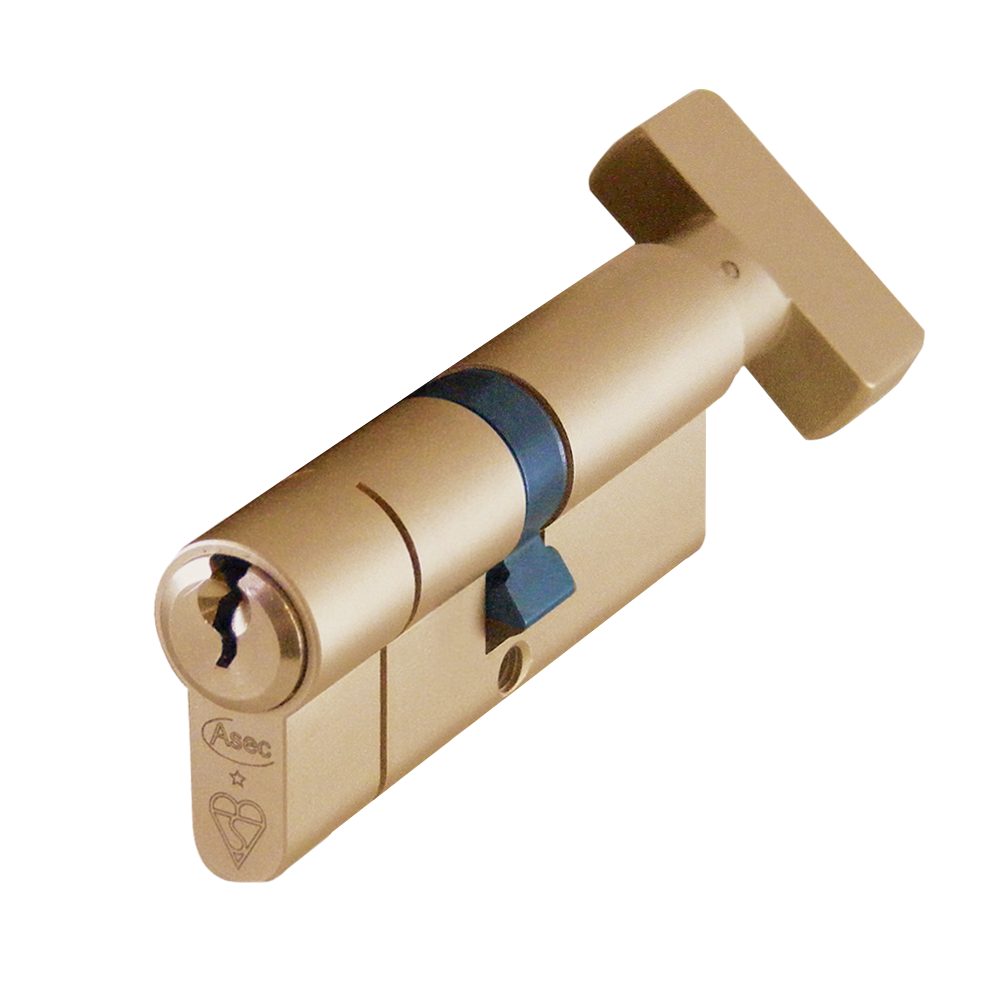
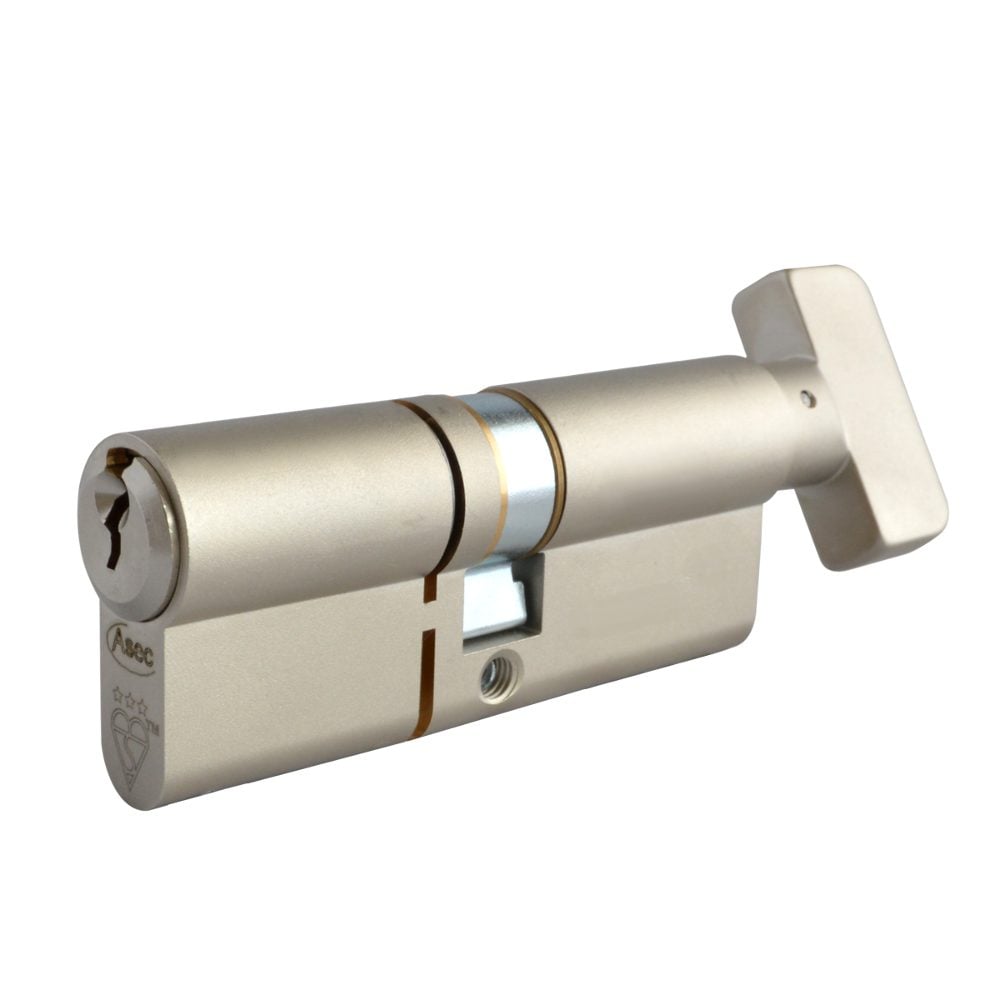
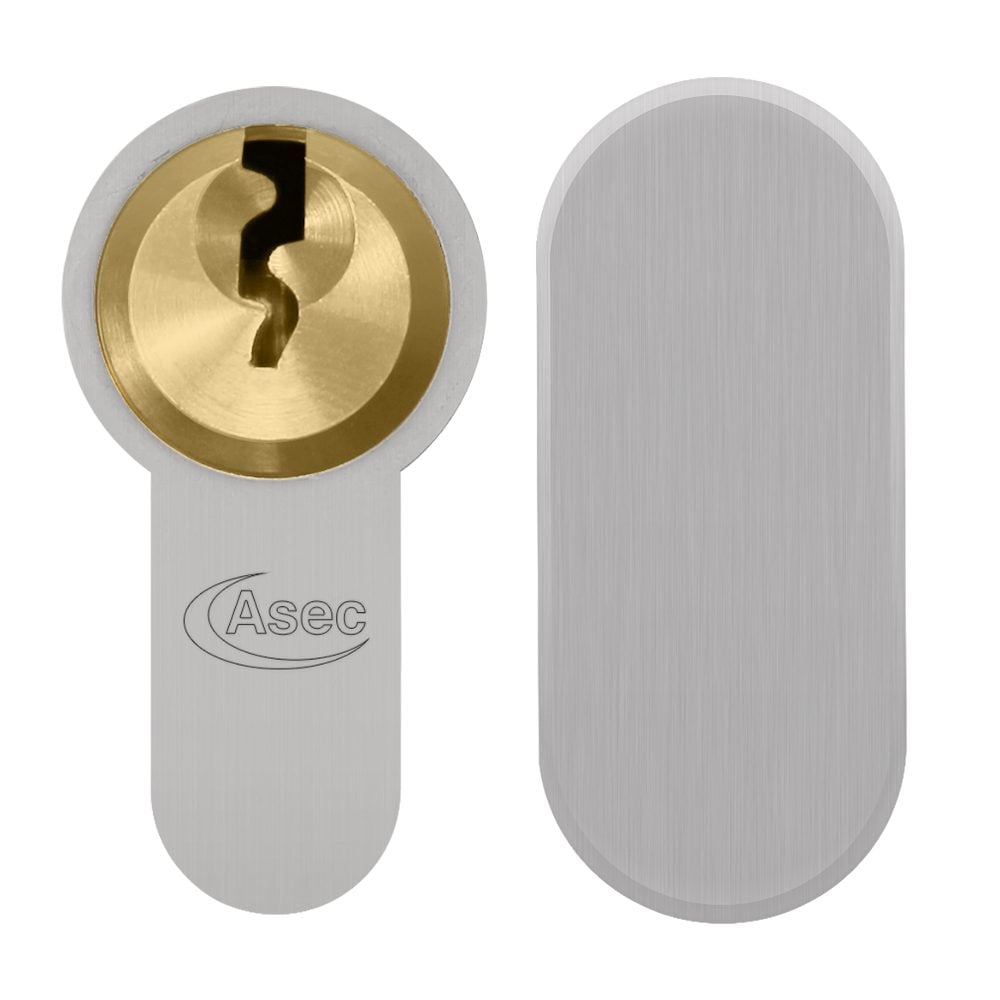
Key and turn euro cylinders are relevant where a uPVC door uses a euro profile cylinder and internal thumbturn exit is suitable. Measure both sides from the fixing screw and confirm the multipoint mechanism is healthy before replacing only the cylinder.
Fault finder
Find the load before replacing the lock
The visible failure is often not the root cause. Test the mechanism open, then closed. If the fault appears only against the frame, alignment and keeps need attention before cylinders, gearboxes or strips are ordered.
Open-door test
Smooth open, stiff closed: treat it as alignment until proved otherwise.
Locking-point check
Hooks, rollers, mushrooms and shootbolts must travel without scraping or stopping short.
Measured repair
Backset, PZ, faceplate, spindle, split cylinder and keep positions decide what fits.
Planning focus
uPVC alignment and locking point vector
Symptom routing
What should be checked first?
Start with the cheapest credible cause, but do not stop at the visible part. A new cylinder will not cure a door that is using the lock to pull itself shut.
Locks open, fails closed?
Hinges, keeps, latch line and gasket compression before parts.
Handle stops halfway?
Centre gearbox, strip travel, trapped hook or seized shootbolt.
Key hard on final turn?
Deadbolt load or gearbox throw before blaming the cylinder.
Lever droops?
Handle spring, spindle wear and follower condition together.
Window handle spins?
Spindle or espag drive failure; open carefully before matching parts.
Window shuts, will not lock?
Dropped sash, friction stays, cam height and keep position.
Repair before full replacement
Choose the smallest repair that removes the cause
Adjust
Use when: Best when the mechanism is smooth open and binds only in the frame.
Limit: Will not fix worn keys, broken followers or failed centre cases.
Replace part
Use when: Works for a measured cylinder, handle, gearbox, keep, espag or stay.
Limit: Fails early if the same alignment load remains.
Replace strip
Use when: Right when several locking points are worn, distorted or obsolete.
Limit: Needs exact matching of centres, backset, faceplate and positions.
Relevant shelves and references
Match products to the diagnosed part
Symptom-to-part diagnosis
The same uPVC fault can appear as a stiff handle, a stuck key, a door that will not close, or a lock that turns but does not secure. Separating the symptom from the loaded part avoids replacing the visible cylinder when the failure is actually in the frame-side alignment or centre case.
- Key turns freely with the door open but not closed: check hinge drop, keeps, strikers, latch alignment, gasket compression, and whether the door needs lifting to lock.
- Handle will not lift fully even with the door open: suspect the centre gearbox, spindle drive, seized locking strip, or a damaged hook, roller, mushroom, or shootbolt.
- Key spins, stops short, or will not complete the final locking turn: check whether the gearbox is throwing the deadbolt correctly before blaming only the cylinder.
- Door has become worse over months: repeated forcing often starts as alignment strain and ends with a cracked gearbox, bent strip, worn handle follower, or broken spindle.
Multipoint locks, gearboxes and locking strips
Most uPVC entrance doors use a lever-operated multipoint lock. Lifting the handle moves several locking points, then the key locks the centre case. The centre gearbox is the drive unit; the full strip is the long faceplate and connected hooks, rollers, bolts, or mushrooms running up and down the door edge.
- Gearbox-only replacement can work when the centre case has failed, the rest of the strip is sound, and the backset, PZ centres, spindle arrangement, latch direction, and fixing pattern match.
- Full strip replacement is usually better where locking points are seized, damaged, distorted, obsolete, or where a matching gearbox is unavailable.
- Keep and striker adjustment is worthwhile when the mechanism throws cleanly in free air but scrapes, misses, or stops short in the frame.
- A replacement gearbox should not be fitted into the same load that broke the old one; alignment should be corrected before the repair is considered complete.
Euro cylinders, anti-snap upgrades and key faults
The euro cylinder is the removable key barrel in many uPVC doors. It can be replaced separately for lost keys, worn pins, broken keys, thumbturn changes, or anti-snap security upgrades, but it does not repair a failed multipoint gearbox or an out-of-line door.
- Measure from the cylinder fixing screw to the outside furniture face and from the same screw to the inside face; many uPVC doors need offset cylinder sizes.
- Keep the cylinder close to the handle or escutcheon face. Excess projection can leave more metal exposed to attack and undermines the point of an anti-snap upgrade.
- Look for certified snap resistance such as TS 007 three-star cylinders, or a one-star cylinder combined with compatible two-star security furniture where the door specification supports that route.
- If the key is stuck or snapped, avoid forcing the handle or turning the remaining key head; the cylinder may be under load from the multipoint mechanism.
Handles, spindles, springs and door furniture
UPVC handles do more than cover the cylinder. The lever follower, spindle, spring cassette, backplate screws, PZ centres, and handle projection all affect how force is transferred into the multipoint gearbox.
- Drooping or floppy levers can point to handle spring failure, a worn gearbox follower, a damaged spindle, loose fixing screws, or a combination of wear in both handle and lock case.
- Replacement handles need matching PZ centres, screw centres, backplate length and width, spindle size, handed or inline layout, and clearance around the cylinder.
- Security handles can protect the cylinder better, but only if the cylinder length is measured to the new furniture rather than copied blindly from the old one.
- Loose handles should be investigated early because extra lever movement can round spindles, stress the follower, and make a marginal gearbox fail sooner.
Alignment, hinges, keeps and seasonal movement
UPVC doors move over time. Hinge wear, settlement, thermal expansion, worn keeps, compression settings, packed glazing, and repeated slamming can all shift the relationship between the locking strip and the frame.
- Uneven gaps, latch rub marks, daylight at corners, or a door that needs lifting before locking all point towards hinge or keep adjustment.
- A single tight hook or roller keep can make the whole handle feel stiff even though most of the mechanism is healthy.
- Weather-related symptoms often mean the door is close to tolerance; a summer or winter fault may still need adjustment before the gearbox is damaged.
- Adjustment should preserve weather sealing without crushing the gasket so hard that the lock becomes the tool used to pull the door shut.
uPVC window locks, espags and friction stays
UPVC windows usually fail around the handle drive, espagnolette mechanism, locking cams, keeps, hinges, or friction stays. A handle that will not turn is not always the failed part; it may be blocked by a seized espag, a sash that has dropped, or a locking cam trapped against the keep.
- Espagnolette handles use a spindle to move an internal gearbox or rod, which then drives cams, mushrooms, hooks, or bolts into frame keeps.
- A spinning handle can mean the handle spindle, gearbox socket, or espag drive has failed; a locked-shut sash often needs careful opening before parts can be matched.
- Friction stays and hinges affect sash position. If the sash drops or drags, the locking points may miss the keeps even when the handle and espag are sound.
- Replacement window handles need the correct spindle length, fixing centres, handed or inline shape, key locking preference, and enough clearance for the sash profile.
Repair, replace or upgrade
A good uPVC repair keeps the sound parts, replaces the worn or insecure parts, and removes the strain that caused the problem. Full replacement is justified when wear is spread through the mechanism or when obsolete parts make a dependable repair unlikely.
- Repair or adjust when the mechanism is smooth with the door or window open, the parts are available, and the fault is isolated to keeps, hinges, handles, cylinders, or a gearbox.
- Replace the full mechanism when multiple locking points are damaged, the faceplate is distorted, the centre case is not available separately, or old wear has spread through the strip.
- Upgrade the cylinder and handles when key control is uncertain, the external cylinder projects too far, or the door lacks modern snap resistance.
- Escalate to urgent help when the door is locked shut, cannot be secured, the only exit is compromised, a key is snapped, or a window is stuck open in an accessible position.
FAQs
uPVC Door and Window Lock Repairs | Lock & Key FAQs
Short answers for separating product research, fitting, survey and urgent callout work.
Why does my uPVC door lock when open but not when closed?
That usually points to alignment rather than the cylinder alone. The hooks, rollers, latch, deadbolt, or mushrooms may be hitting the keeps incorrectly, or the door may have dropped on its hinges. Adjusting hinges and keeps should be considered before replacing the lock.
Can only the gearbox be replaced on a uPVC multipoint lock?
Often, but only if the gearbox matches the old backset, PZ centres, spindle arrangement, latch direction, fixing pattern, and connection to the strip. If the locking points are seized, the faceplate is distorted, or the gearbox is obsolete, replacing the full strip is usually more reliable.
Is a stiff uPVC door handle a cylinder problem?
Not usually. A stiff handle is more often caused by alignment strain, tight keeps, a worn gearbox, a damaged spindle, seized locking points, or failed handle springing. A cylinder fault normally shows more clearly in key insertion, key turning, or operation from one side.
When should I replace the euro cylinder on a uPVC door?
Cylinder replacement makes sense after lost keys, uncertain key control, wear, a snapped key, poor key operation, excessive external projection, or an anti-snap upgrade. It should not be used to hide a loaded multipoint mechanism or a dropped door.
What measurements matter for uPVC door lock parts?
Useful measurements include euro cylinder split sizes, handle PZ centres, screw centres, backplate size, spindle size, gearbox backset, faceplate width, overall strip length, locking-point positions, latch direction, and any brand markings stamped on the strip.
Can uPVC window locks be repaired without replacing the whole window?
Yes. Handles, espagnolette mechanisms, keeps, hinges, and friction stays can often be replaced or adjusted separately. Full window replacement is normally a frame or glazing decision, not the first answer to a failed handle or espag mechanism.
Why is my uPVC window handle spinning or only turning part way?
A spinning handle can mean the spindle or espag gearbox is no longer driving the mechanism. A handle that only turns part way may be blocked by a seized espag, trapped locking cam, dropped sash, or keep misalignment. The sash position and mechanism should both be checked.
Are anti-snap cylinders worth fitting to uPVC doors?
For external doors using euro cylinders, anti-snap protection is a sensible upgrade when correctly measured and fitted. Look for recognised cylinder protection such as TS 007 three-star, or a compatible cylinder and security-furniture combination where appropriate.
Should I lubricate a stiff uPVC multipoint lock?
Light, suitable lubrication may help a dry latch or mechanism, but it will not fix a dropped door, tight keep, failing gearbox, or bent strip. If the handle or key needs force, diagnose the load before adding lubricant and continuing to use it.
When is urgent help needed for a uPVC lock fault?
Urgent help is sensible when a door is locked shut, cannot be secured, the only practical exit is affected, the key has snapped, the key is stuck, or an accessible window is stuck open or unlocked.
Installation and emergency support
Need uPVC door and window lock repairs handled by our team?
Call for locksmith callouts, vehicle keys, safes, grilles, shutters, CCTV, alarms, access control, fire doors, and installation work. Share the postcode, photos, urgency and any product details so the job can be routed cleanly.
Call our team
01296 925335