

Installation and emergency support
For safes and strong rooms, call the team with the postcode, photos, urgency and any product details ready.
Safes and strong rooms
Safes and Strong Rooms
What must the safe prove: cash cover, valuables cover, fire survival, controlled access, anchoring, delivery feasibility, or room-level storage? Start with the limit, contents, lock routine, floor, delivery access, insurer wording, and evidence needed after a claim, staff change, relocation, or locked-safe emergency.
Cover
Ratings need conditions
Cash ratings, valuables multiples, Eurograde labels, S1 or S2 markings, fire tests, alarm conditions, lock type, key custody, and anchoring rules must match the insurer position before a safe is treated as approved.
Contents
The contents set the storage choice
Cash, jewellery, keys, documents, medicine, data media, stock, customer property, and records fail in different ways. Some need burglary resistance, some need fire insulation, and some need auditability more than concealment.
Site
Installation is a control
A safe can be the wrong choice if it cannot be fixed into suitable structure, moved safely through the building, accessed by authorised users, or documented after fitting.
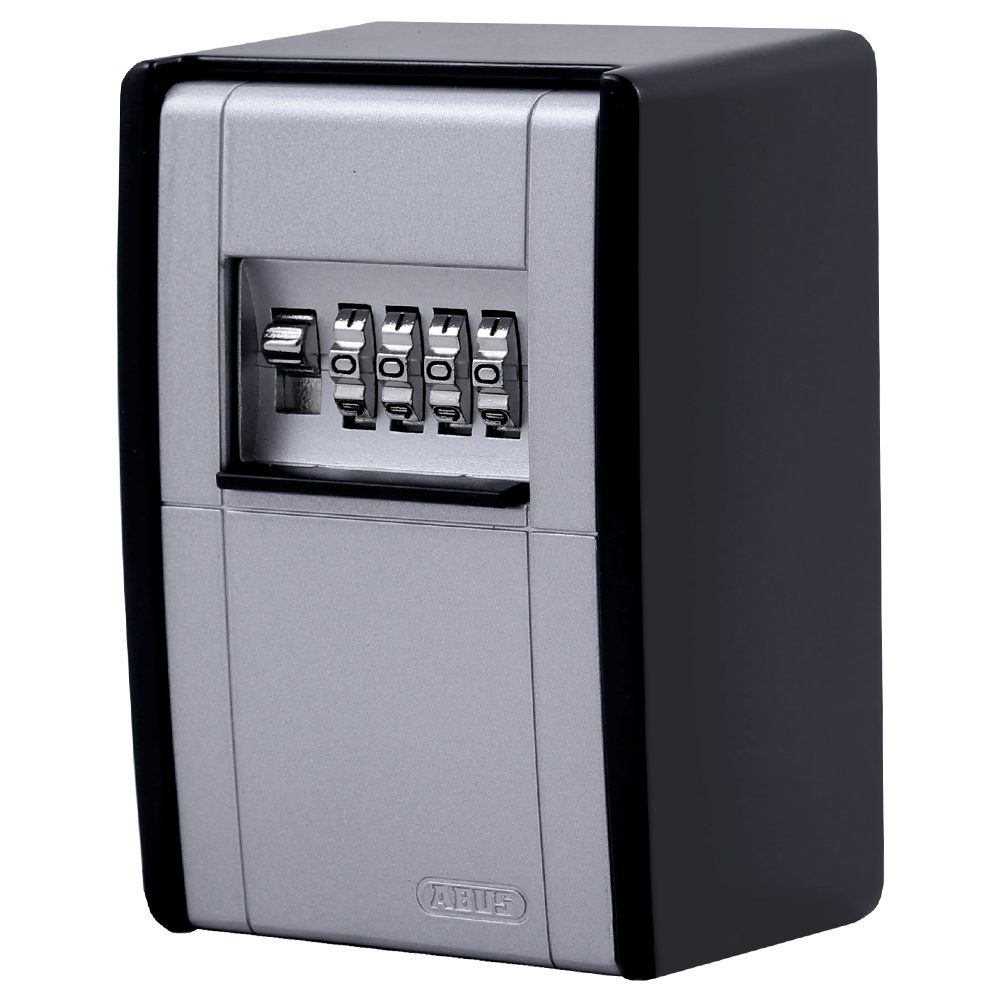
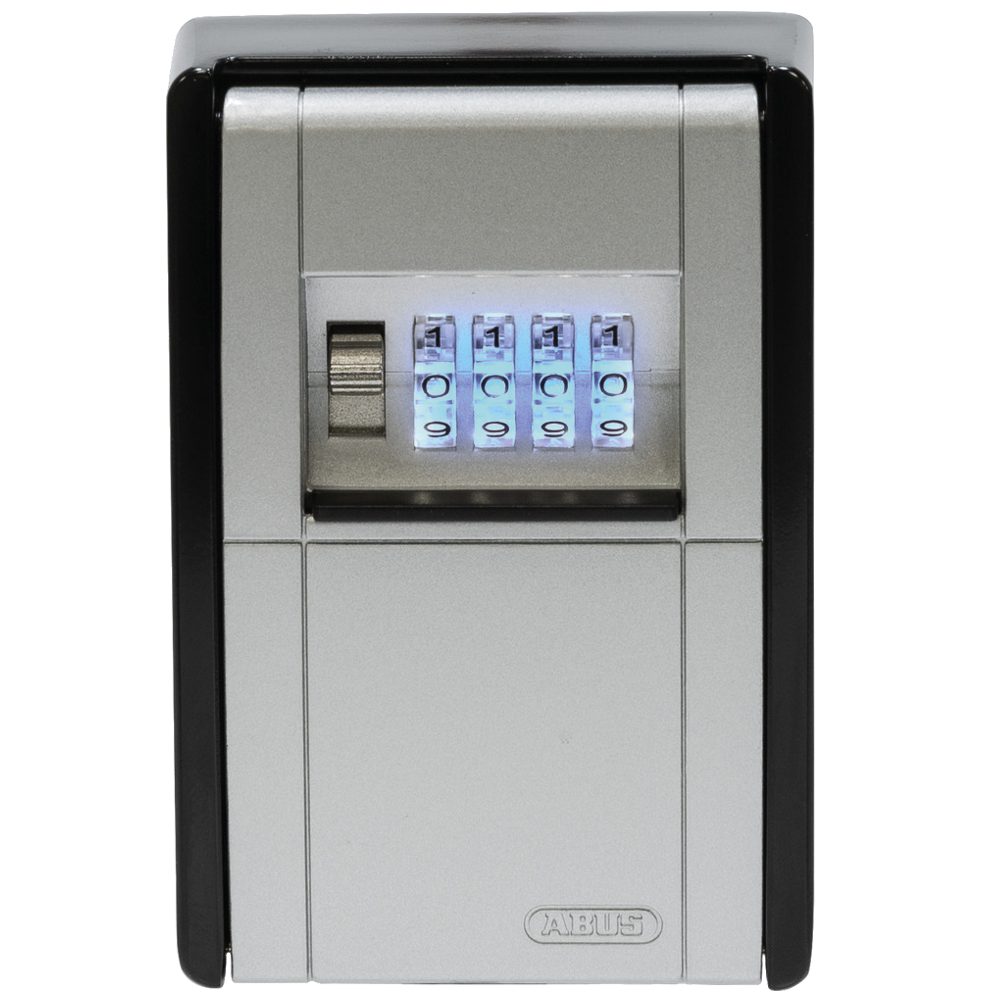
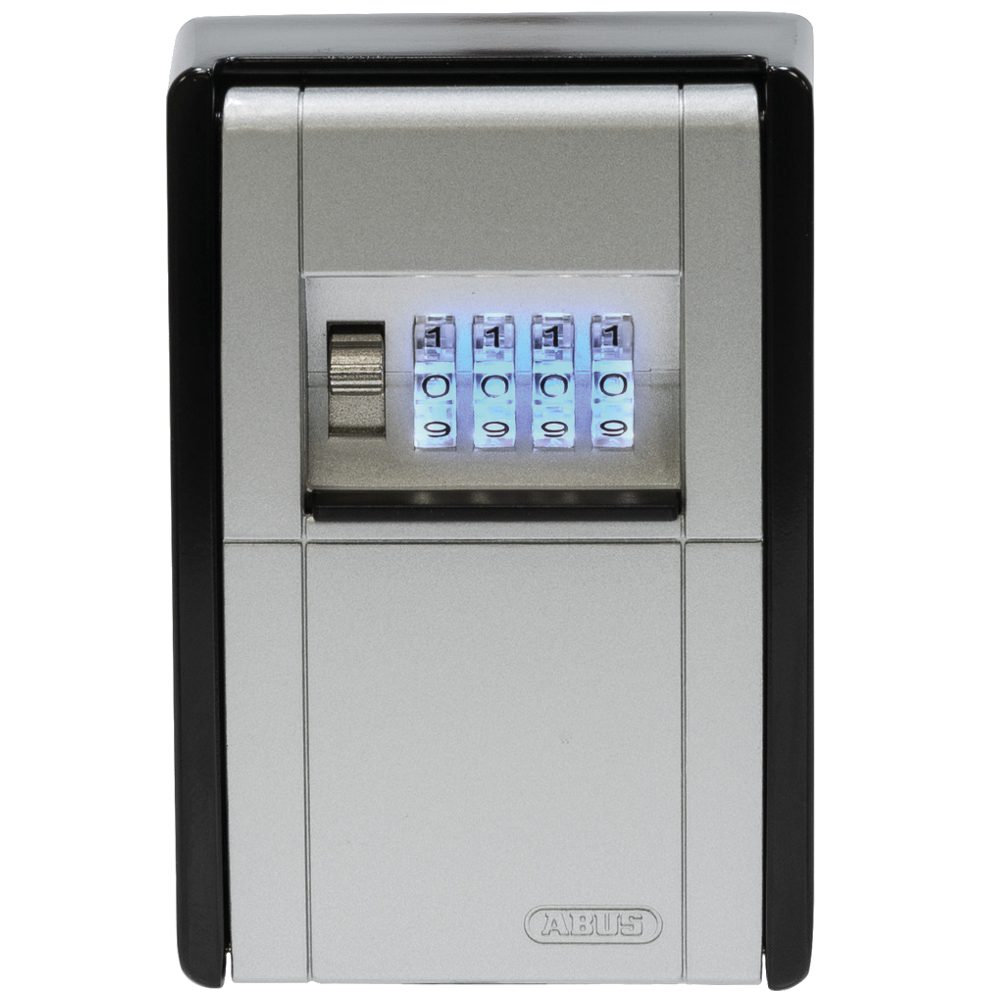
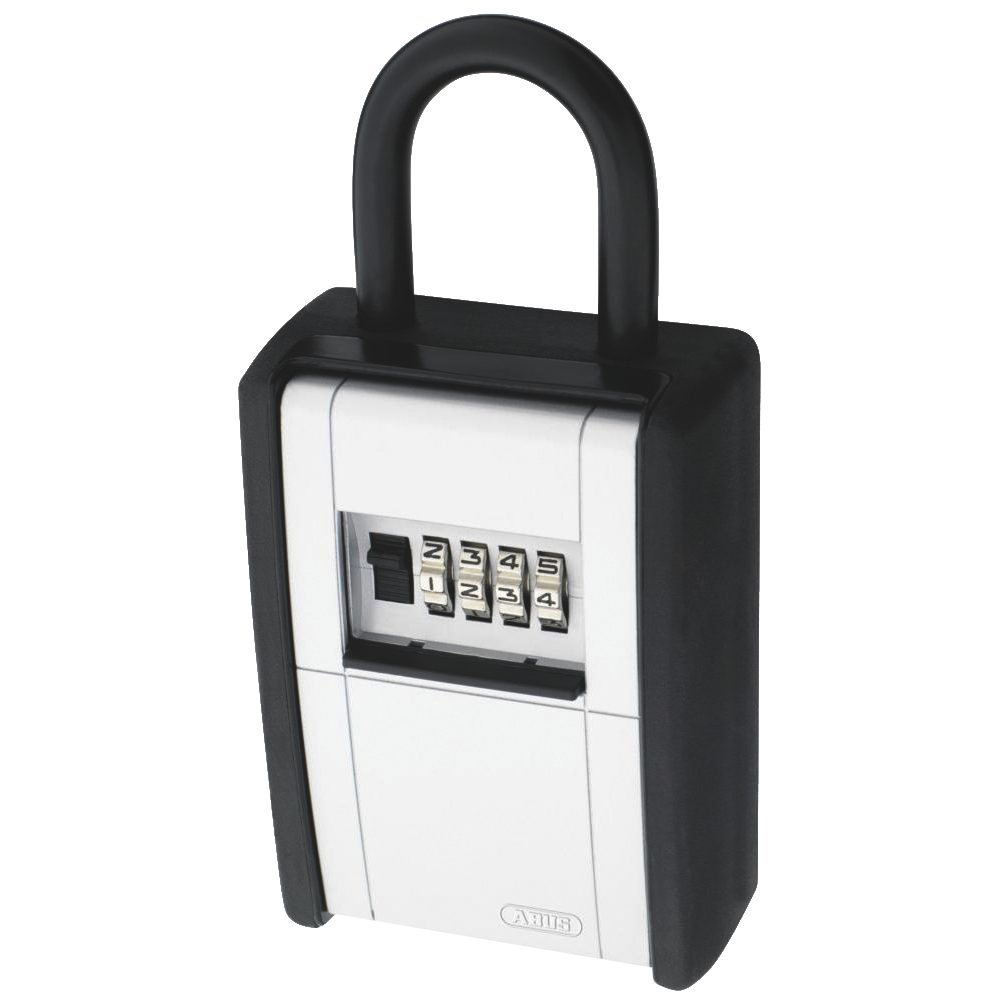
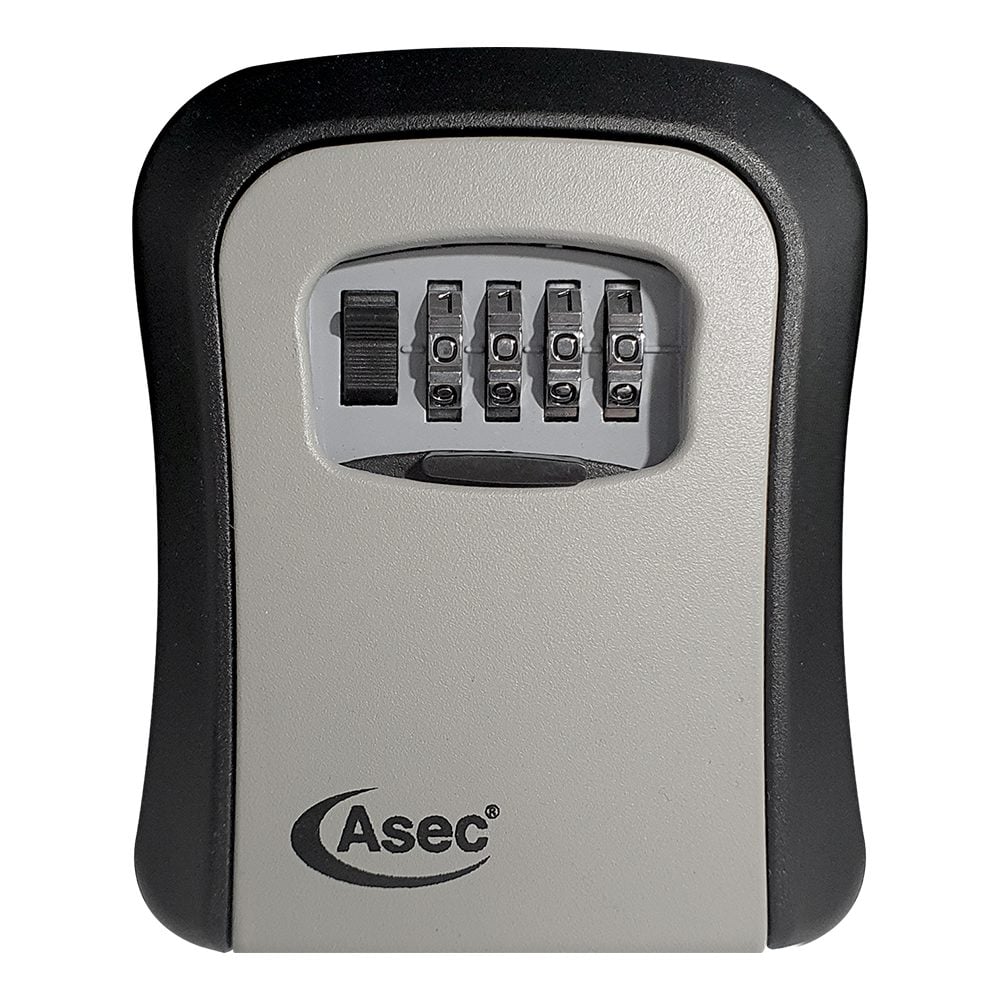
Key Safe
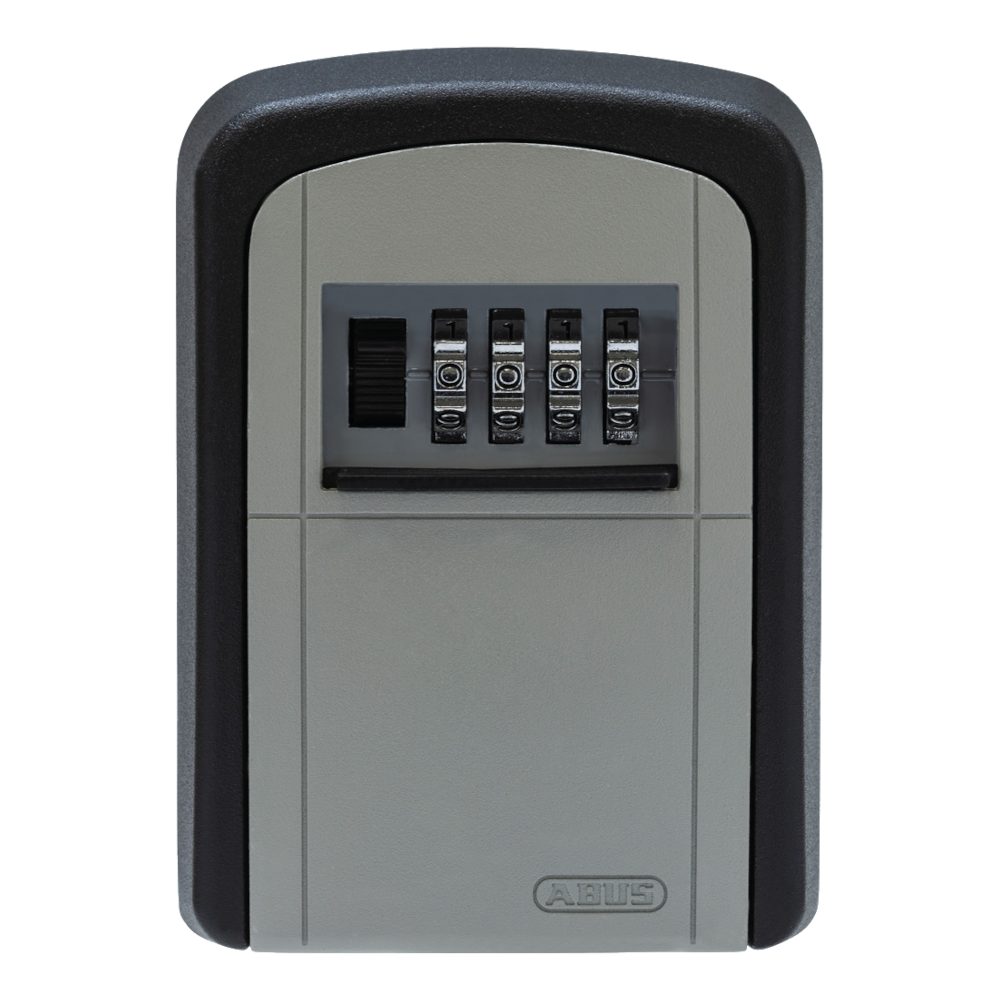
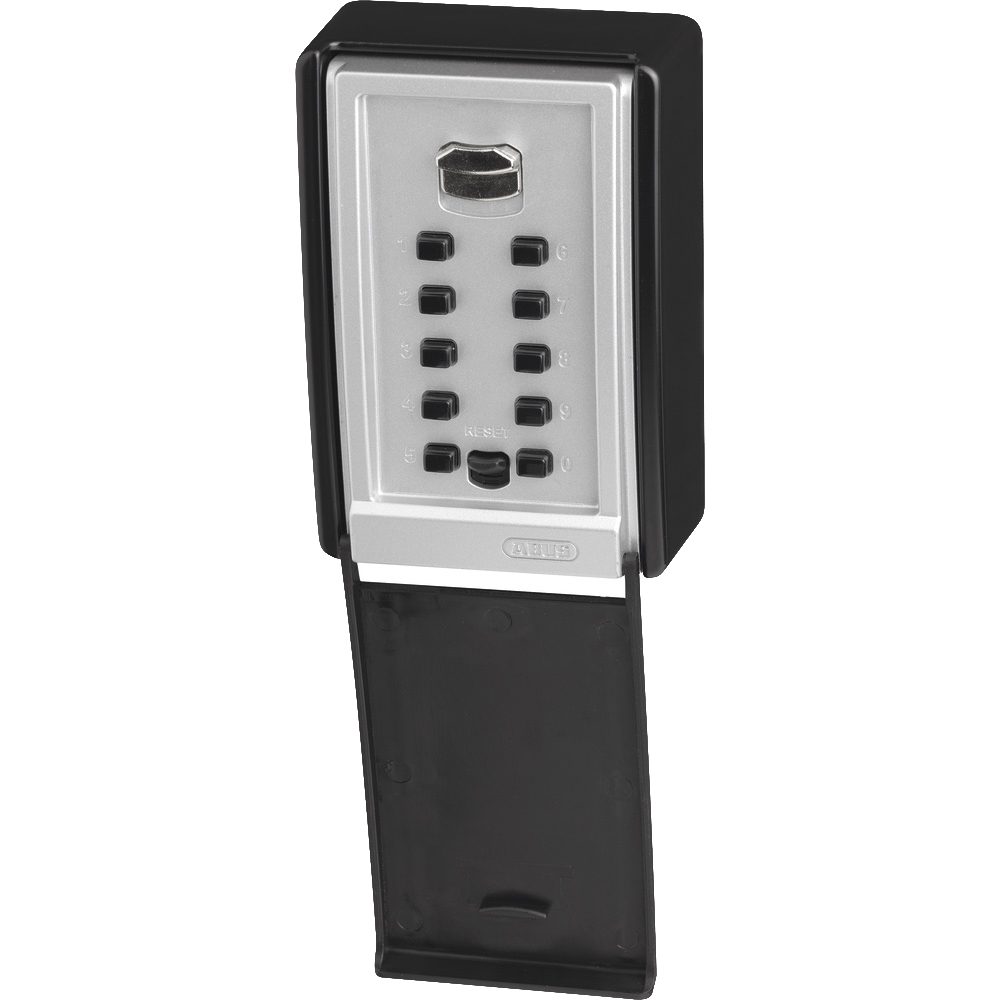
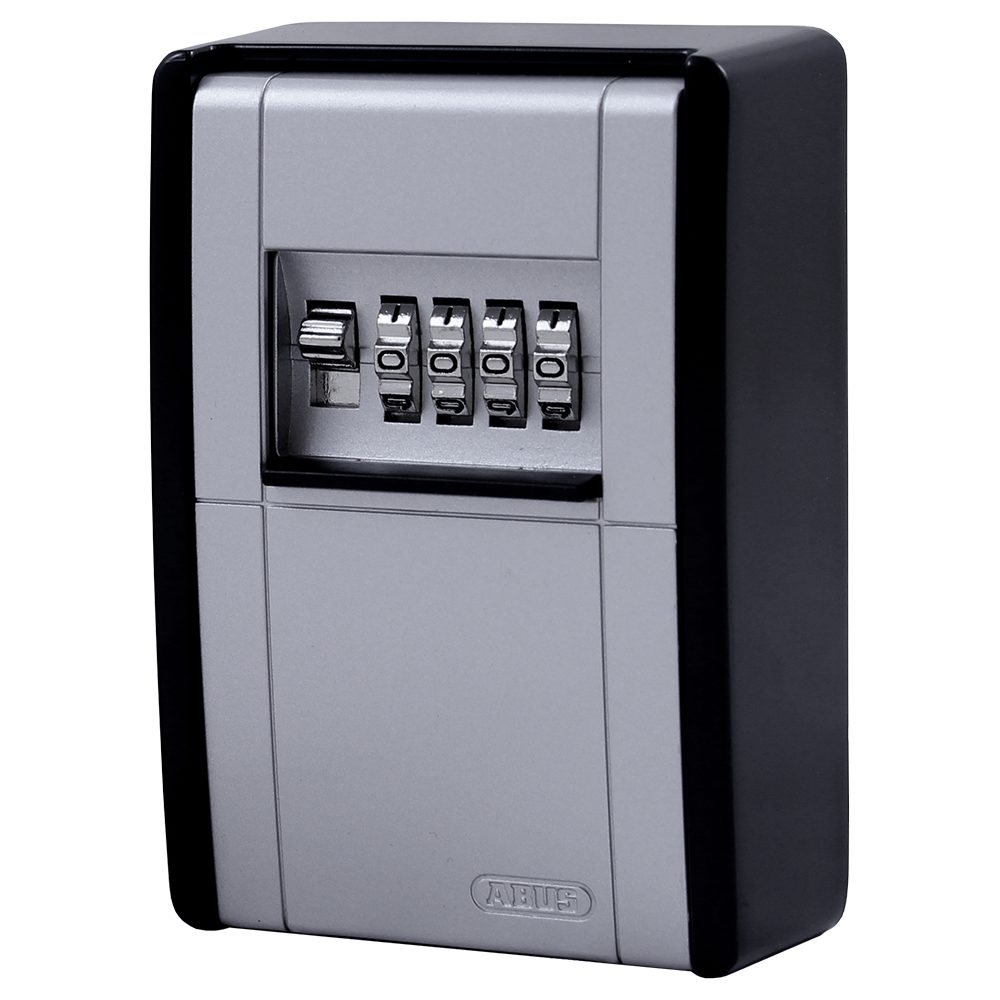
Key safes and managed key-storage products for care access, contractor access, emergency entry, visitor workflows, and lower-risk key handover. They are not a substitute for a rated valuables safe where key loss would expose high-value assets.
Safe-selection control panel
Choose the brief before choosing the box
A good brief separates what the safe must resist from what the site can physically accept. Use the controls below to decide whether this is a rating, contents, fixing, lock, delivery, disposal, or strong-room question.
Ratings and insurer approval
Use when cash rating, valuables cover, Eurograde, S1/S2, fire rating, alarm conditions, or fixing evidence decides approval.
Open ratings guideSafe type and format
Compare free-standing, underfloor, wall, deposit, fire, data, key safes, and separate secure storage options.
Compare safe typesSite access and movement
Use when weight, stairs, lifts, thresholds, floor loading, anchoring, opening, relocation, or disposal could block the plan.
Plan installationStrong-room planning
Use when capacity, multi-user access, stock control, keys, records, or audit trails make one cabinet too limited.
Check room-level controlRead safe ratings as a conversation, not a badge
The most useful rating conversation separates burglary resistance, insurance cover, fire performance, contents type, and installation evidence. EN 1143-1 is the main European burglary-resistance framework used for graded safes, strongroom doors, strongrooms, and related secure storage units. EN 14450 covers lower-risk secure safe cabinets, usually classed S1 or S2, and should not be treated as the same as a Eurograde safe.
- Cash rating: the overnight cash amount an insurer may accept when the model, premises risk, alarm, lock type, fixing, and use conditions are acceptable.
- Valuables rating: commonly discussed as a multiple of the cash rating, but jewellery, watches, bullion, controlled stock, or customer property should be declared to the insurer rather than assumed.
- Eurograde and standards: check the certification label, model, serial plate, test standard, lock standard, and whether the grade applies to the exact safe being installed.
- S1 and S2 cabinets: useful for lower-risk storage and opportunistic theft resistance, but they sit below EN 1143-1 graded safes and may not satisfy higher-value insurance requirements.
Map the contents to the storage risk
Different contents fail in different ways. Cash and jewellery need burglary resistance and removal resistance. Paper needs heat and smoke protection. Data media can be damaged at temperatures that leave paper readable. Keys need access control because the real target may be the vehicles, doors, plant rooms, or stock those keys unlock.
- Cash and tills: consider deposit slots, anti-fishing design, staff access, end-of-day routines, time delay, dual control, and whether the safe is visible from public areas.
- Jewellery and watches: check valuables cover, overnight storage wording, alarm requirements, room security, and whether home contents or business policies treat the collection differently.
- Documents and deeds: choose fire performance around paper survival, water exposure, recovery access, and whether originals need daily or archival storage.
- Data media and backups: use media-rated protection where required because paper fire safes can still allow internal conditions that damage drives, tapes, optical media, or memory cards.
Choose the safe format around use and fixing
Free-standing safes, underfloor safes, wall safes, deposit safes, fire safes, data safes, key safes, and strong boxes all solve different problems. The right format depends on what must be resisted: attack on the door, removal of the whole unit, insider misuse, heat, daily handling, or concealment.
- Free-standing safes: flexible and available in higher grades, but smaller models usually need robust anchoring into suitable structure.
- Underfloor safes: good for concealment and removal resistance when installed correctly, but they need suitable floors, moisture planning, and practical access.
- Wall safes: useful for concealment and light storage only where wall depth, wall strength, frame fixing, and cover expectations are realistic.
- Deposit safes: reduce staff need to open the main compartment, but slot design, anti-fishing protection, cash routine, and reconciliation process matter.
Treat anchoring, access, and floor loading as early decisions
A safe can be technically suitable but practically wrong for the building. Heavy units need access checks before ordering. Lighter units need anchoring that resists removal. Relocation, locked-safe opening, and disposal become harder when the original fixing and access path were never recorded.
- Delivery access: measure parking, kerbs, steps, corridors, lifts, turns, thresholds, door widths, stairs, and the final working space.
- Building structure: check concrete, timber floors, screeds, wall type, voids, underfloor services, damp conditions, and whether fixings can achieve the required hold.
- Handling risk: plan specialist equipment, safe weight, tilt clearance, floor protection, manual-handling limits, and whether contents must be removed first.
- Future work: record bolt-down status, fixing location, model details, key or code custody, and photos that will help later opening, repair, relocation, or disposal.
Plan lock operation and key custody
Safe locks create their own risk. A simple key lock may be reliable but depends on key discipline. A digital lock may suit frequent access but needs code management and battery planning. Higher-risk business storage may need dual control, time delay, audit features, or a separate restricted key system.
- Key locks: define primary keys, spare keys, sealed emergency keys, leaver process, key register, and whether keys are ever stored on site.
- Digital locks: set named users, code-change rules, battery checks, override rules, lockout handling, and a policy for shared or written-down codes.
- Combination locks: protect combination knowledge, change codes after staff changes, and avoid relying on a single person for access.
- Business access: align safe access with alarm codes, door access, master key systems, CCTV coverage, cash handling, and stock-control procedures.
Know when a strong room is the better boundary
A strong room becomes more relevant when the storage problem is no longer a single-cabinet problem. Larger cash handling, high-value stock, key rooms, records, pharmacy or controlled stock, jewellery workflows, and multi-user secure storage can need a secure envelope: door, walls, ceiling, floor, alarms, lighting, procedures, and access records.
- Envelope: review wall construction, ceiling voids, floor slab, service penetrations, ventilation, door frame, hinges, locking, and the weakest adjacent space.
- Door and locking: match the strong-room door to the envelope, access frequency, escape requirement, emergency access, audit need, and lock custody policy.
- Detection and response: include alarm contacts, vibration or seismic detection where appropriate, CCTV, lighting, opening records, and keyholder response.
- Operations: define who can enter, who can authorise entry, how access is logged, how keys or credentials are held, and what happens during power, fire, or staff changes.
Build a practical safe brief before buying
The strongest first brief is short but specific. It explains what will be stored, how often it is accessed, who uses it, what the insurer expects, where the safe might go, how it can be delivered, and what records should be kept. That stops product choice, fitting, moving, opening, and insurance from becoming separate decisions.
- Contents: maximum values, item types, fire or media sensitivity, business stock, customer property, medicines, keys, documents, and cash routines.
- Site: proposed room, visibility, alarm and CCTV coverage, floor and wall construction, delivery access, floor loading, moisture risk, and escape or fire considerations.
- Users: keyholders, code holders, emergency access, opening frequency, staff leavers, audit expectations, and dual-control requirements.
- Evidence: insurer correspondence, safe model, standard, grade, serial plate, lock type, fixing method, install photos, maintenance notes, and relocation history.
FAQs
Safes and Strong Rooms FAQs
Short answers for separating product research, fitting, survey and urgent callout work.
What is the difference between a cash rating and a valuables rating?
A cash rating usually describes the amount of overnight cash an insurer may consider for a suitable safe, installation, premises, and alarm context. Valuables cover is often discussed as a higher multiple, but the exact figure and conditions depend on the insurer and the declared contents.
Does EN 14450 S1 or S2 mean the same as a Eurograde safe?
No. EN 14450 secure cabinets are lower-risk products classed S1 or S2. EN 1143-1 graded safes are tested within a different burglary-resistance framework and are normally the reference point for higher cash or valuables insurance conversations.
Do safe ratings and fire ratings mean the same thing?
No. Burglary resistance, cash cover, valuables cover, paper fire protection, and data media protection answer different questions. A burglary-rated safe does not automatically protect heat-sensitive contents, and a fire safe is not automatically suitable for high-value burglary cover.
When is a deposit safe better than a normal safe?
A deposit safe can suit shops, offices, hospitality, and cash-handling teams where staff need to deposit cash without opening the main compartment. The slot design, anti-fishing protection, reconciliation process, key custody, and insurer wording still need checking.
Is a wall safe or underfloor safe more secure?
Neither is automatically more secure. Underfloor safes can offer strong concealment and removal resistance when fitted into suitable floors. Wall safes are often limited by wall depth and structure. The rating, fixing, location, use pattern, and contents matter more than the format name.
When is a key safe enough?
A key safe can suit managed access, care visits, trades, and emergency entry, but it is not a substitute for rated valuables storage where the keys give access to vehicles, stock, plant rooms, high-value areas, or other sensitive assets.
What information helps before safe delivery or moving?
Prepare the safe make, model, approximate weight, dimensions, lock type, bolt-down status, destination room, access photos, stairs, thresholds, parking access, lift details, and whether contents are inside. This helps decide equipment, staffing, and whether a survey is needed.
When should a strong room be considered instead of a safe?
A strong room becomes more relevant when capacity, multi-user access, stock control, cash handling, records, keys, controlled goods, audit trails, or room-level alarm response matter more than a single cabinet. The door, walls, ceiling, floor, services, locks, alarms, and procedures must be planned together.
Installation and emergency support
Need safes and strong rooms handled by our team?
Call for locksmith callouts, vehicle keys, safes, grilles, shutters, CCTV, alarms, access control, fire doors, and installation work. Share the postcode, photos, urgency and any product details so the job can be routed cleanly.
Call our team
01296 925335