


Installation and emergency support
For composite door lock replacement, call the team with the postcode, photos, urgency and any product details ready.
Composite door locksmith guide
Composite Door Lock Replacement
Composite door lock replacement is usually a parts diagnosis, not a single-product swap. The cylinder, handle set, multipoint strip, centre gearbox, keeps, hinges, and door alignment all affect whether the door locks cleanly.
First question
Does it fail open or closed?
If the lock throws cleanly with the door open, do not blame the cylinder first. Look at hinges, keeps, compression and frame pressure.
Part choice
Replace the failed layer
Cylinder, handle, gearbox, keep and full strip replacements solve different faults. The right repair follows the test result, not the visible symptom alone.
Misdiagnosis risk
Remove load before fitting parts
A new gearbox can fail early if the handle is still being forced against a dropped door or tight keep. Alignment is part of the repair.
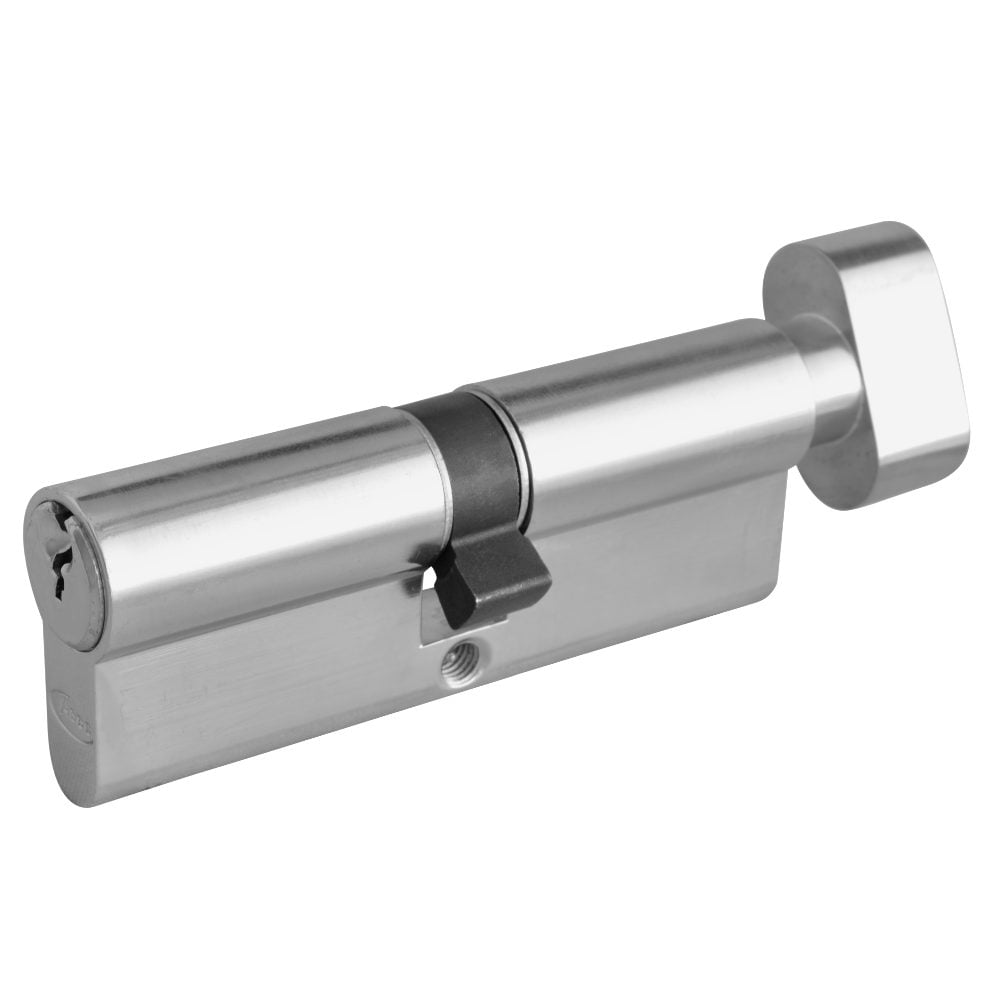
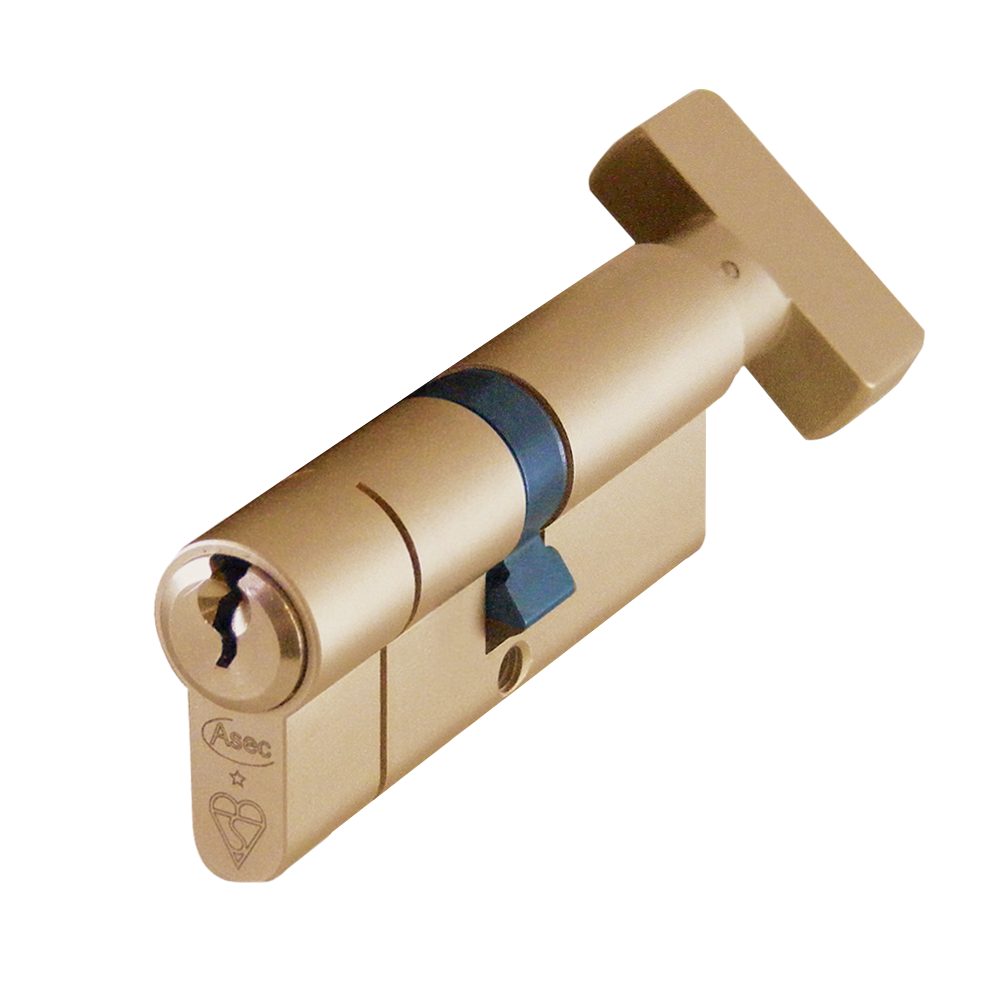
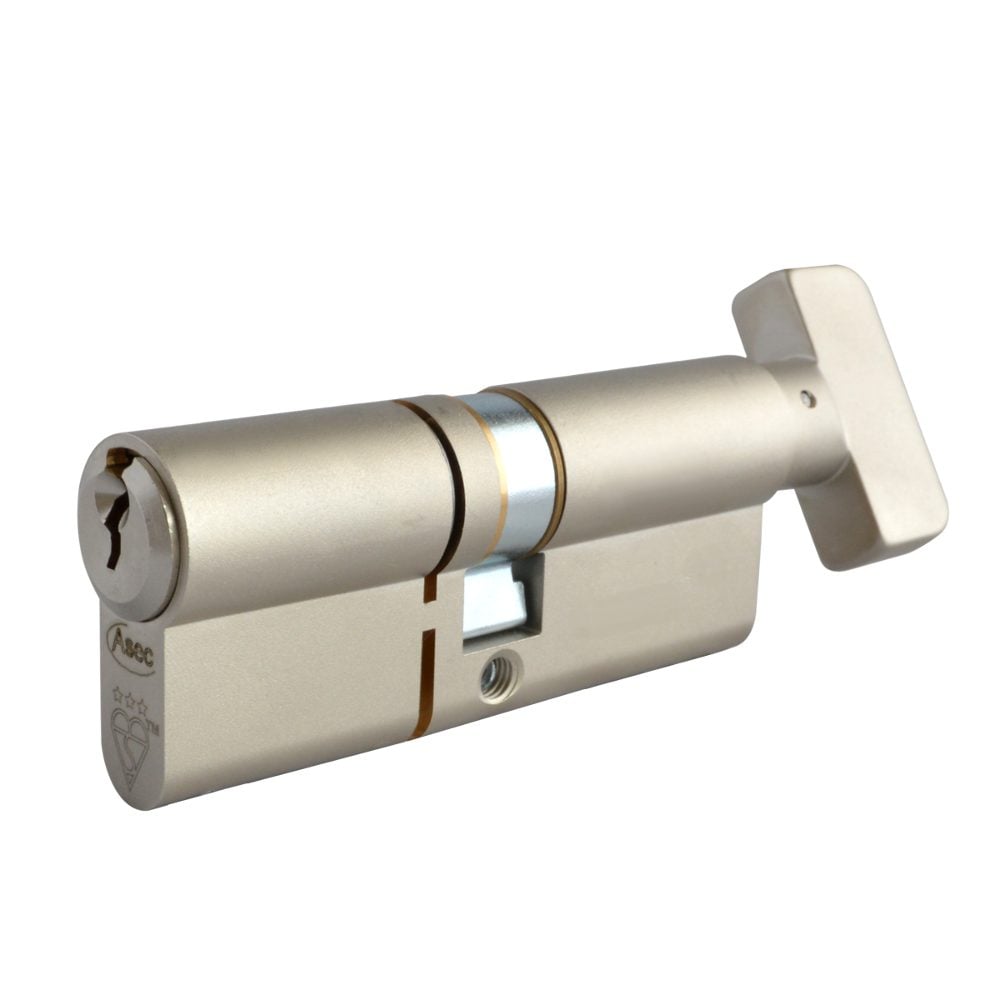
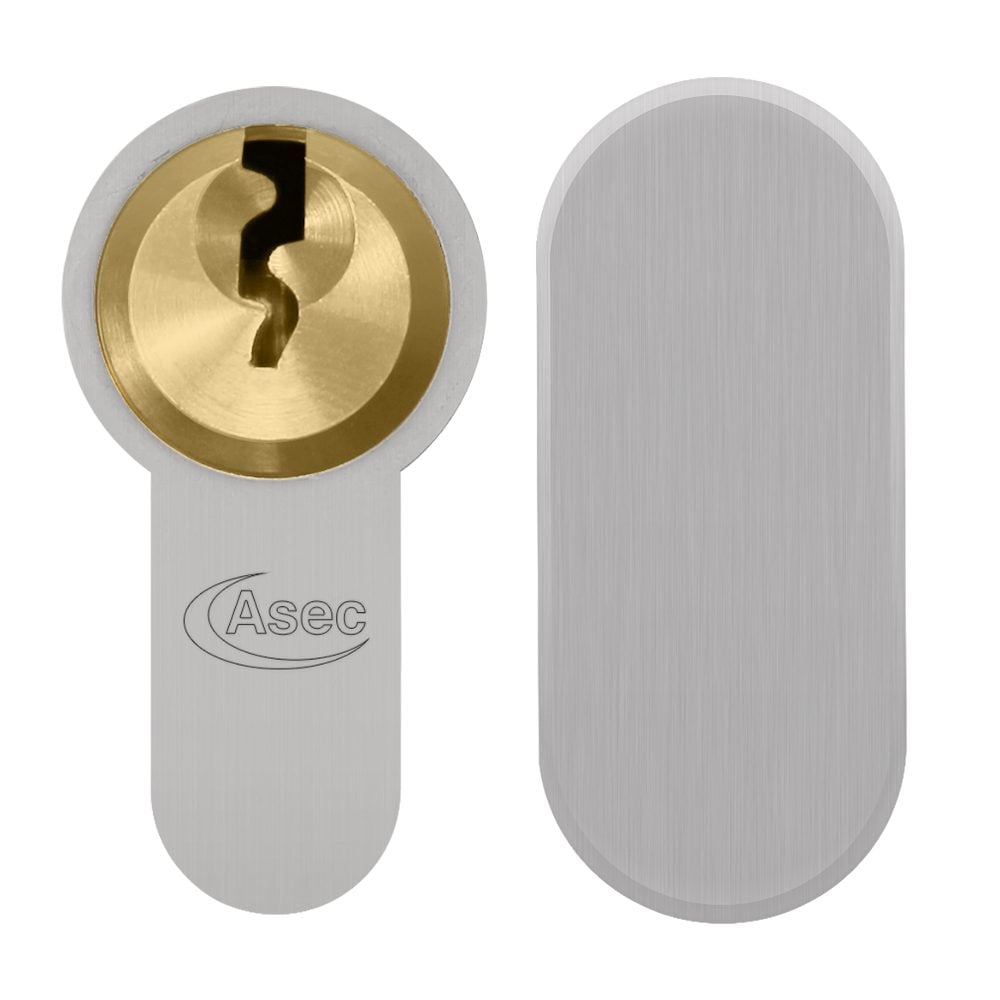
Key & Turn Euro
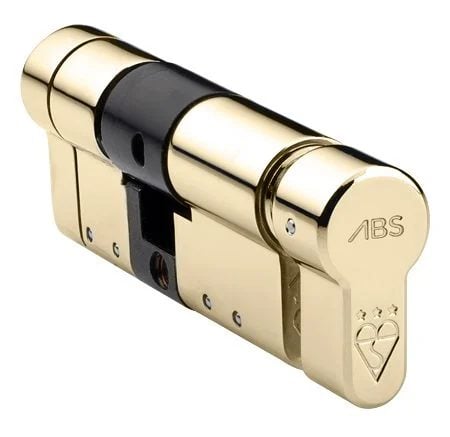
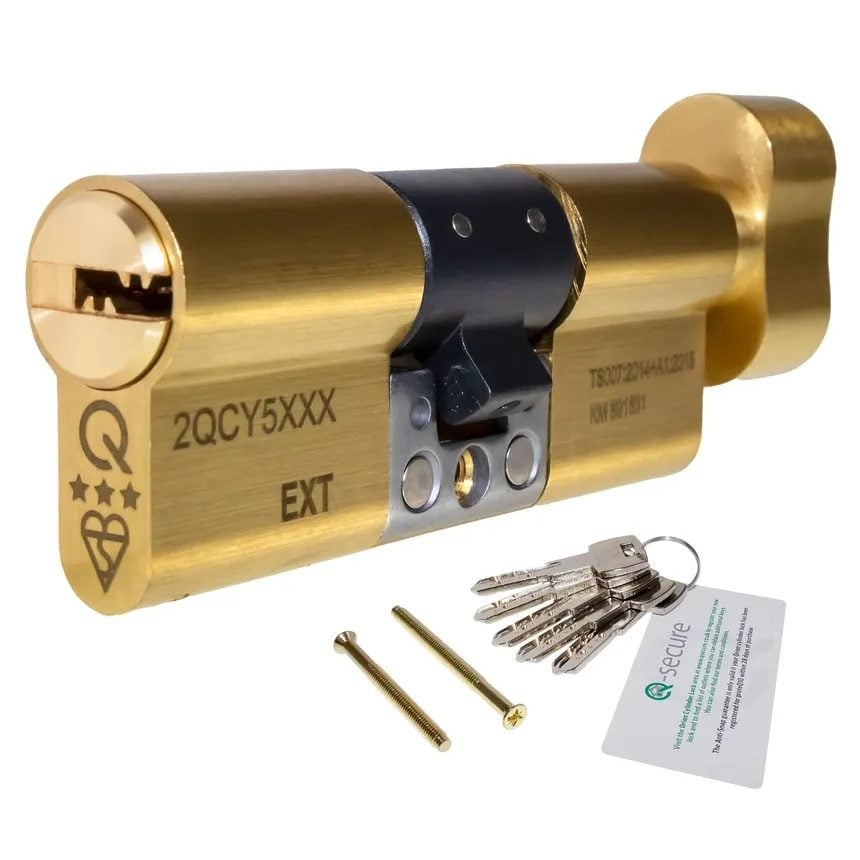
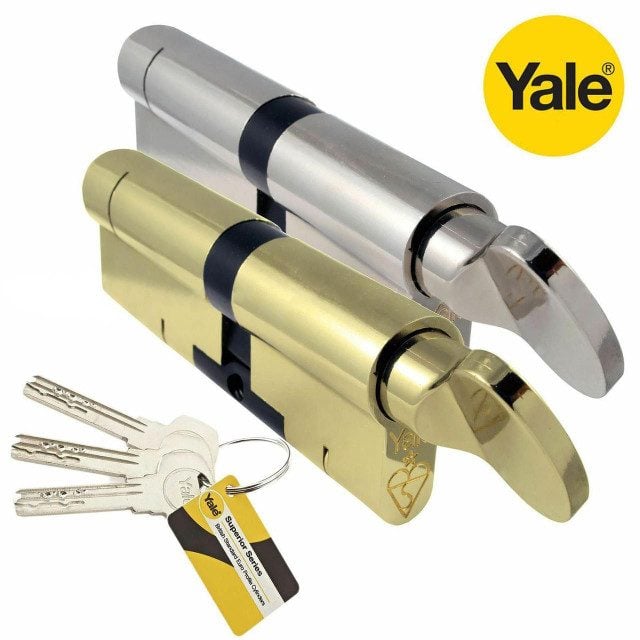
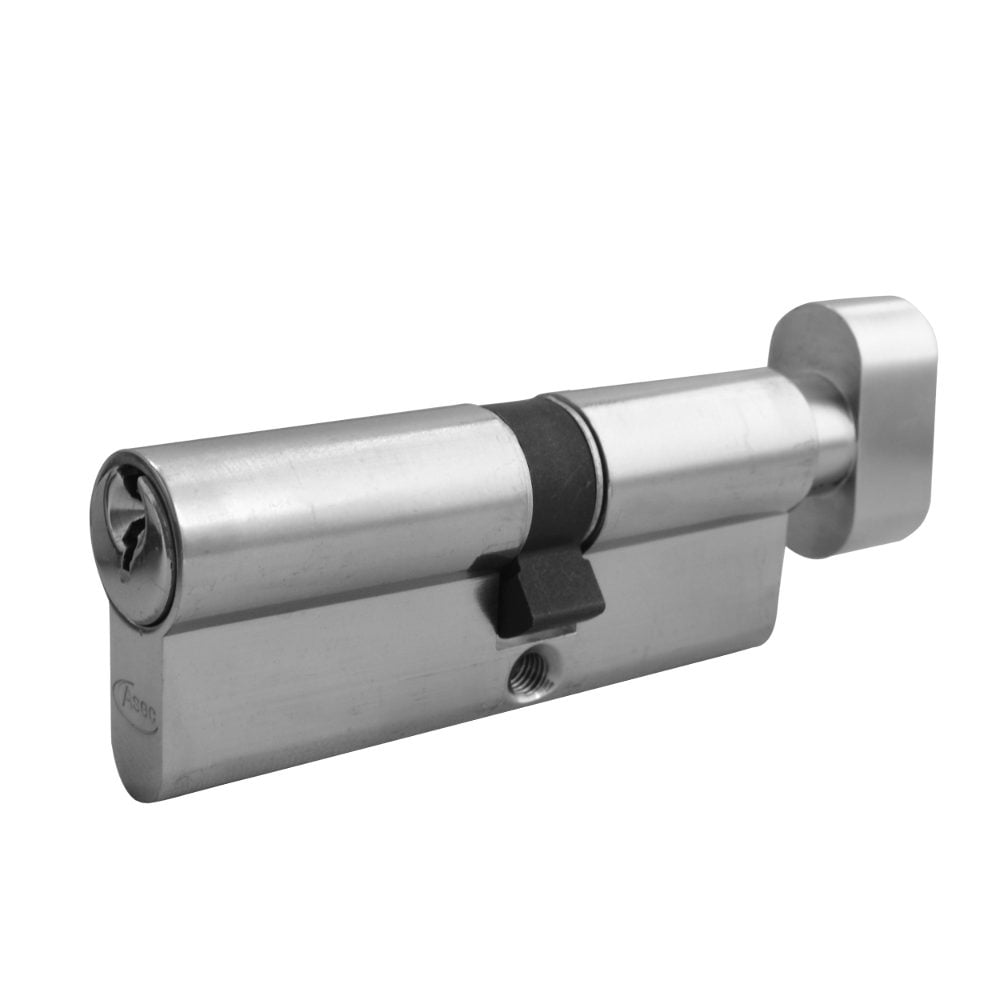
Key and turn euro cylinders are relevant for many composite entrance doors where outside key access and inside thumbturn exit are suitable. Confirm the cylinder size, cam type, security rating, and the condition of the wider multipoint lock before buying.
Composite and uPVC multipoint anatomy
Diagnose the door set before choosing the part
The euro cylinder is only the part you see. The handle lift drives a gearbox, the gearbox moves the strip, and the strip has to meet clean keeps in a square frame. Any one of those layers can make the key feel faulty.
Euro cylinder
Key turns freely when removed, correct split size, minimal outside projection.
Centre gearbox
Latch, deadbolt and follower move cleanly without handle force.
Hooks, rollers, bolts
Every locking point throws fully with the door open.
Keeps and hinges
Locking points enter receivers without scraping, lifting or rebound.
Planning focus
Composite multipoint door lock anatomy
Misdiagnosis costs
A stiff key is not always a cylinder fault
Forcing a loaded handle or key can split a gearbox, bend a faceplate or mask a simple keep adjustment. Test movement with the door open first, then closed.
Field sequence
Five checks before ordering parts
Door open
Lift the handle and turn the key gently. The strip should throw without scrape or rebound.
Door closed
Repeat the same movement. A new bind points to keeps, hinges, compression or frame movement.
Cylinder
Measure both sides from the fixing screw and check projection against the handle.
Furniture
Confirm PZ centres, screw centres, spindle size, lever return and spring cassette condition.
Mechanism
Match backset, centres, faceplate width, locking-point positions and gearbox shape.
Repair decision
Cylinder, gearbox, or full strip?
Choose the smallest dependable repair only after the cause is clear.
Measurements and shelves
Match the replacement decision to the failed part
Record measurements before buying. Composite and uPVC-style multipoint hardware is unforgiving when centres, backsets or strip positions are guessed.
What is actually being replaced?
The visible key barrel is normally a euro cylinder, but that cylinder only drives the centre case of a larger multipoint locking strip. Composite doors often secure at several positions using hooks, deadbolts, rollers, mushrooms, shootbolts, or a combination of locking points that engage into keeps on the frame.
- Replace the euro cylinder when keys are lost, key control is uncertain, the cylinder is worn, or an anti-snap security upgrade is needed and the mechanism is healthy.
- Replace or repair the centre gearbox when the handle no longer drives the strip, the latch fails, the key will not complete its final turn, or the internal drive has worn out.
- Replace the full multipoint strip when locking points are seized, damaged, badly worn, obsolete, or mismatched to available replacement gearboxes.
- Replace handles when levers droop, bind, crack, corrode, lose spring return, or no longer match the centres and spindle arrangement of the mechanism.
Euro cylinders and security upgrades
Composite door cylinder replacement starts with the correct euro profile size, cam position, finish, and security specification. The internal side can be a thumbturn for convenient exit, or keyed on both sides where controlled access is more important and escape requirements have been considered.
- Measure from the centre fixing screw to the outside handle face, then from the screw to the inside handle face; many composite doors need offset sizes rather than equal halves.
- Keep external projection minimal. A cylinder that sticks out beyond the handle or escutcheon can weaken the benefit of anti-snap protection.
- Choose anti-snap, anti-pick, anti-drill, and anti-bump protection for external entrance doors, then confirm the size still fits the furniture correctly.
- Choose a thumbturn where quick internal exit is appropriate; choose a double cylinder where key control on both sides is required and emergency escape is still addressed.
Multipoint mechanisms, gearboxes, and alignment
A stiff composite door lock is often blamed on the cylinder, but door movement, hinge wear, seasonal swelling, compression adjustment, and keep position can all load the multipoint mechanism. Forcing the handle or key can damage the centre gearbox and turn an adjustment into a replacement.
- Adjust hinges and keeps where the hooks, bolts, rollers, or mushrooms move freely with the door open but scrape or stop when closed.
- Check the latch, deadbolt, hooks, rollers, and shootbolts individually so a single tight keep is not mistaken for total mechanism failure.
- Match replacement strips by brand where possible, backset, centres, faceplate width, gearbox shape, spindle arrangement, locking-point positions, and overall length.
- Treat a failed gearbox as a warning sign: if the door is still out of line, a new gearbox may fail early under the same load.
Handles, spindles, and keeps
Composite door handles are not only decorative. Lever movement, spring return, spindle size, fixing centres, and the distance between the handle and cylinder all need to match the multipoint case. Keeps on the frame must also receive the locking points without dragging.
- Measure handle PZ centres, screw centres, backplate length and width, spindle size, and whether the lever is inline or offset before choosing replacement furniture.
- Inspect split spindles, spring cassettes, and worn lever followers when the outside and inside handles behave differently.
- Replace damaged keeps or receiver plates when locking points rattle, miss the frame, scrape heavily, or cannot be adjusted far enough.
- Check gasket compression and hinge adjustment after changing handles or keeps so the door seals without overloading the lock.
When parts beat a full mechanism
A full multipoint replacement is not automatically the best repair. If the door is aligned, the strip throws cleanly, and the fault is isolated, replacing one part can be cheaper, faster, and just as reliable.
- Cylinder-only replacement suits lost keys, changed key control, cylinder wear, and security upgrades where the handle and multipoint lock operate smoothly.
- Handle-only replacement suits broken levers, failed return springs, corrosion, loose backplates, and mismatched furniture where the mechanism still works.
- Gearbox-only replacement can work when the centre case has failed but the rest of the strip is sound and a matching gearbox is available.
- Full mechanism replacement is better when the strip is seized, locking points are damaged, the gearbox is unavailable, the faceplate is distorted, or multiple parts have worn together.
FAQs
Composite Door Lock Replacement FAQs
Short answers for separating product research, fitting, survey and urgent callout work.
Can only the cylinder be changed on a composite door?
Yes, if the door uses a euro cylinder and the wider multipoint mechanism works smoothly. Cylinder-only replacement is common after lost keys, moved-property key control concerns, cylinder wear, or an anti-snap upgrade. It will not fix a failed gearbox, dropped door, or tight keep.
Why does the lock work when the composite door is open but not closed?
That usually points to alignment or frame-side resistance. The hooks, bolts, rollers, or latch may be hitting the keeps incorrectly, or the door may have dropped on its hinges. Adjusting the door and keeps should be considered before condemning the cylinder.
When is a full multipoint mechanism replacement needed?
Full replacement is sensible when several locking points are worn or seized, the strip is distorted, the gearbox cannot be sourced separately, the faceplate or hook positions are damaged, or the old mechanism has become obsolete.
Can a failed composite door gearbox be replaced on its own?
Often, but only when the gearbox dimensions, backset, centres, spindle arrangement, and fixing pattern match and the rest of the strip is still sound. If the strip is also worn or the door remains misaligned, replacing only the gearbox may be short-lived.
How should a euro cylinder be measured for a composite door?
Measure from the centre of the cylinder fixing screw to the outside face of the handle or escutcheon, then from the same screw to the inside face. The two sides may be different. The finished cylinder should sit close to the furniture without excessive projection.
Should a composite door have a thumbturn cylinder?
A thumbturn can make everyday exit quicker from inside, especially on a main entrance door. The decision should account for the door layout, glazing, household needs, and whether keyed control is required on both sides.
Do handles and keeps matter if the cylinder is new?
Yes. Loose handles, worn spindles, failed spring cassettes, and misaligned keeps can all load the mechanism and make a new cylinder feel stiff. The complete door set should be checked after any replacement.
Installation and emergency support
Need composite door lock replacement handled by our team?
Call for locksmith callouts, vehicle keys, safes, grilles, shutters, CCTV, alarms, access control, fire doors, and installation work. Share the postcode, photos, urgency and any product details so the job can be routed cleanly.
Call our team
01296 925335