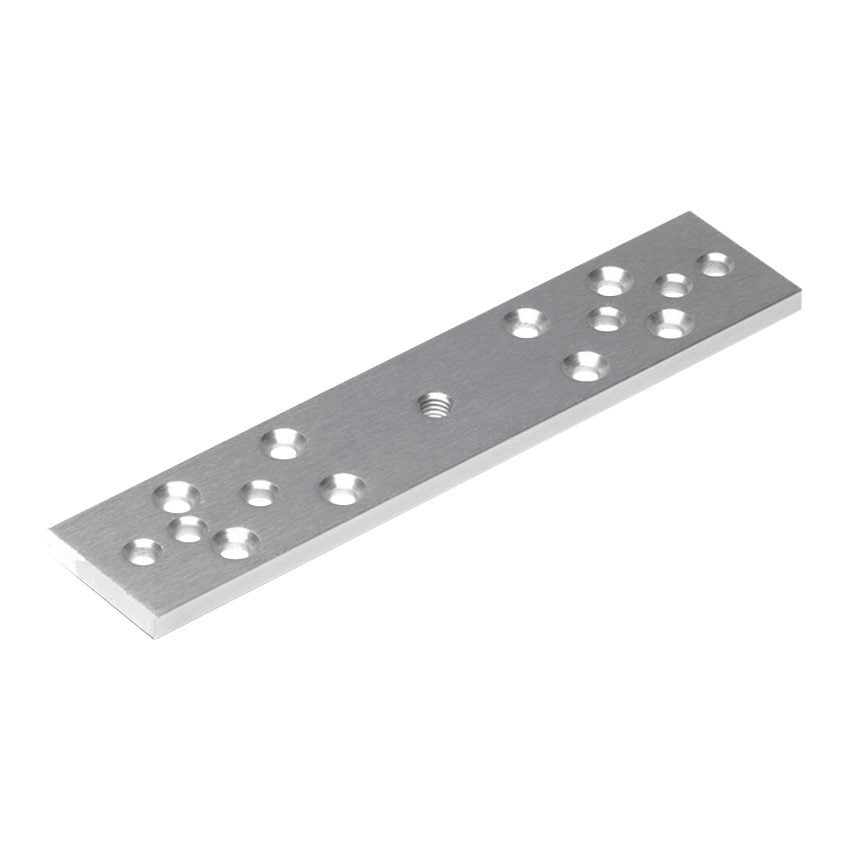


A Specifier's Guide to ICS Maglocks: Matching Magnets, Brackets, and Architectural Housings
In modern commercial access control systems, electromagnetic locks (maglocks) are among the most reliable locking solutions available. Because they operate without moving mechanical parts, maglocks offer rapid release, exceptional durability under high traffic, and inherent fail-safe operation - unlocking automatically when power is removed or an emergency fire alarm is triggered.
However, specifying a complete maglock installation involves much more than simply picking a magnet. Door orientation, door frame geometry, aesthetic requirements, and overhead safety considerations all dictate which brackets, armature housings, and lock bodies you need. UK hardware specialist ICS Security manufactures a comprehensive range of magnetic locking hardware designed to overcome these real-world fitting challenges.
This buying guide walks through the essential factors when selecting ICS electromagnetic locks and mounting accessories for commercial and public buildings.
1. Selecting the Right Holding Force and Form Factor
The first step in specifying an ICS maglock is determining the required holding force and body configuration based on the door type and traffic level.
- Mini (Slimline) Magnets (~272kg / 600lbs holding force): Compact surface-mounted units ideal for low-to-medium security internal timber, aluminium, or office doors. Their slim profile reduces frame overhang without sacrificing holding strength.
- Standard Magnets (~544kg / 1200lbs holding force): Heavy-duty units designed for high-traffic external doors, perimeter entrances, and commercial properties requiring maximum resistance to physical forcing.
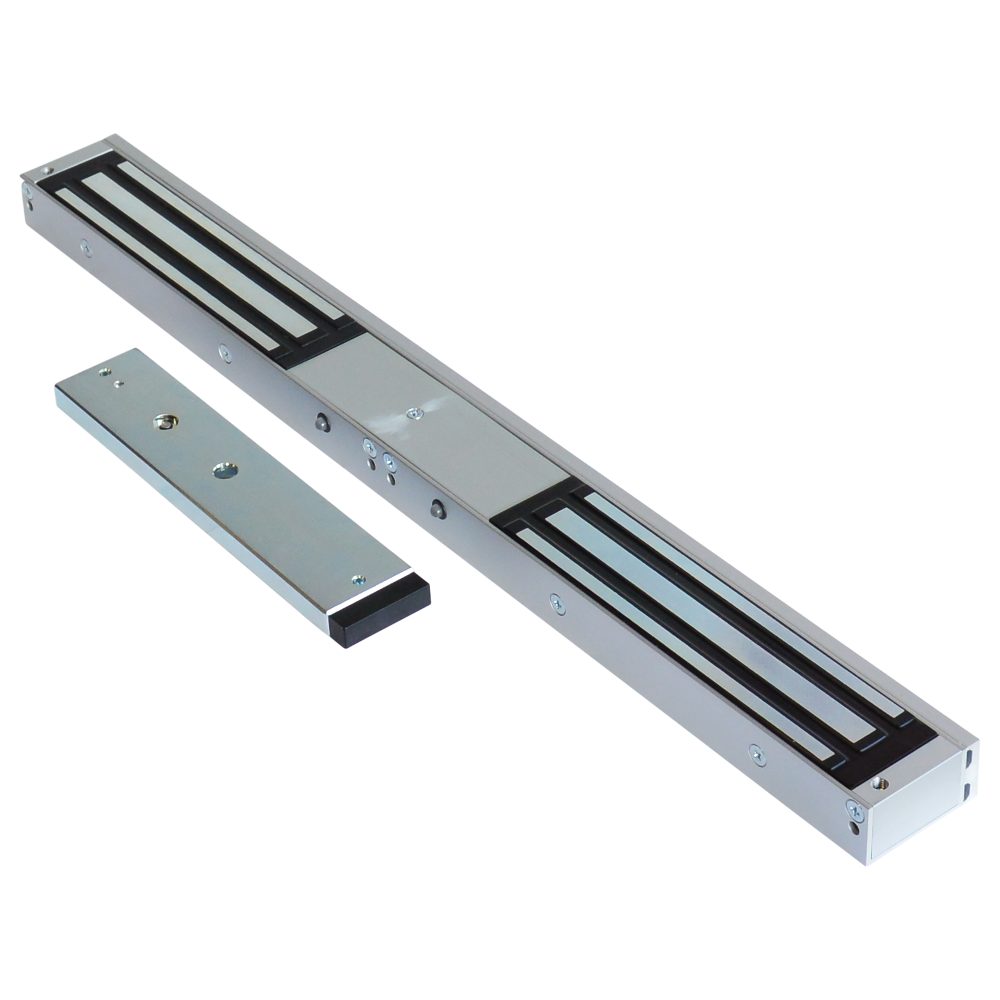
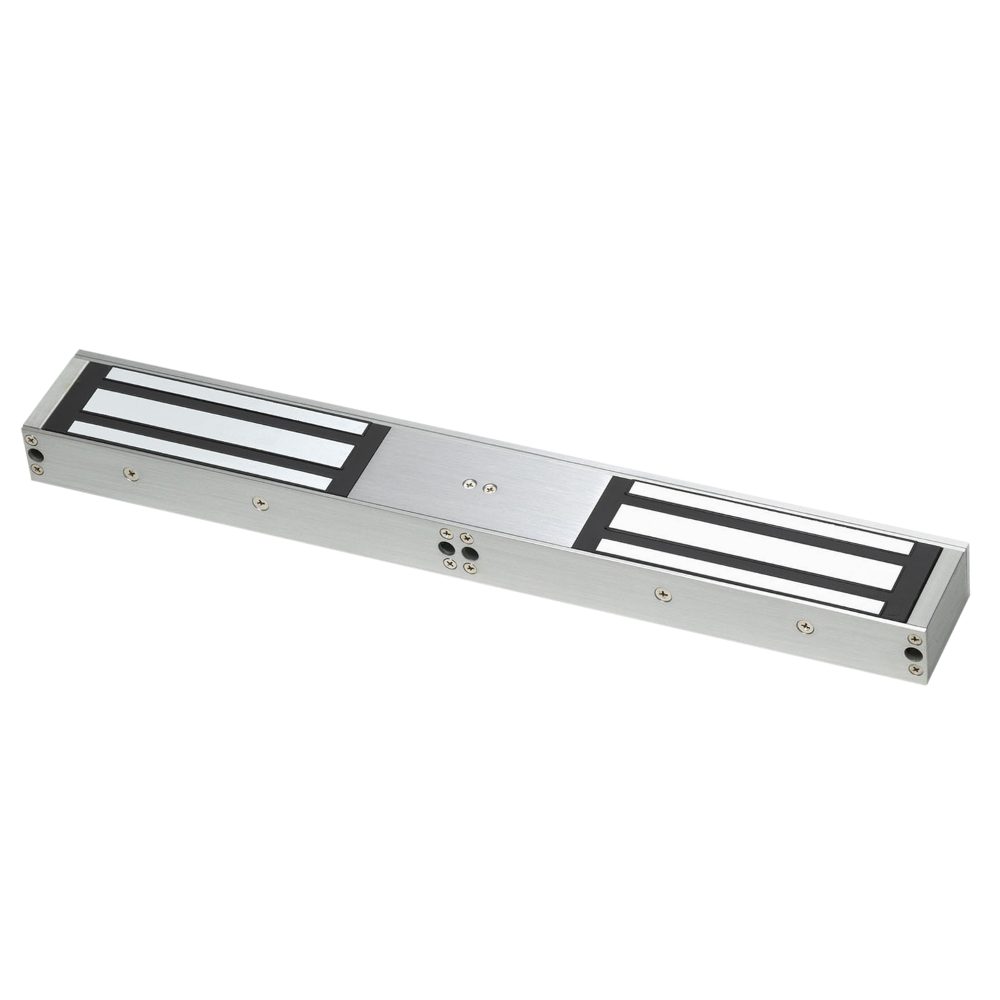
- Double Magnets: Dual-lock bodies engineered specifically for double-leaf doors, powered via a central wiring point for neat trunking and reduced installation time.
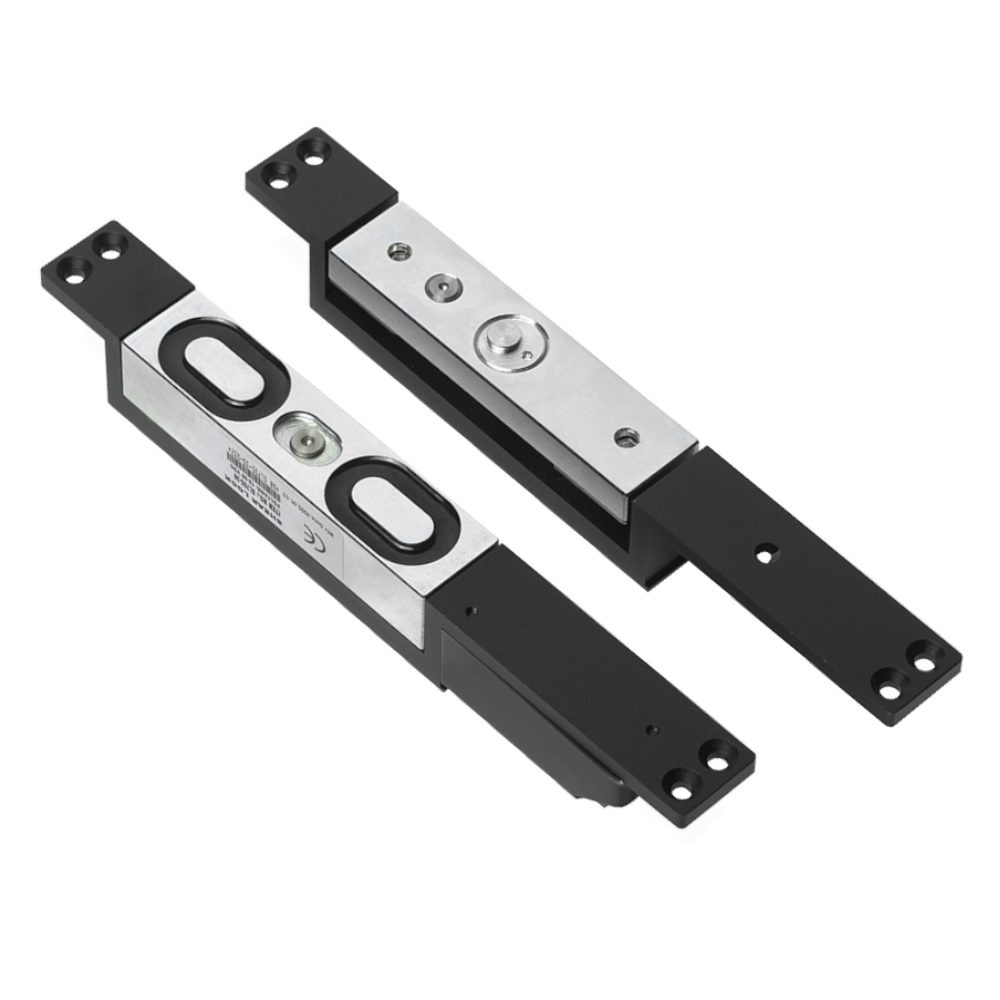
- Shear Magnets: Concealed units morticed horizontally into the door frame header and top edge of the door leaf. Shear magnets rely on both magnetic attraction and interlocking mechanical pins, providing robust security while remaining completely hidden when the door is closed - ideal for double-swing or aesthetically sensitive entrances.
Featured products
4 items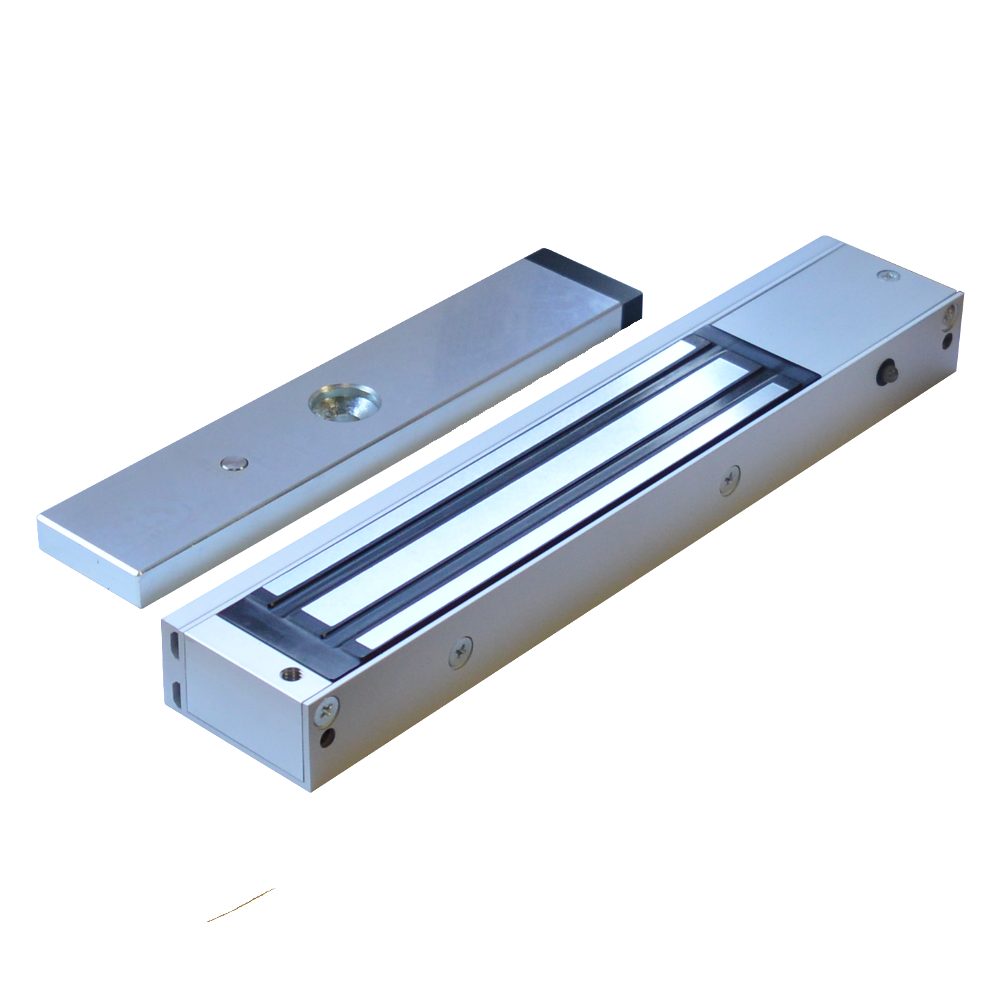
2. Navigating Door Handing: L-Brackets vs Z&L Brackets
Directly face-mounting a maglock to the frame header only works when the door opens outward (away from the secure side) and the frame has a deep enough rebate. In practice, most architectural doors require dedicated mounting brackets:
Outward-Opening Doors (L-Brackets & Top Plates)
When an outward-opening door frame lacks sufficient depth to host the magnet body, an L-Bracket (such as the ICS U300CL) acts as an extended mounting shelf. For narrow transoms, an Extended Top Plate (such as the ICS 01EXTP) widens the fixing area to ensure a solid anchor.
Inward-Opening Doors (Z&L Brackets)
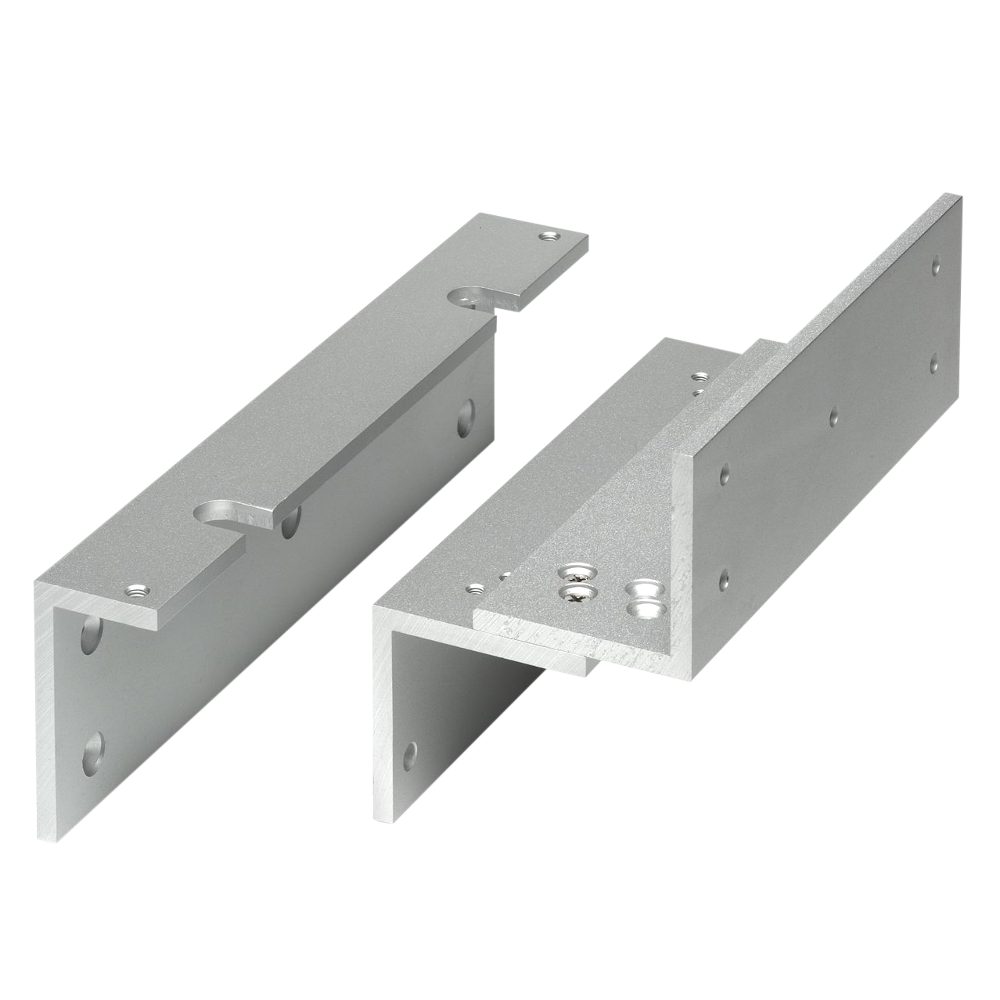
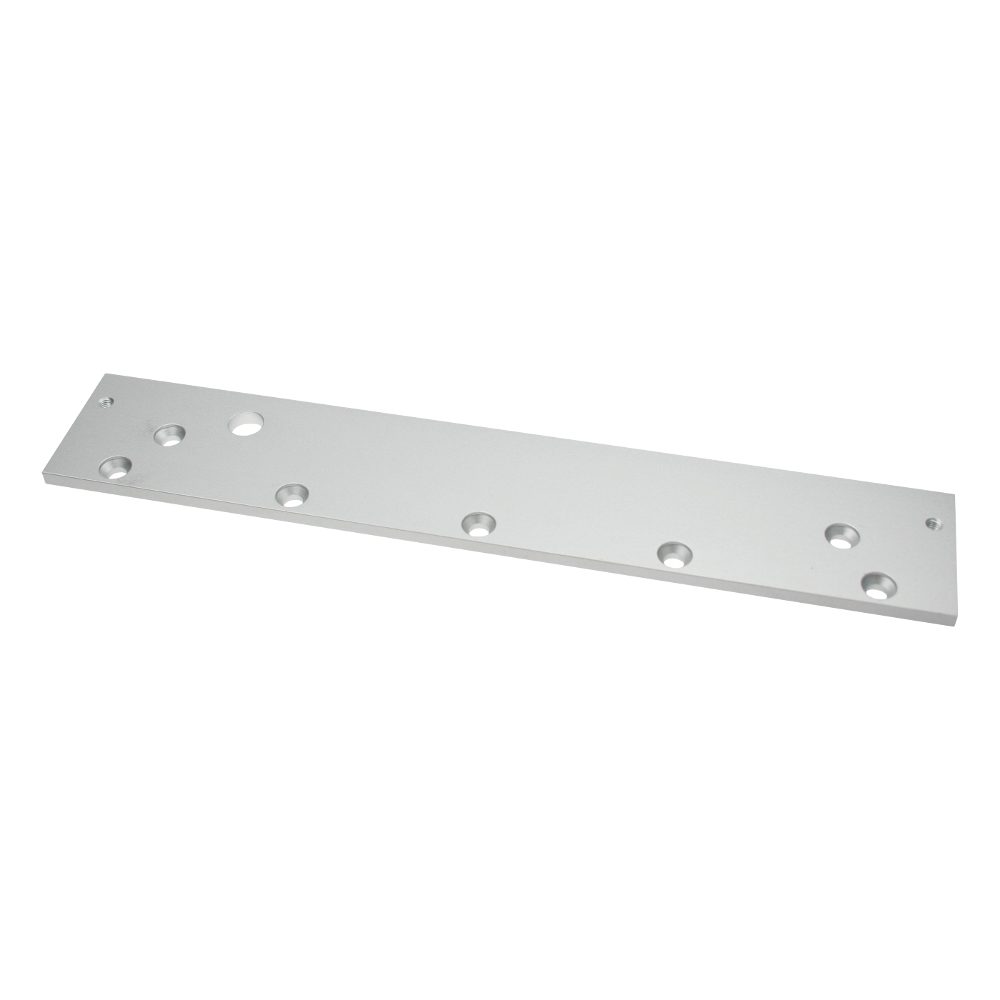
For inward-opening doors, the magnetic lock body must be installed inside the secure room on the frame header, while the armature plate is mounted to the inner face of the door leaf. A Z&L Bracket Set bridges this gap: the 'L' section holds the magnet to the frame, while the adjustable 'Z' section holds the armature plate clear of the door face so it aligns flat against the magnet.
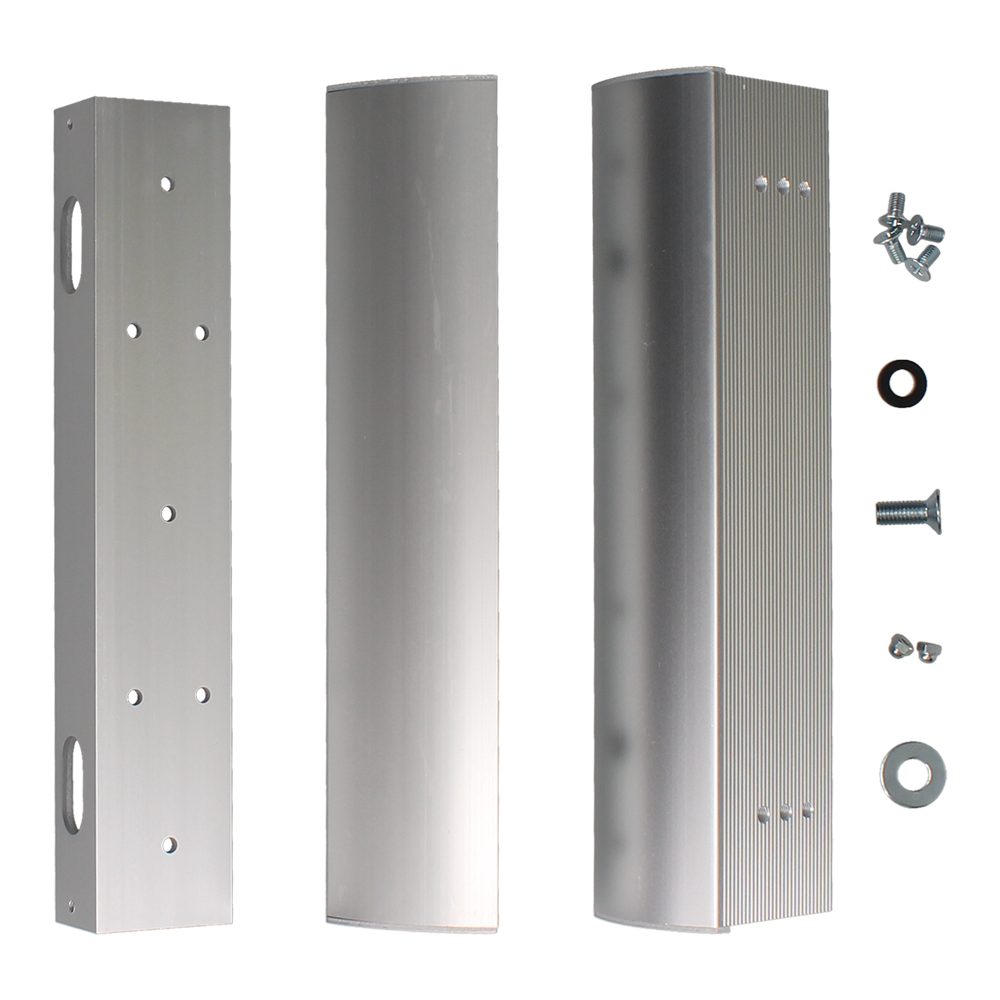
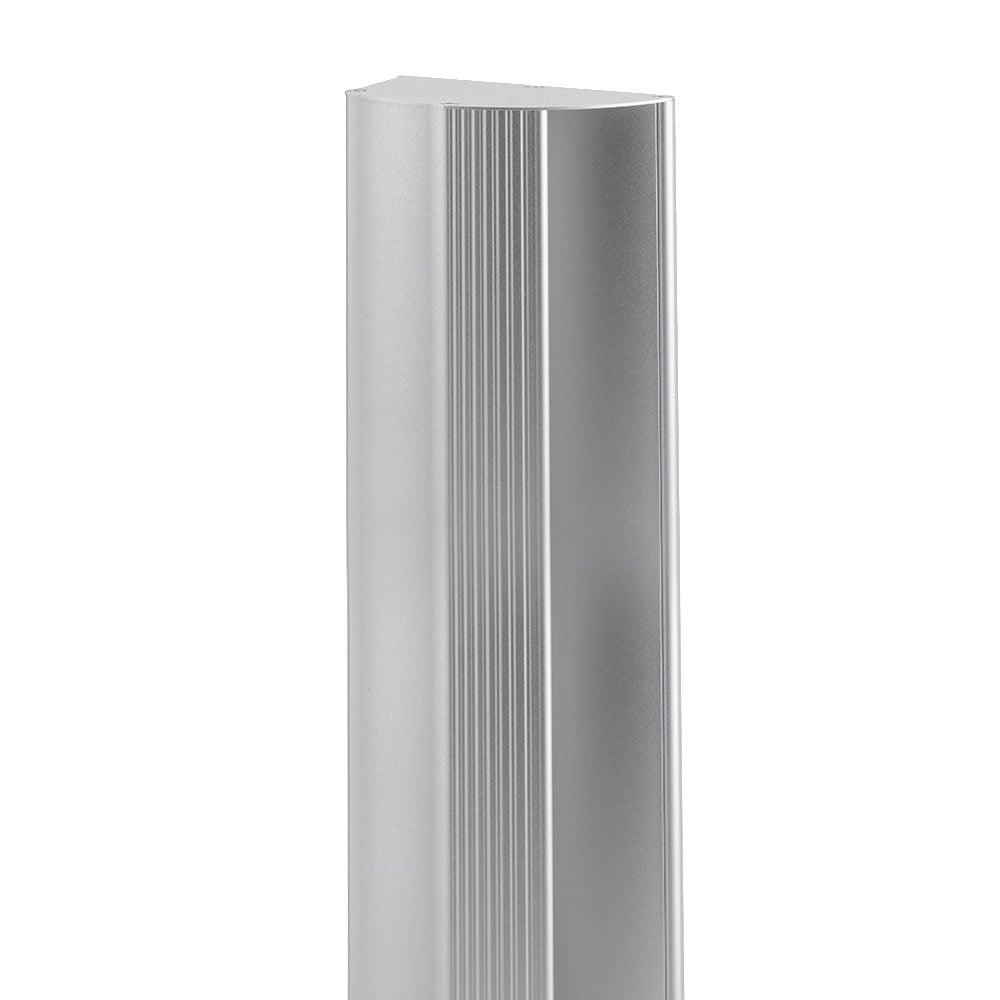
For high-spec office interiors where exposed metal brackets might look unsightly, ICS offers Architectural Cover Z&L Sets (such as the 300ZLDC and 500ZLDC), which encase raw fixings in clean, anodised aluminium housing.
Featured products
5 items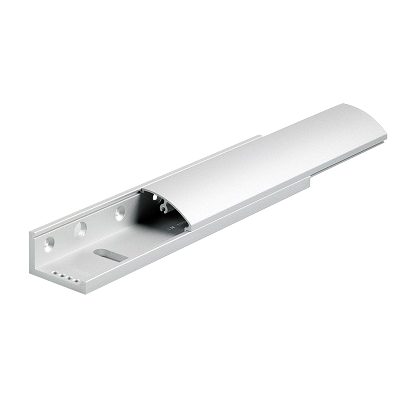
3. Armature Housings, Pull Handles, and Overhead Safety
Beyond basic mounting brackets, completing a professional maglock setup often requires specialized accessories for clean aesthetics and user safety.
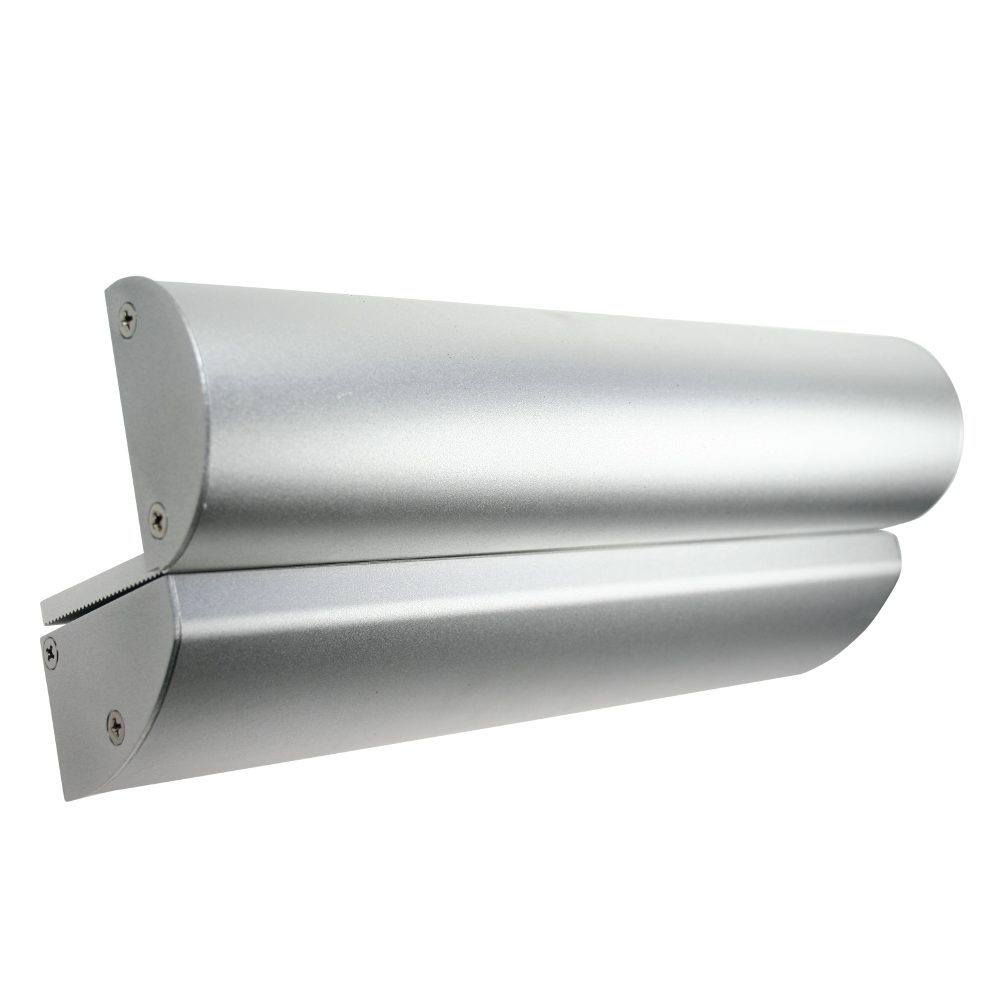
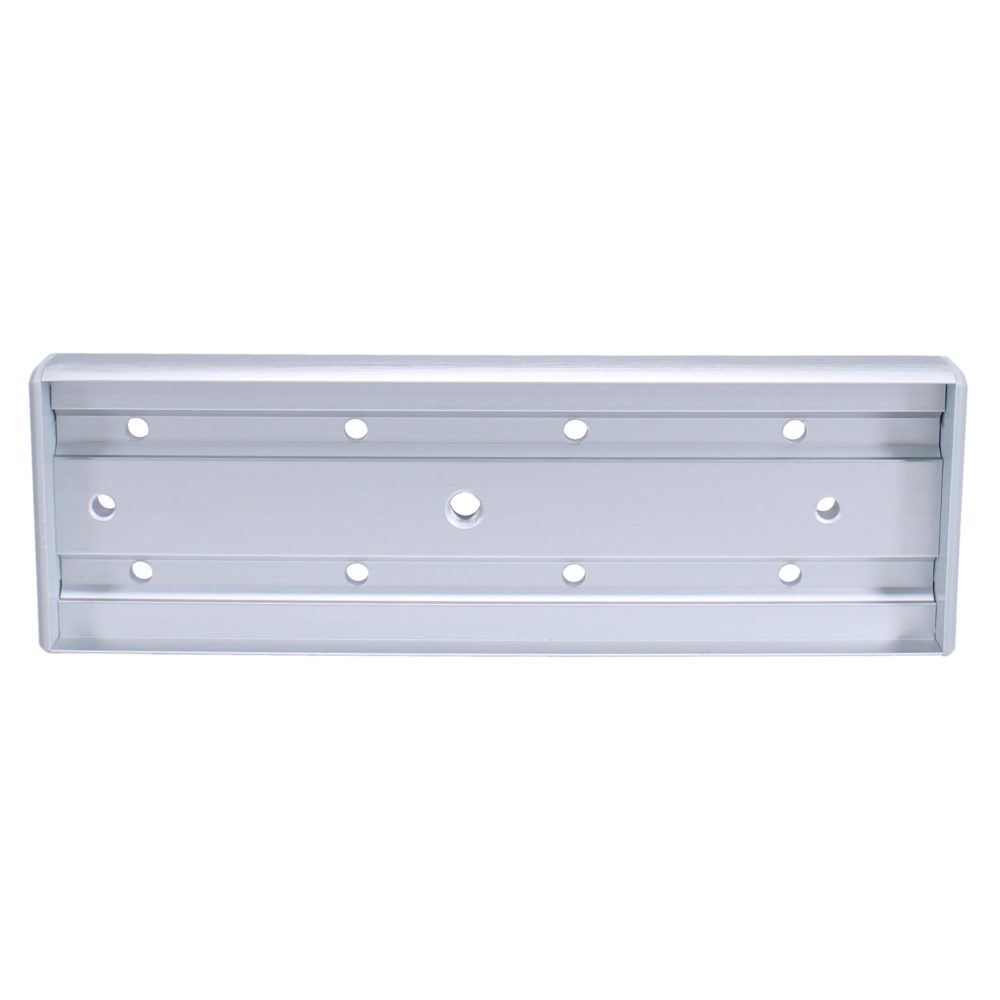
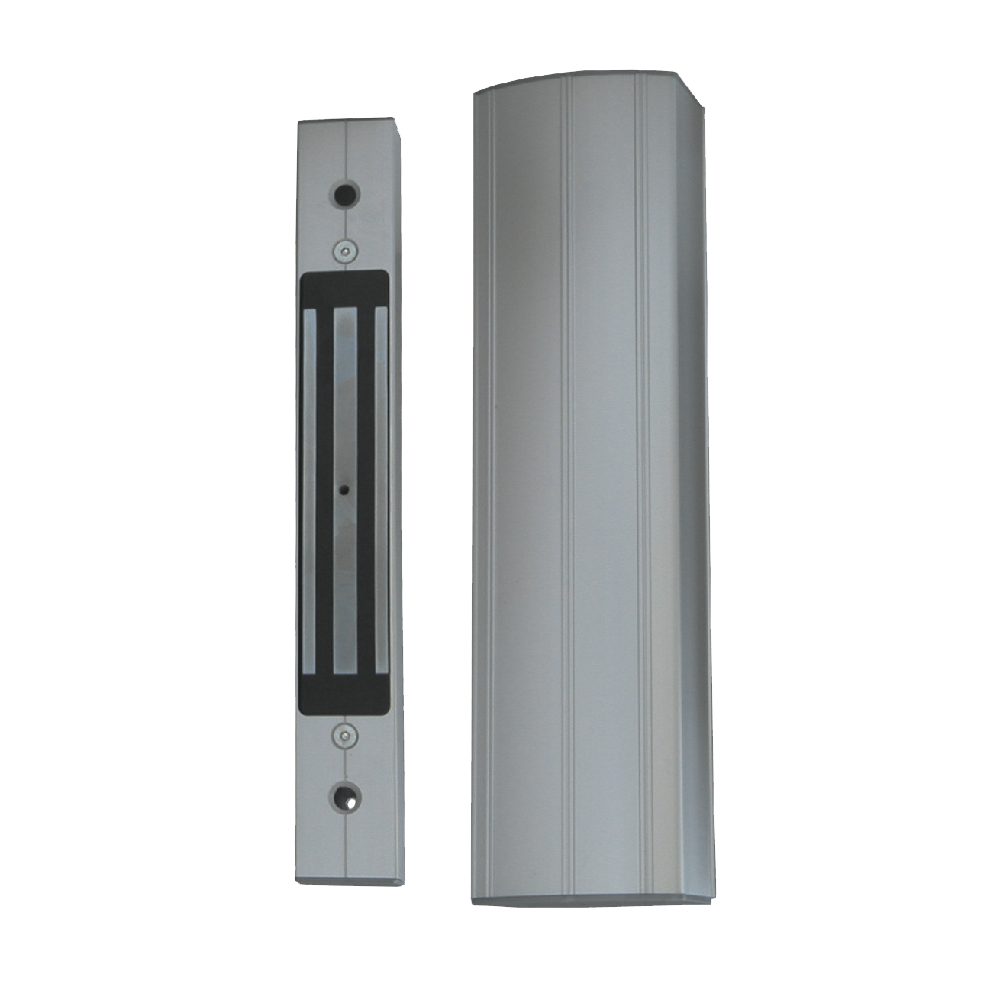
- Surface Armature Housings: Mounting an armature plate onto glass doors or narrow stile timber doors using traditional bolt-through fixings can ruin door aesthetics. ICS surface armature housings enclose the armature plate within a neat aluminium body, enabling secure surface-mounting without through-bolts.
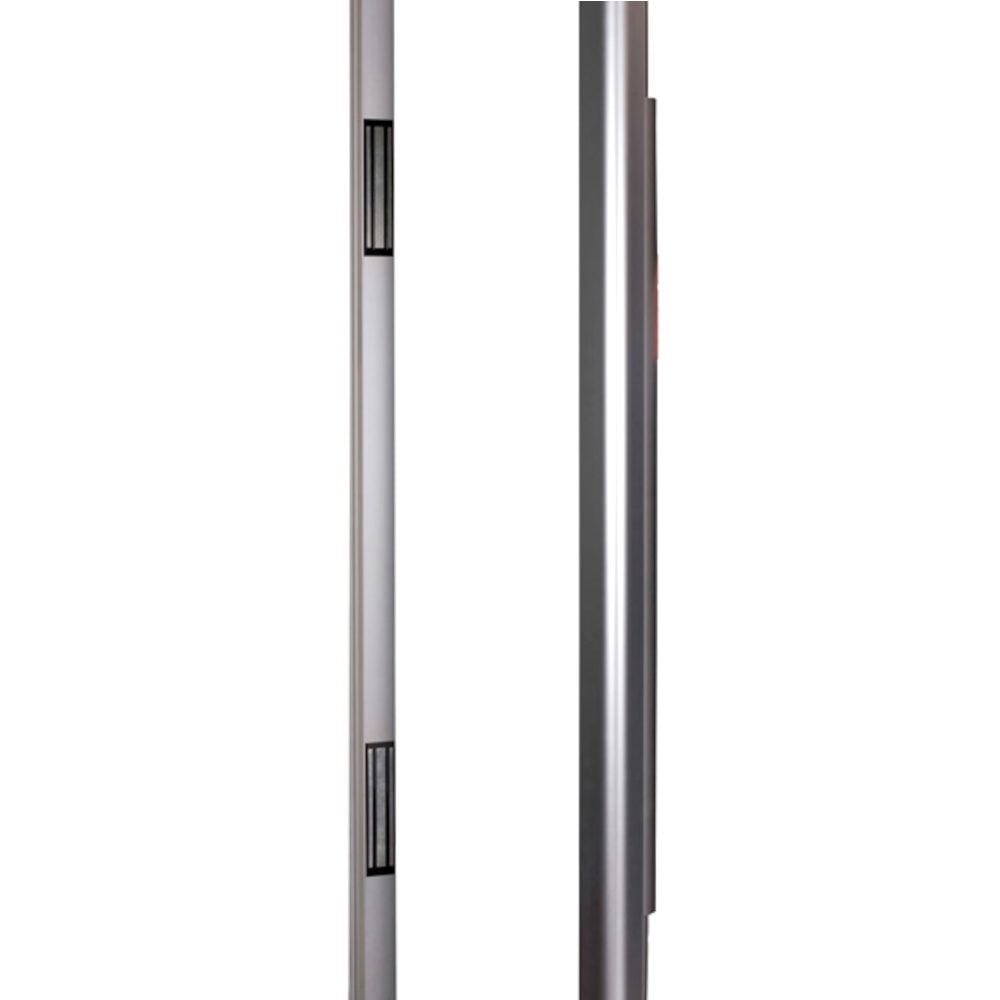
- Magnetic Pull Handles: Combining robust electromagnetic locking with full-length architectural door handles, units like the ICS PH450 single handle and PH800/PH900 full-height double handles provide an ultra-sleek solution for modern entrance doors.
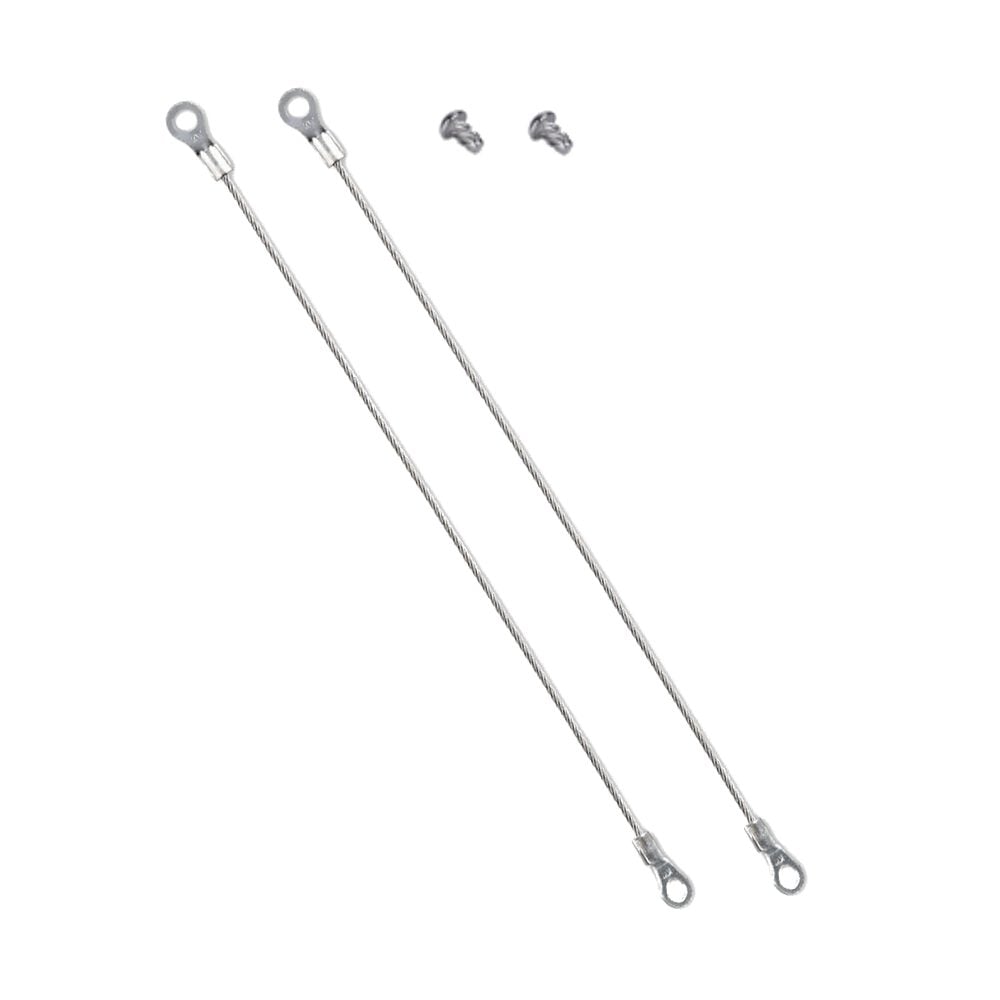
- Safety Straps (MAG-55): In high-vibration environments or heavy-traffic public doors, an secondary safety strap is a vital risk-mitigation measure. The ICS MAG-55 steel safety strap secures the overhead magnet or armature to the structural frame, preventing heavy components from falling if mounting screws loosen over time.
Featured products
6 items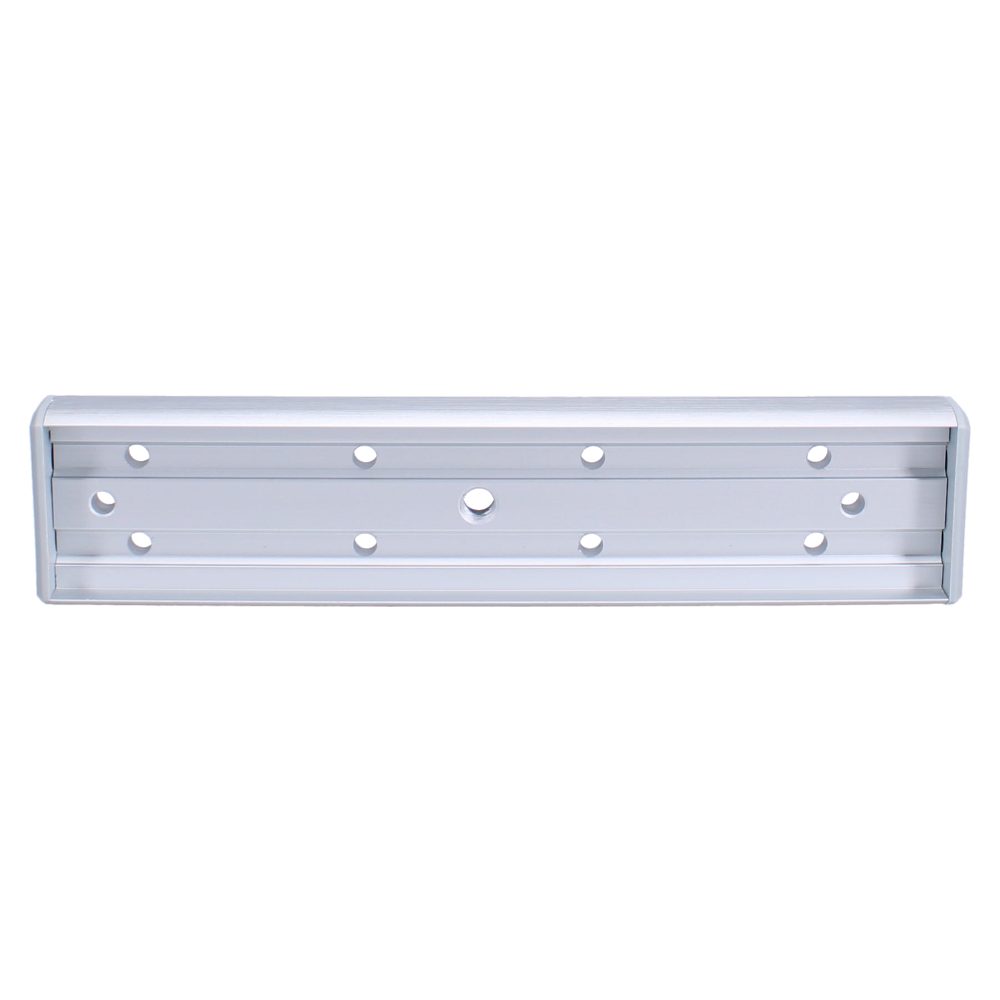
4. Specifying Door Status Monitoring (DS) and Power
When connecting maglocks into access control panels, building control units, or alarm monitoring software, choose units with Door Status Monitoring (DS) or Monitored outputs (such as the ICS U10002-DSU or U10005DS). Monitored magnets include built-in reed switches and hall-effect sensors that detect whether the armature is magnetically bonded and whether the door leaf is physically closed.
Most ICS maglocks feature field-selectable 12V DC / 24V DC dual voltage operation, allowing installer flexibility depending on power supply unit (PSU) distance and current draw requirements.
Explore our full selection of ICS access control solutions to find the right hardware for your building project:
ICS
Popular picks from this category.