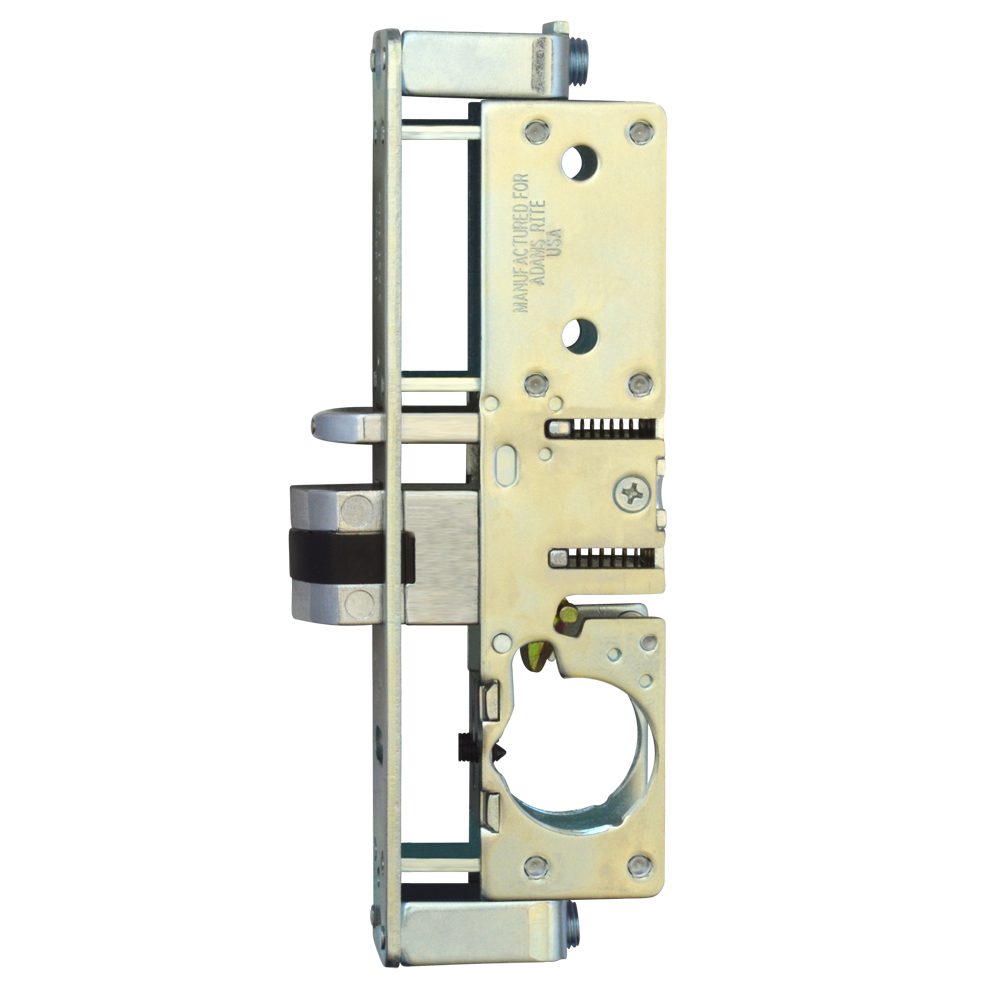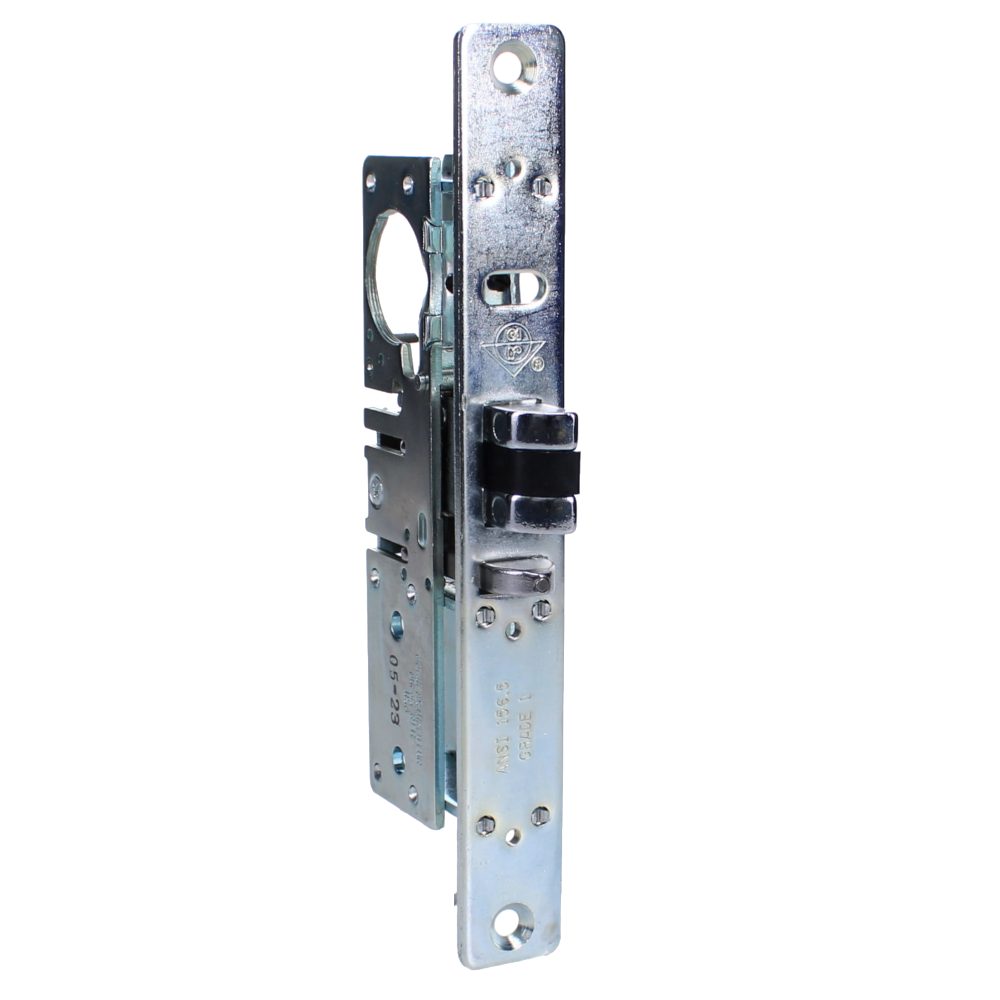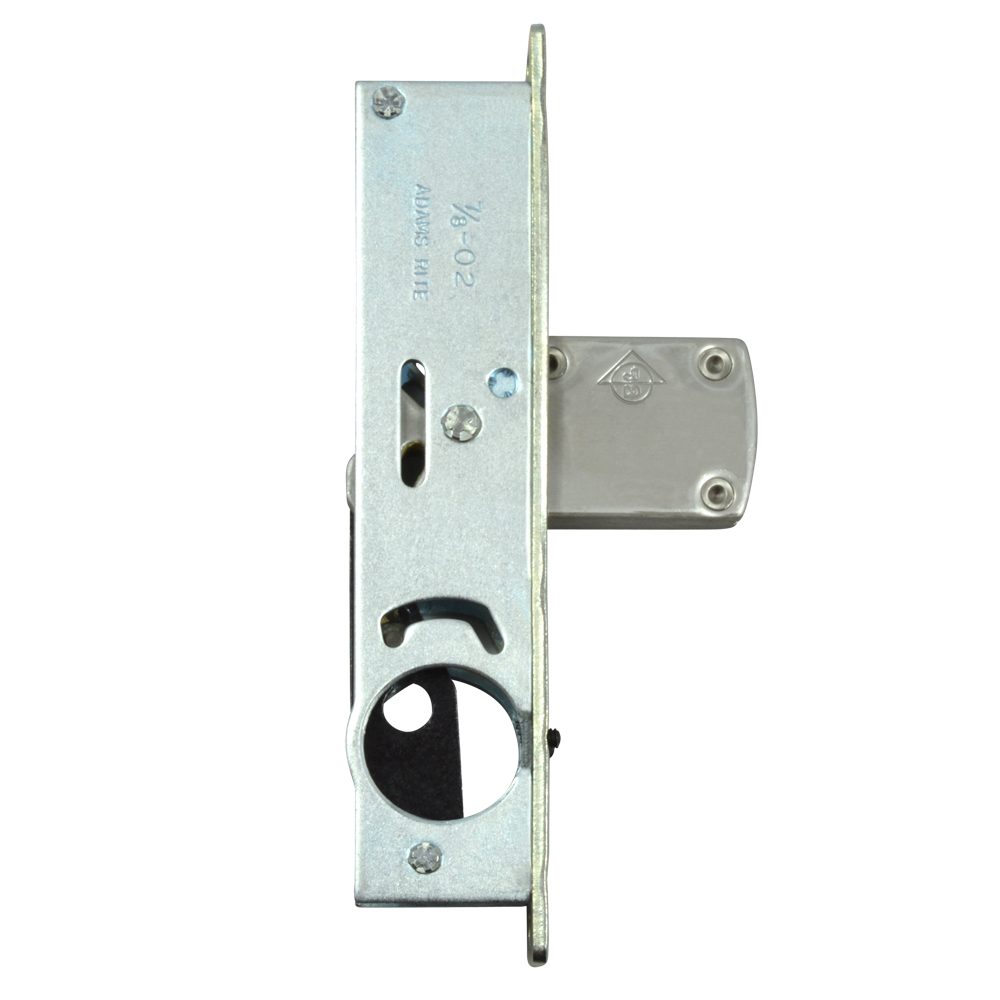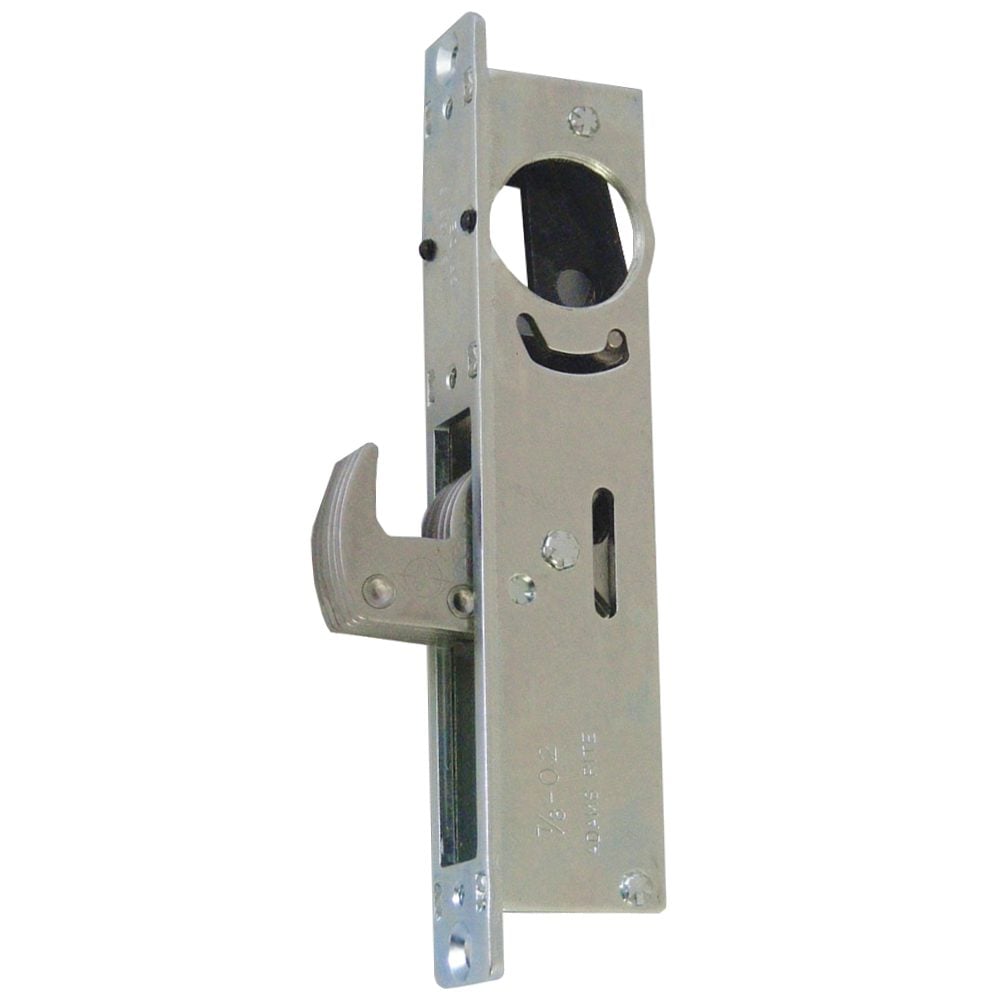

A Guide to the Alpro 5218 Screw-In Mortice Deadlock Barbolt Case
Commercial premises - ranging from high-street retail shops to modern office blocks - present unique security challenges. Shopfronts and entrance doors are frequently constructed from narrow-stile aluminium profiles. These doors require specialised, compact locking mechanisms that can fit within a slim frame without compromising on physical strength.
If you are looking to upgrade or replace the lock on a commercial aluminium door, the Alpro 5218 Screw-In Mortice Deadlock Barbolt Case is a highly reliable, industry-standard solution. In this guide, we will explore the key features of this robust deadlock, explain how to choose the correct model for your door, and compare it to other common metal door locking options.
What is the Alpro 5218 Barbolt Deadlock?
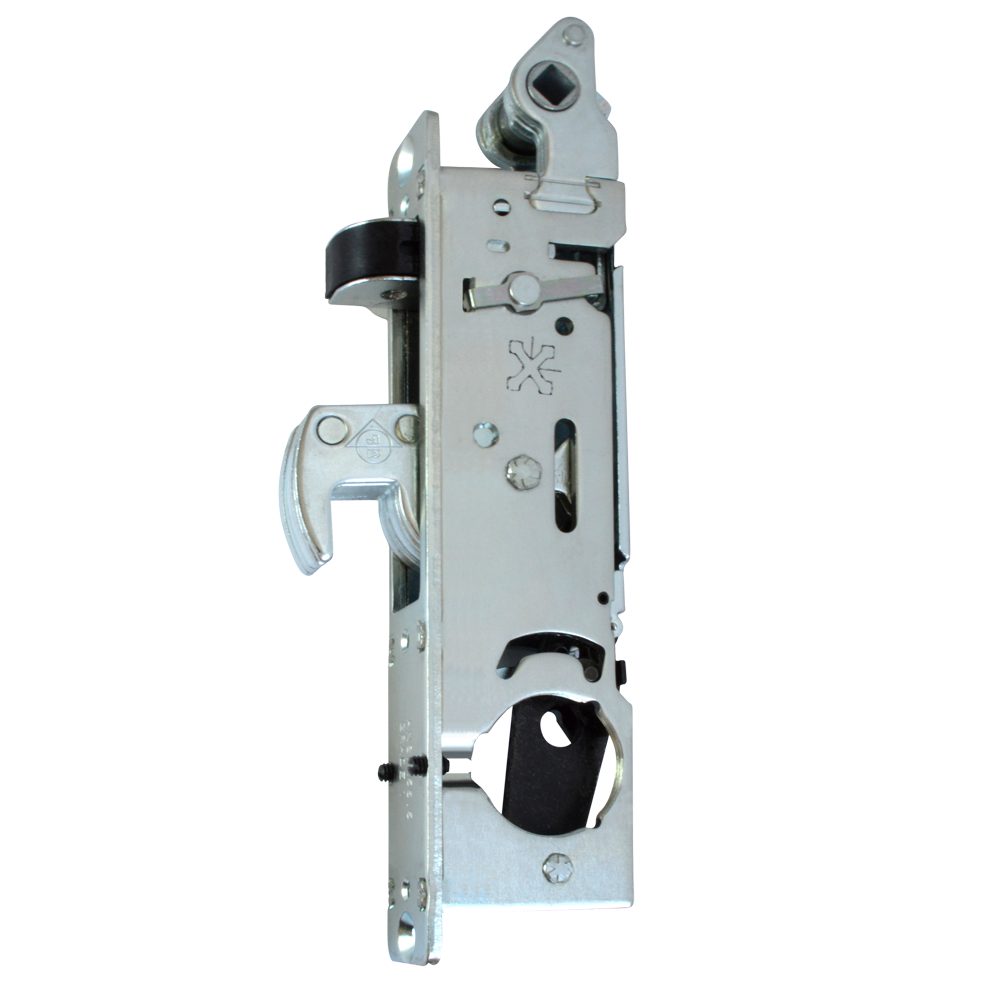
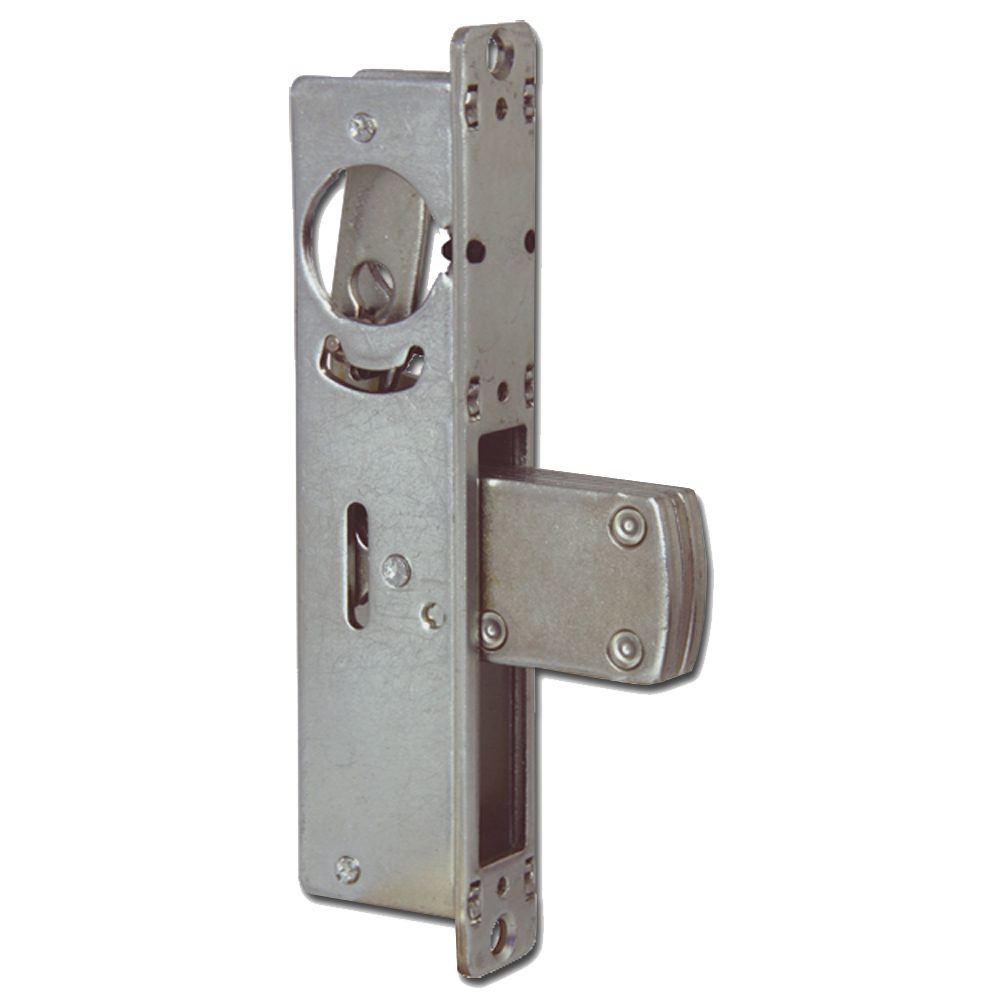
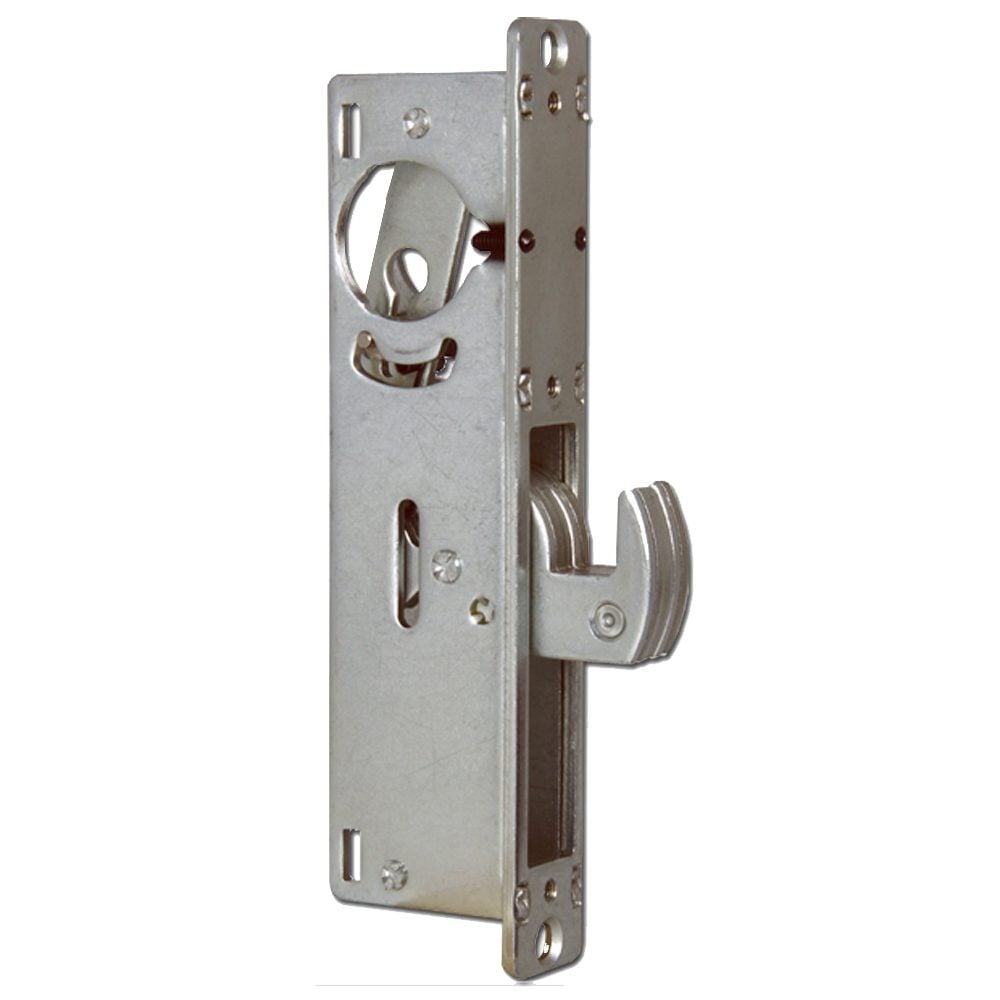
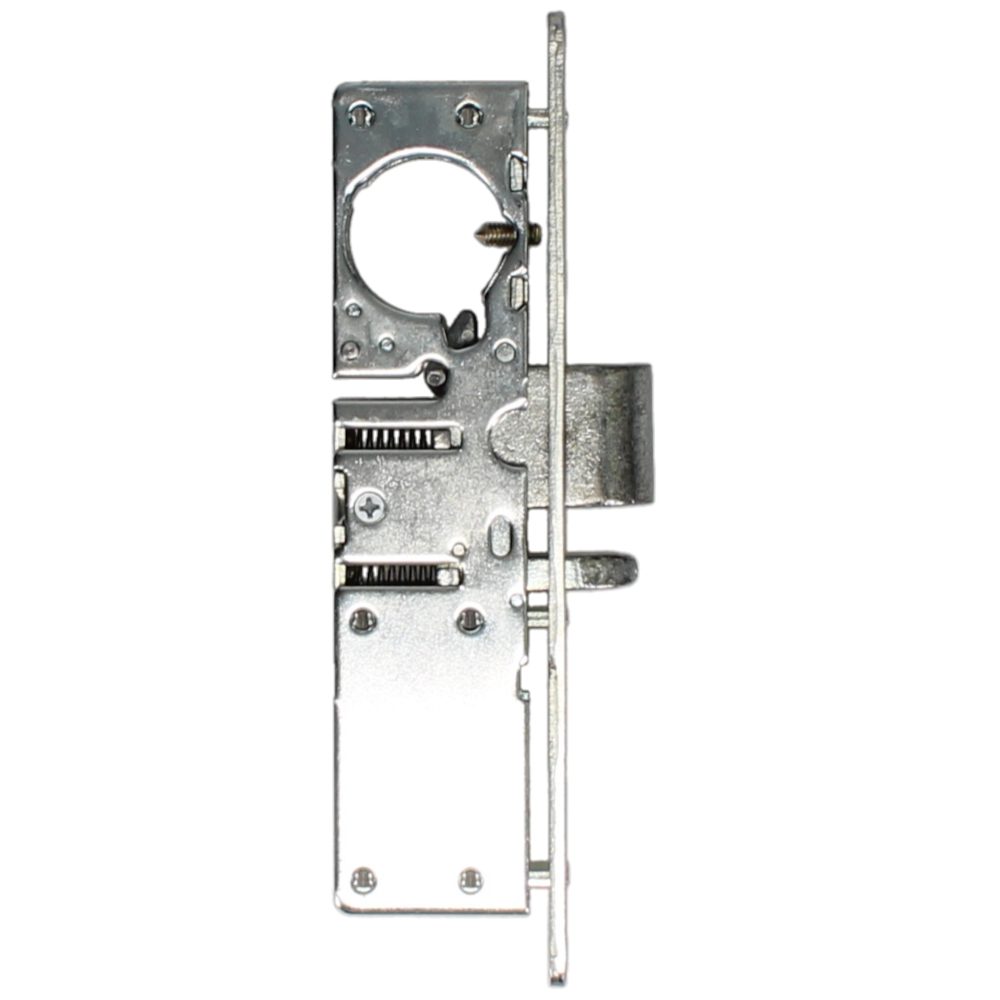
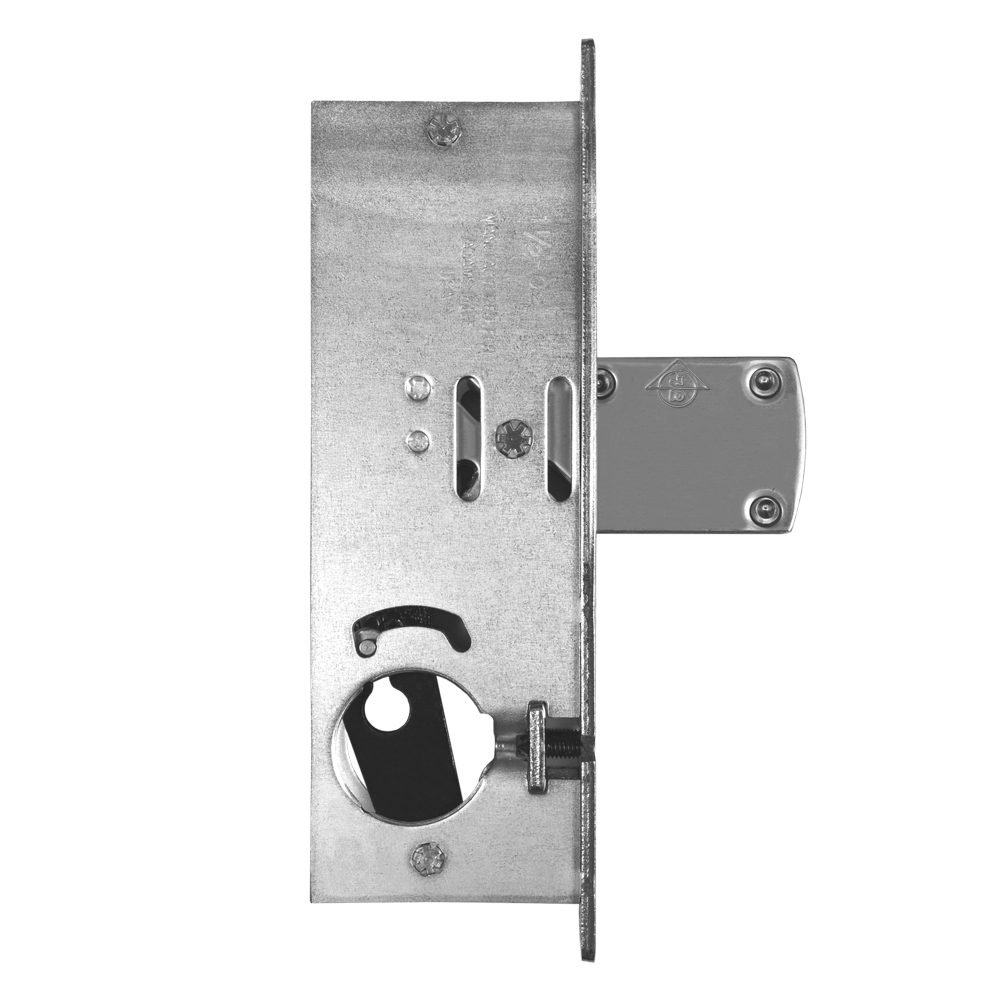
The Alpro 5218 is a narrow-stile mortice deadlock case designed specifically for metal doors. It is operated by a standard threaded screw-in cylinder (also known as a round mortice cylinder) or a thumbturn, which screws directly into the lock case and is secured in place.
Unlike standard residential mortice locks that use a solid brass or steel bolt, the Alpro 5218 features a "barbolt" mechanism. When locked, a heavy-duty bolt throws horizontally into the door frame, providing a deep, secure hold that resists physical attack.
Featured products
1 items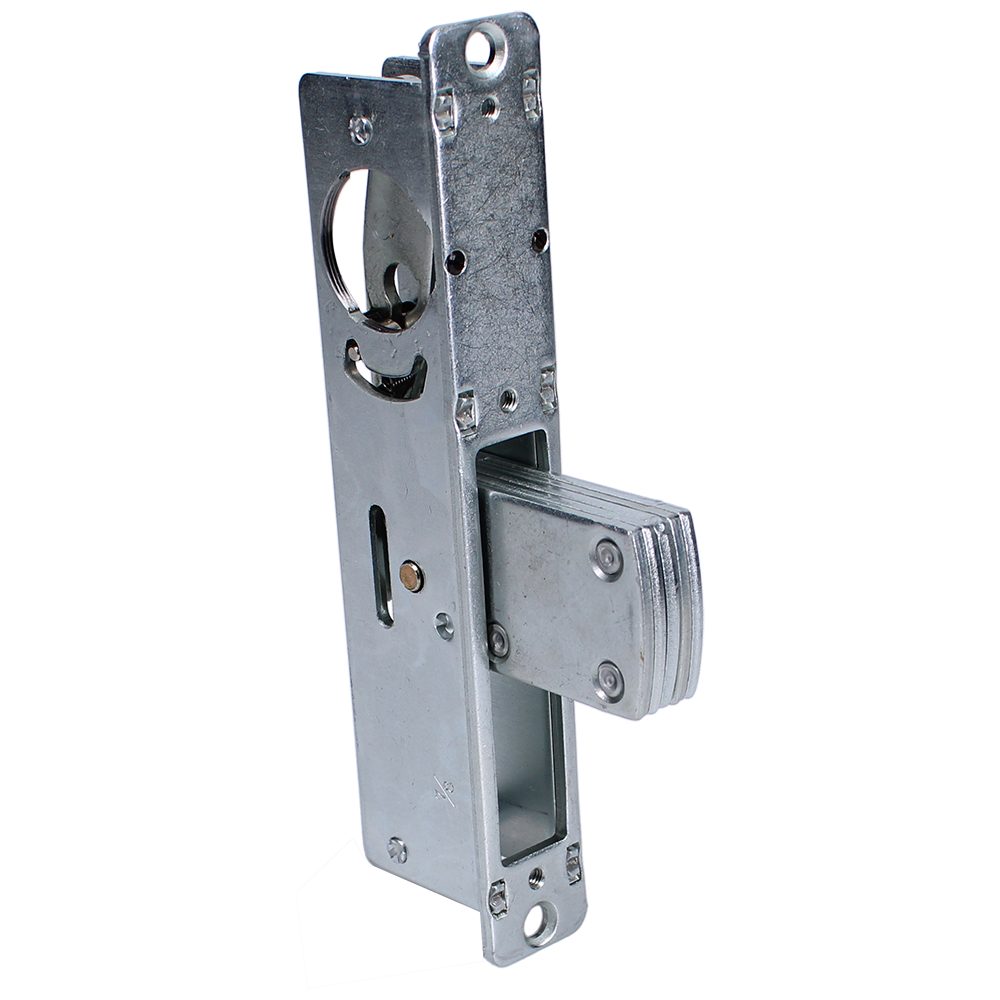
Key Security Features
Alpro has engineered the 5218 series to withstand aggressive forced entry attempts. Its design incorporates several key defensive features:
- 5-Ply Laminated Stainless Steel Bolt: The bolt is not a single piece of cast metal. Instead, it is constructed from five layers of laminated stainless steel. This laminated design makes the bolt incredibly tough and flexible, preventing it from snapping under pressure.
- Hardened Steel Core & Roll Pin: Inside the laminated bolt sits a hardened steel centre core, complete with a hardened roll pin. This pin is designed to spin freely if an intruder attempts to cut through the bolt with a hacksaw, neutralising the saw's teeth and preventing the bolt from being cut.
- Plated Steel Case: The internal mechanism is housed in a heavy-duty, plated steel case, protecting the delicate working parts of the lock from tampering and drilling.
- Threaded Cylinder Compatibility: The case is designed to accept standard 1 5/32-inch (approx. 29mm) threaded screw-in cylinders. This allows you to choose the exact level of cylinder security you require, whether that is a standard key-to-turn cylinder, a high-security restricted keyway, or an internal thumbturn for easy egress.
Understanding Backsets: How to Measure for a Perfect Fit
When replacing a narrow-stile lock, the most critical measurement is the backset. Because aluminium door stiles are extremely slim, even a millimetre's difference can prevent the lock from fitting or cause the cylinder to misalign.
The backset is the distance from the edge of the lock's faceplate (the forend) to the exact centre of the cylinder keyhole.
The Alpro 5218 is available in several distinct backsets to suit different door profiles. These correspond to precise metric dimensions:
- 22.2mm (7/8")
- 24.6mm (31/32")
- 28.6mm (1 1/8")
- 38.1mm (1 1/2")
Before ordering a replacement case, always remove your existing lock and measure this distance carefully. A precise measurement ensures a straightforward, drop-in replacement without the need to modify the prep cut-outs in the aluminium door.
Barbolt vs. Hookbolt vs. Deadlatch: Which Do You Need?
When browsing metal door locks, you will encounter three main configurations: barbolts, hookbolts, and deadlatches. Choosing the right one depends entirely on your door type and how the building is used.
1. Barbolt (Alpro 5218 Deadlock)
The straight barbolt is the ideal choice for standard swinging doors (either single or double action). When thrown, the straight bolt extends deep into the strike plate in the frame. It provides maximum physical resistance against door-prying attacks on standard hinged doors.
2. Hookbolt (Alpro 5218 Hookbolt)
If you have a sliding aluminium door, a standard straight barbolt will not work because the door could simply be pried sideways or lifted off its track. Instead, you need a hookbolt. The hookbolt swings upwards and hooks into the frame, physically locking the sliding leaf to the jamb and preventing it from being parted.
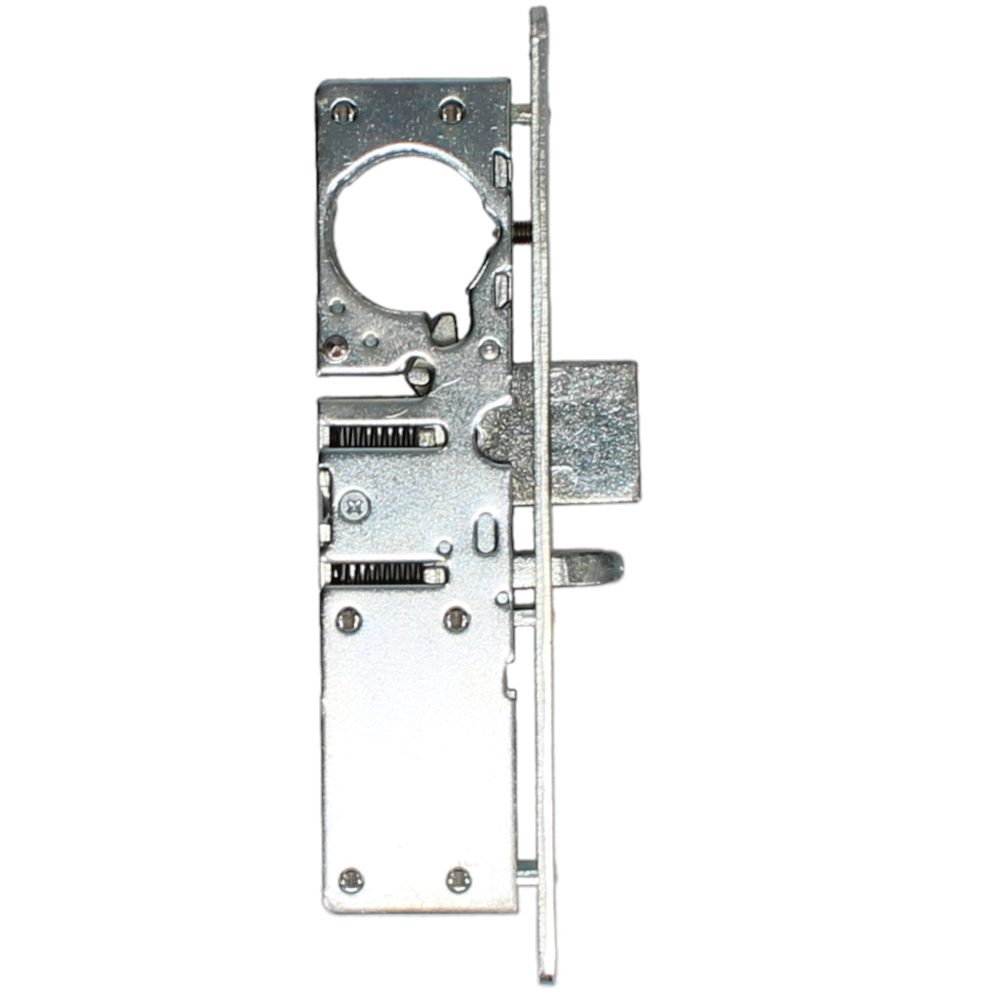
3. Deadlatch (Alpro Deadlatch)
If your commercial door experiences high traffic during the day and needs to latch shut automatically every time it closes, a deadlock is impractical. In this scenario, a deadlatch is used. Deadlatches feature a spring-loaded latch bolt that can be held back during business hours (often using a paddle handle or push bar) and deadlocked automatically when closed. They are also commonly paired with electric strikes for remote access control.
Featured products
3 items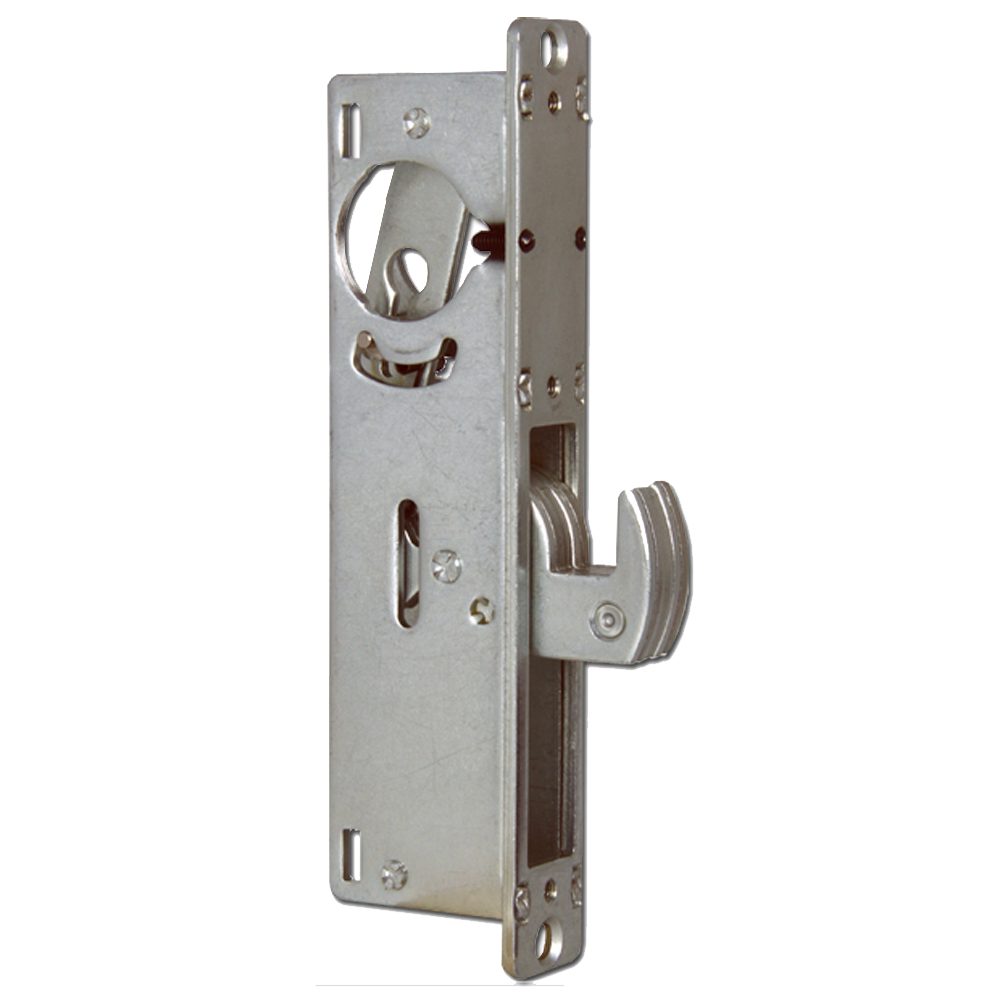
Accessories and Faceplates
It is worth noting that the Alpro 5218 is typically supplied as a "case-only" unit. To complete your installation, you may also need:
- A Faceplate (Forend): Available in flat, radius, or radius-with-weatherstrip profiles to match the edge of your door. These are typically finished in Satin Anodised Aluminium (SAA) to match standard commercial door finishes.
- Mounting Bridges: These small metal brackets assist in securing the lock case inside the hollow aluminium stile.
- Screw-In Cylinders: You will need to select a compatible screw-in cylinder (or a pair of cylinders if key access is required from both sides).
By choosing the Alpro 5218, you are investing in a proven, highly durable physical security barrier that keeps commercial properties secure. Whether you are replacing a worn-out lock or upgrading a shopfront, ensuring you have the correct backset and bolt style will guarantee a secure, professional fit.
Cylinder - Screw In
Popular picks from this category.