
A Guide to Choosing Camlocks: Understanding KD, KA, and Rotation Options
Camlocks are the unsung heroes of everyday security. From office filing cabinets and school lockers to retail display cases and residential post boxes, these compact, versatile locks keep personal belongings and sensitive documents secure.
However, when it comes to replacing an existing lock or fitting out a new suite of office furniture, choosing the right camlock can feel surprisingly complex. With terms like "Keyed to Differ", "Nut Fix", and "90-degree rotation" thrown around, it is easy to get confused.
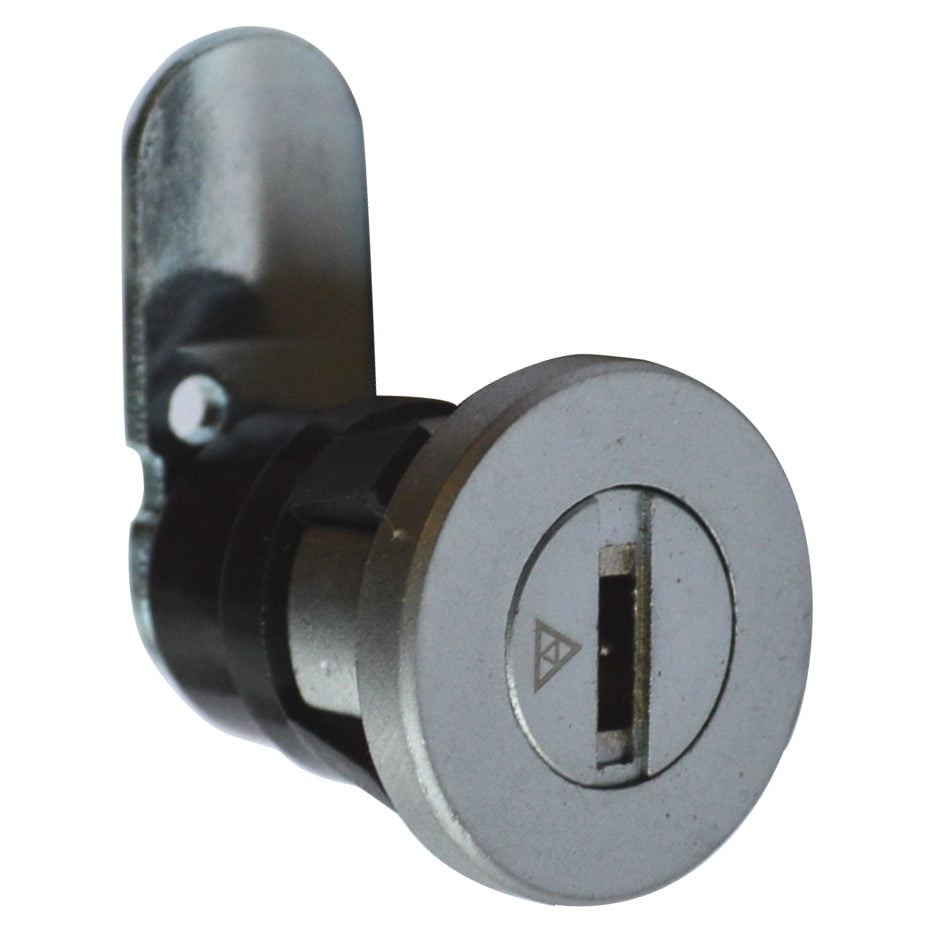
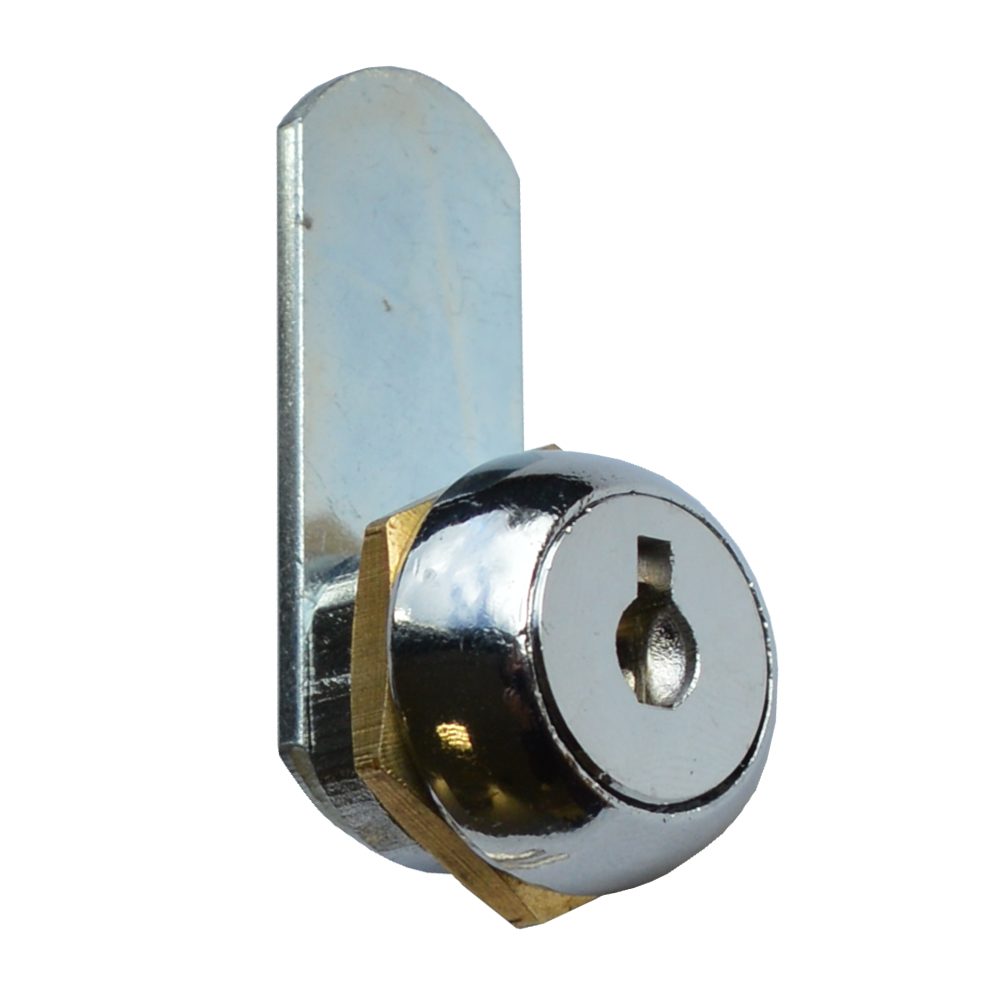
In this guide, we will break down everything you need to know to choose the perfect camlock for your project, focusing on the highly reliable Asec Round KD Nut Fix Camlock 90° and its various configurations.
What is a "Nut Fix" Camlock?
Before looking at keying options, it helps to understand how a camlock is secured to a door or drawer. There are two primary mounting styles: snap-fix and nut-fix.
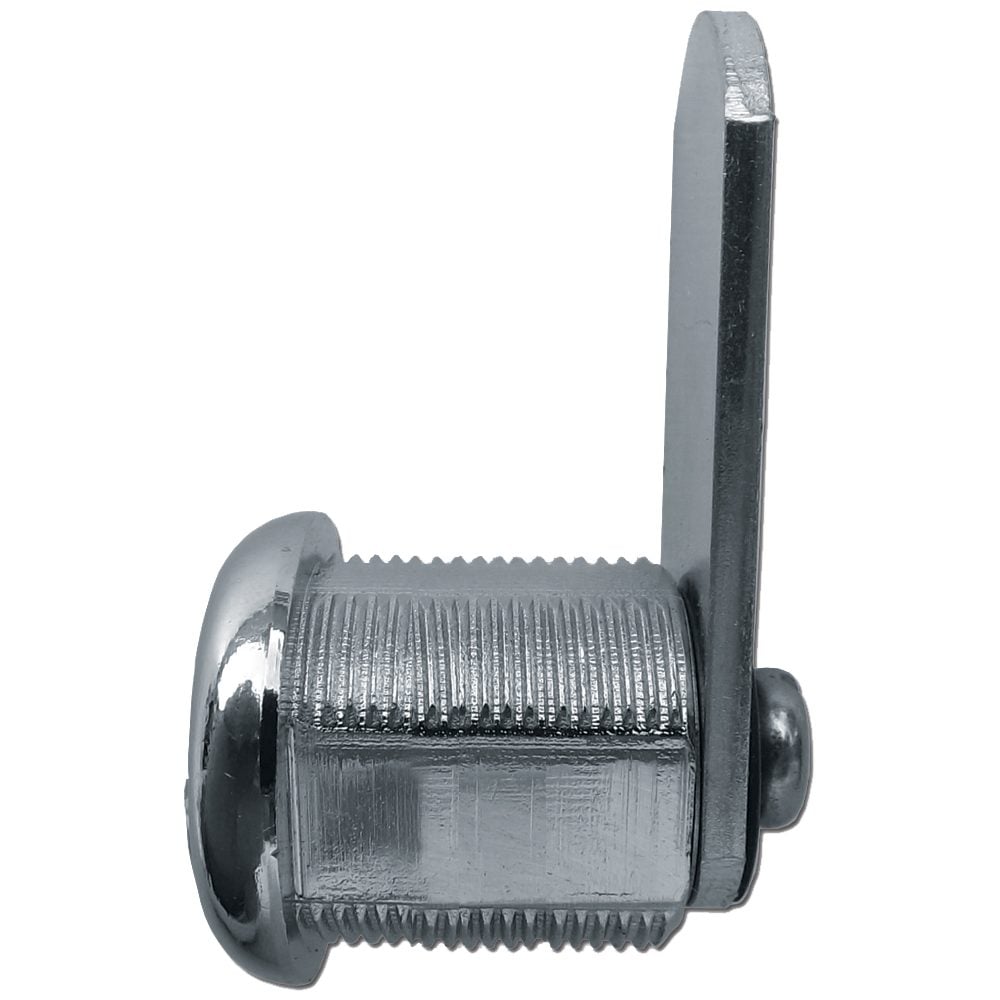
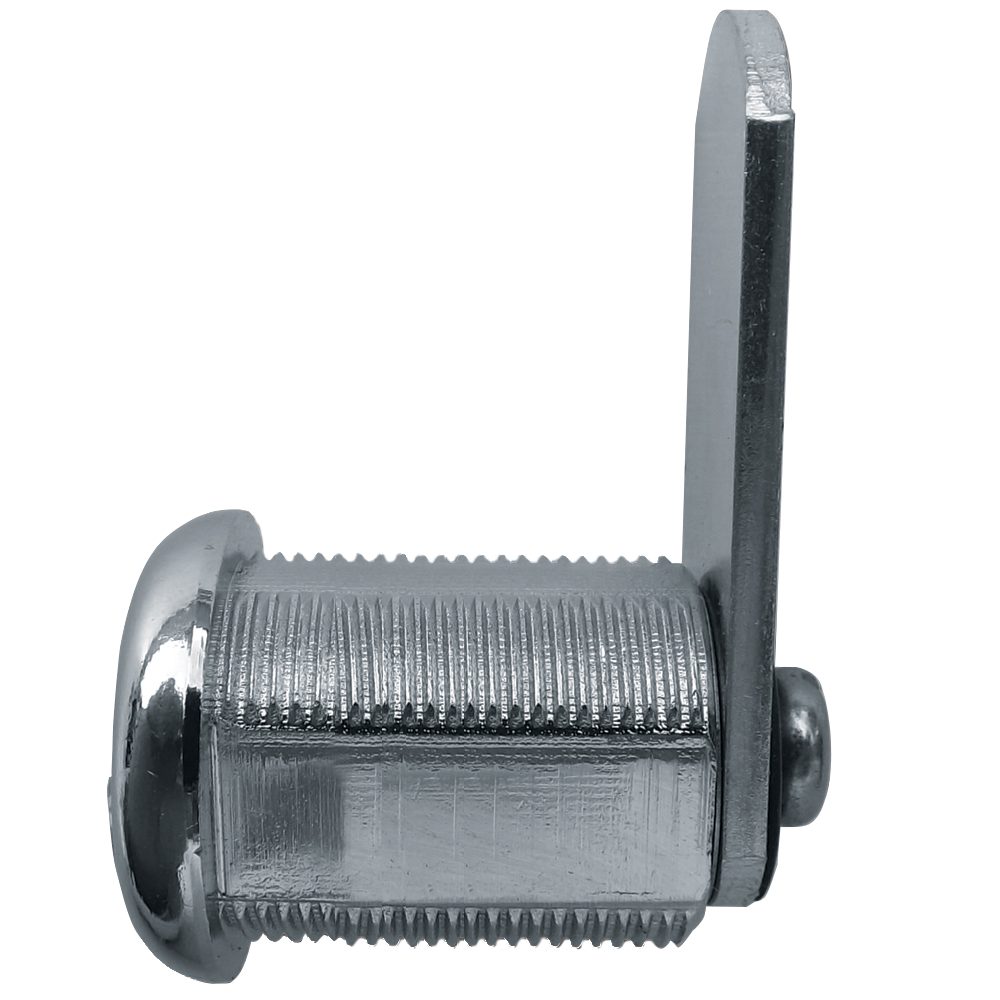
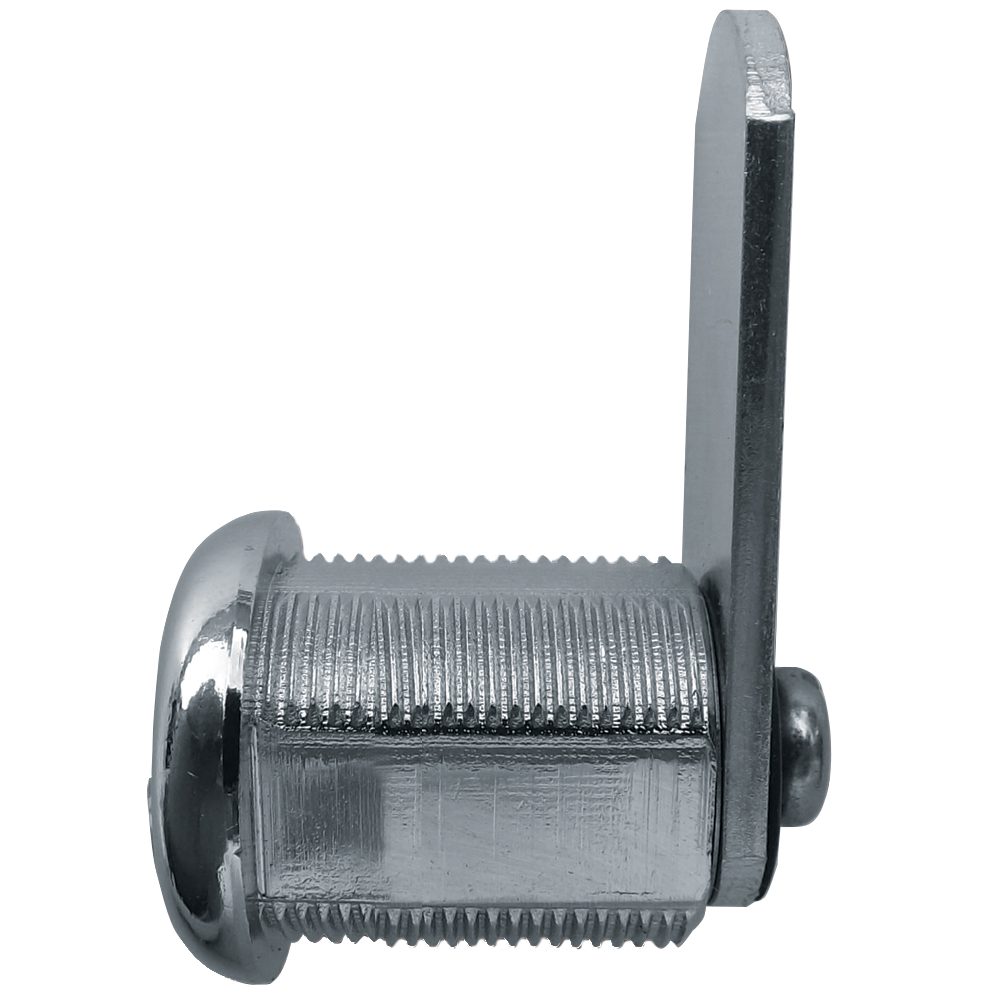
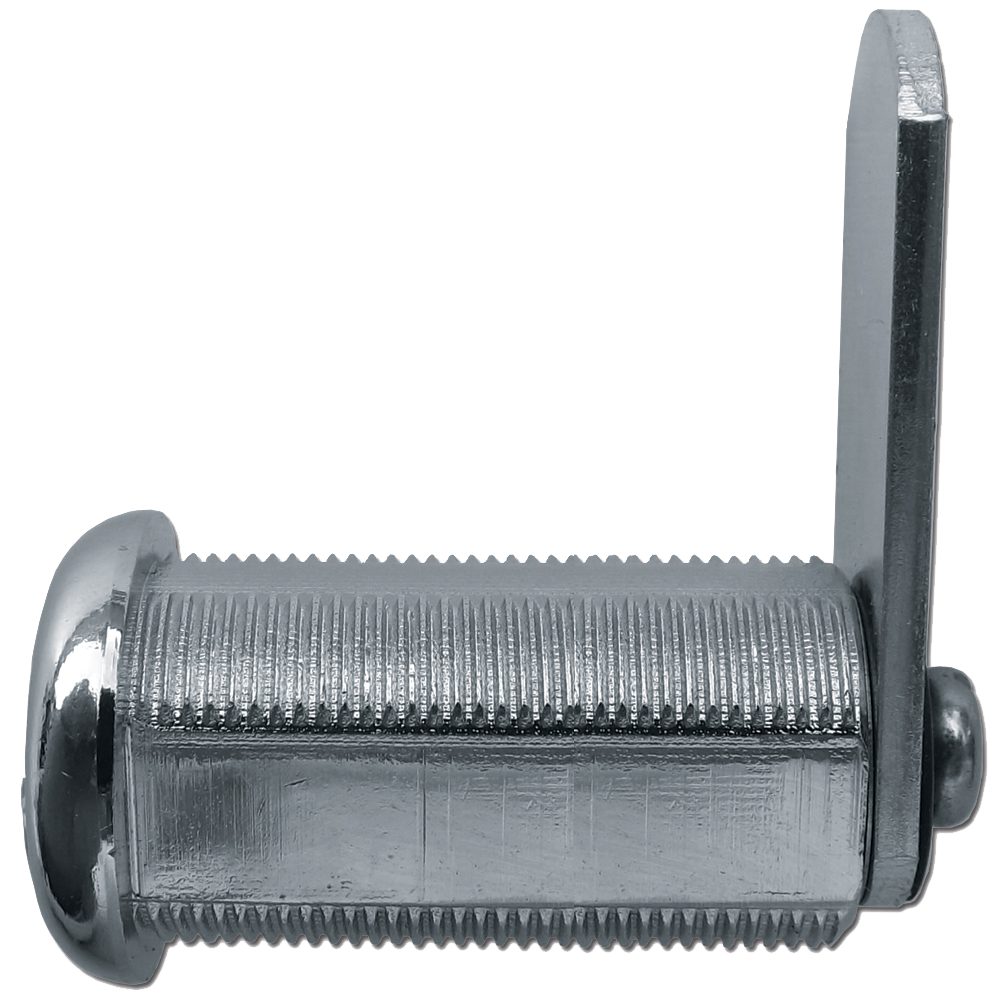
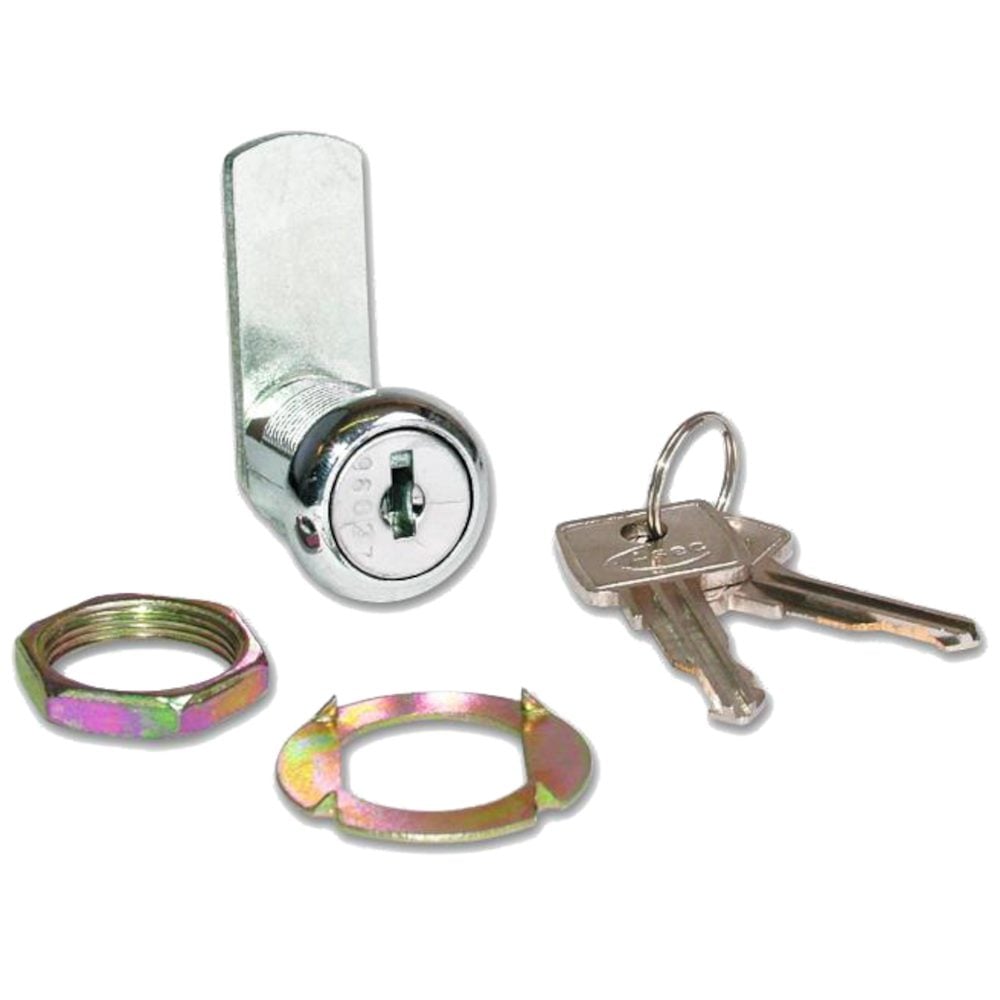
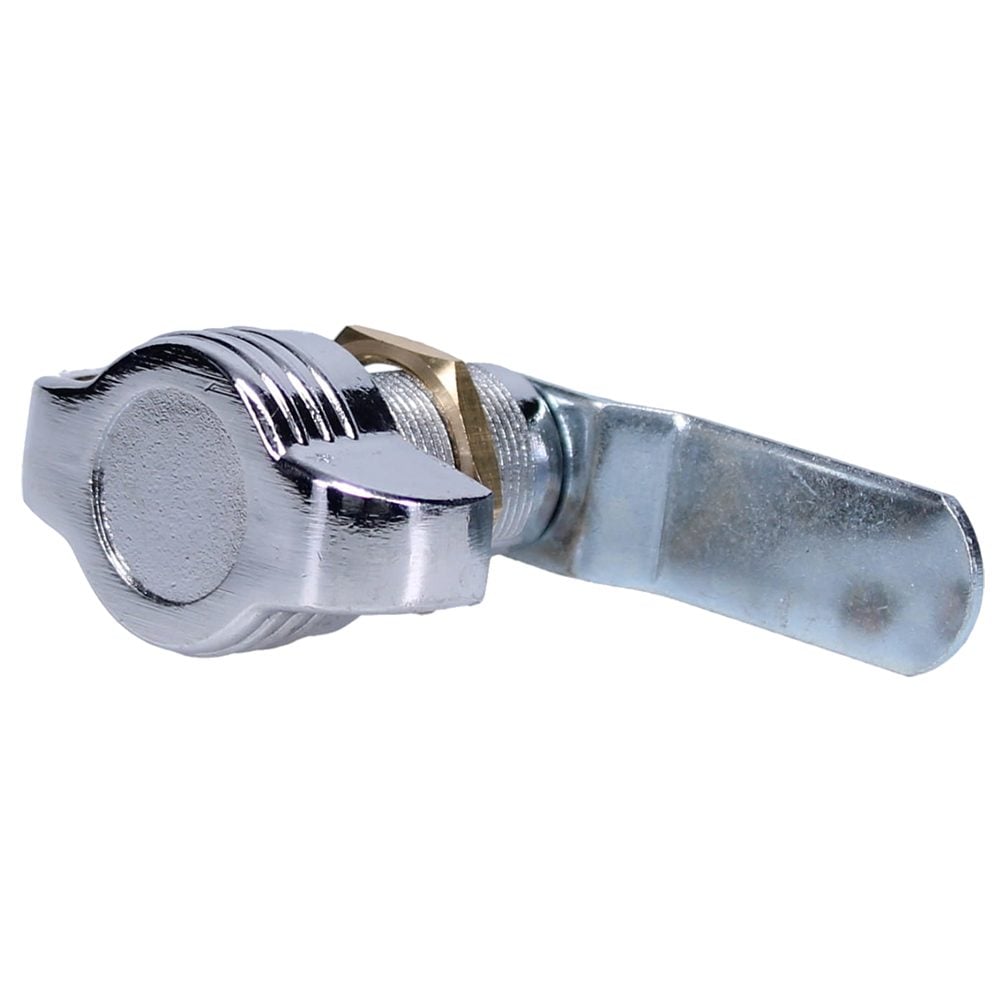
A nut-fix camlock features a threaded outer cylinder body. Once the lock is inserted through a pre-drilled hole in the panel, a large hexagonal nut is threaded onto the back of the lock body and tightened against the inside of the door.
This fixing method offers several distinct advantages:
- Versatility: It is suitable for both thin sheet metal doors (like steel lockers) and thicker timber panels (like wooden office cupboards).
- Strength: The threaded nut provides a highly secure, rigid grip that resists pulling and twisting forces.
- Ease of Installation: It requires no specialist tools beyond a standard spanner or socket to tighten the nut.
Decoding Keying Options: KD vs KA vs MK
One of the most important decisions you will make is how the keys should operate across your locks. This is where keying terminology comes into play.
1. Keyed to Differ (KD)
"Keyed to Differ" means that every single lock in your order operates on a unique key profile. If you buy ten KD locks, you will receive ten different keys (usually supplied with two keys per lock), and none of those keys will open any of the other nine locks.
This is the standard choice for individual privacy. For example, in a shared office or a school locker room, you want to ensure that each user can only access their designated locker.
The Asec Round KD Nut Fix Camlock 90° is the perfect example of a high-quality, everyday KD lock:
Featured products
1 items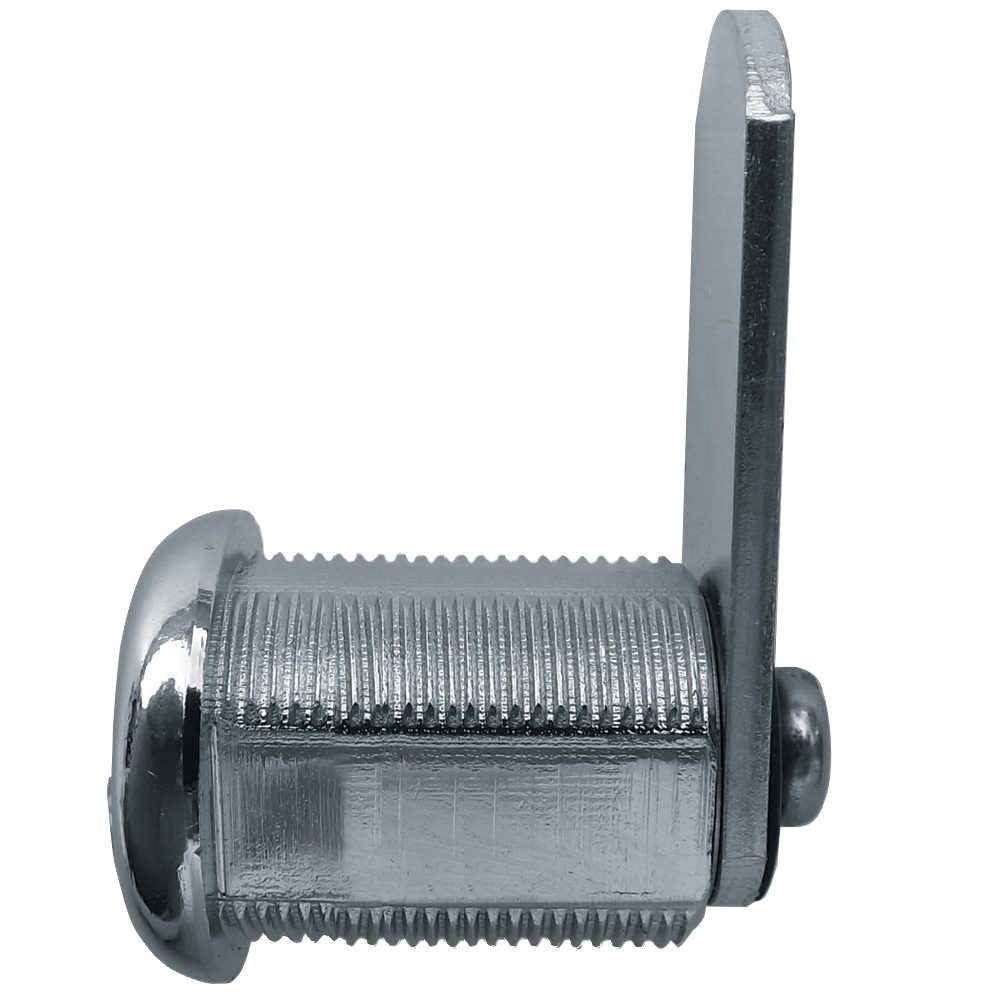
2. Keyed Alike (KA)
"Keyed Alike" means that multiple locks are manufactured to operate using the exact same key profile. This is highly convenient if a single user needs to access multiple cabinets or drawers and wants to avoid carrying a bulky bunch of keys.
For instance, a facilities manager or a homeowner with three different tool cabinets might choose a Keyed Alike system so that one key opens all of them.
Featured products
2 items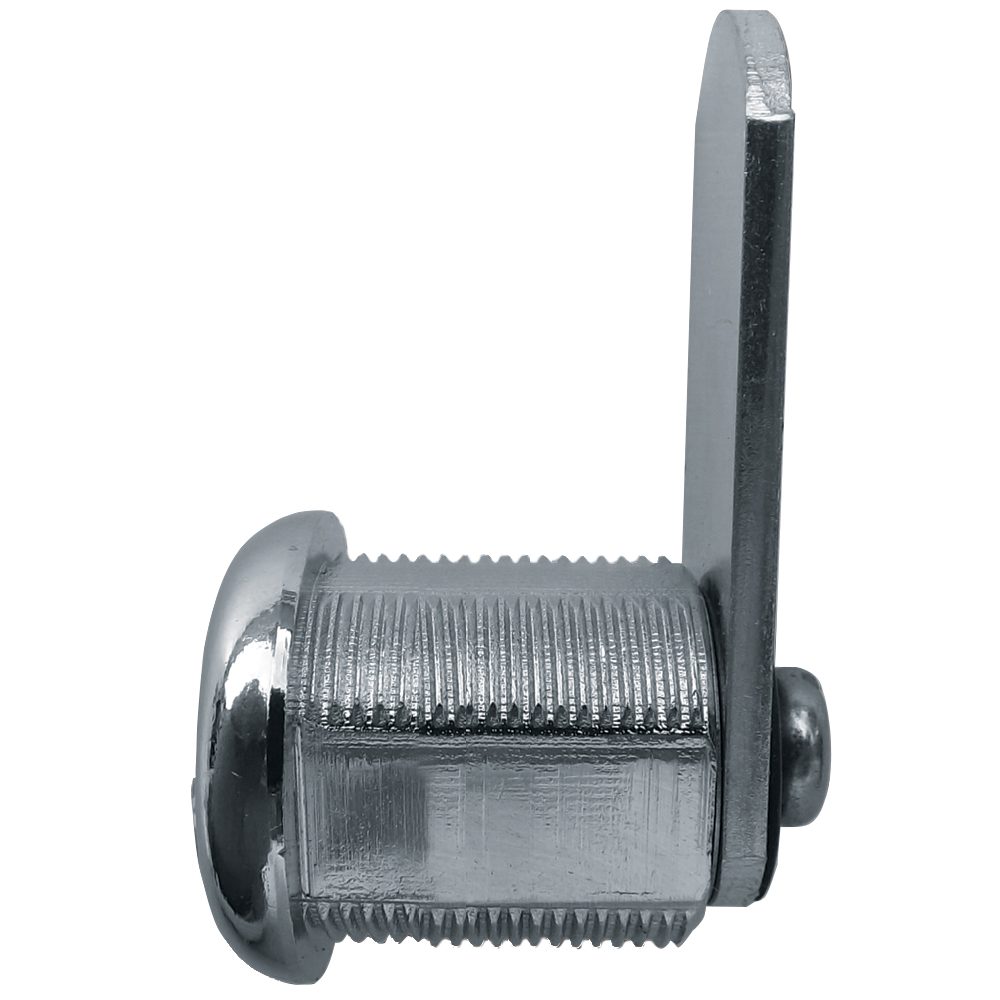
3. Master Keyed (MK)
"Master Keyed" systems offer the best of both worlds for commercial environments. Each individual lock is Keyed to Differ (meaning users have unique keys that only open their own lockers), but the system is designed to allow a designated "Master Key" to bypass and open any lock in the suite.
This is essential for school caretakers, gym managers, or office administrators who may need emergency access to lockers or cabinets if a user loses their key.
Featured products
2 items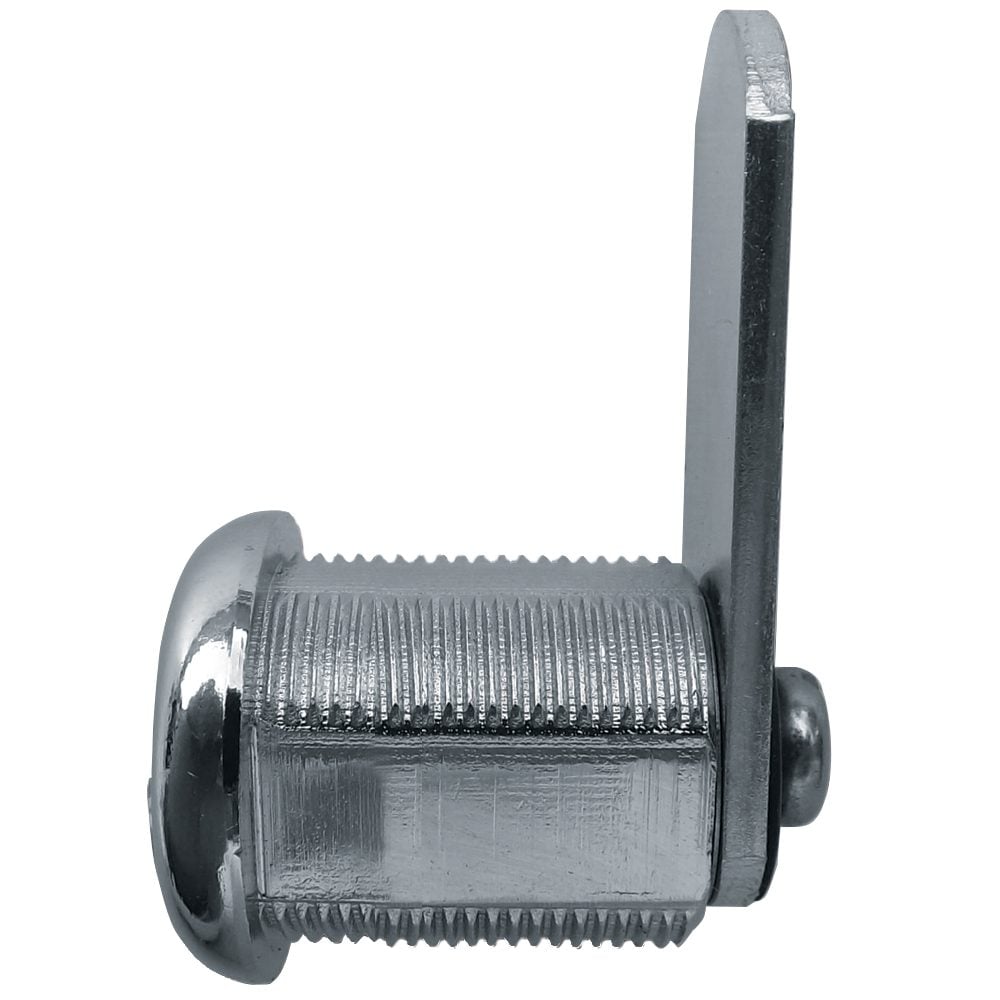
Choosing the Right Rotation: 90° vs 180°
Camlocks operate by rotating a flat metal plate (the "cam") behind the door frame to lock it in place. The degree of rotation determines how far the key turns to lock or unlock the mechanism.
- 90-Degree Rotation: The key turns a quarter-turn (90 degrees) to move the cam from the locked to the unlocked position. This is the most common setup for standard cupboards and drawers, providing quick and intuitive operation.
- 180-Degree Rotation: The key turns a half-turn (180 degrees). This is often preferred in specific industrial enclosures or double-door cabinets where the cam needs to swing completely out of the way of an adjacent panel.
An Alternative Solution: Padlockable Latchlocks
In high-traffic public environments like commercial gyms, leisure centres, or secondary schools, managing physical keys can be an administrative nightmare. Keys are frequently lost, requiring locks to be drilled out and replaced.
In these scenarios, a padlockable latchlock is often the ideal alternative. Instead of using a key, the user secures the cabinet by inserting their own padlock through the rotating latch. When the padlock is removed, the latch can be turned freely to open the door.
Featured products
2 items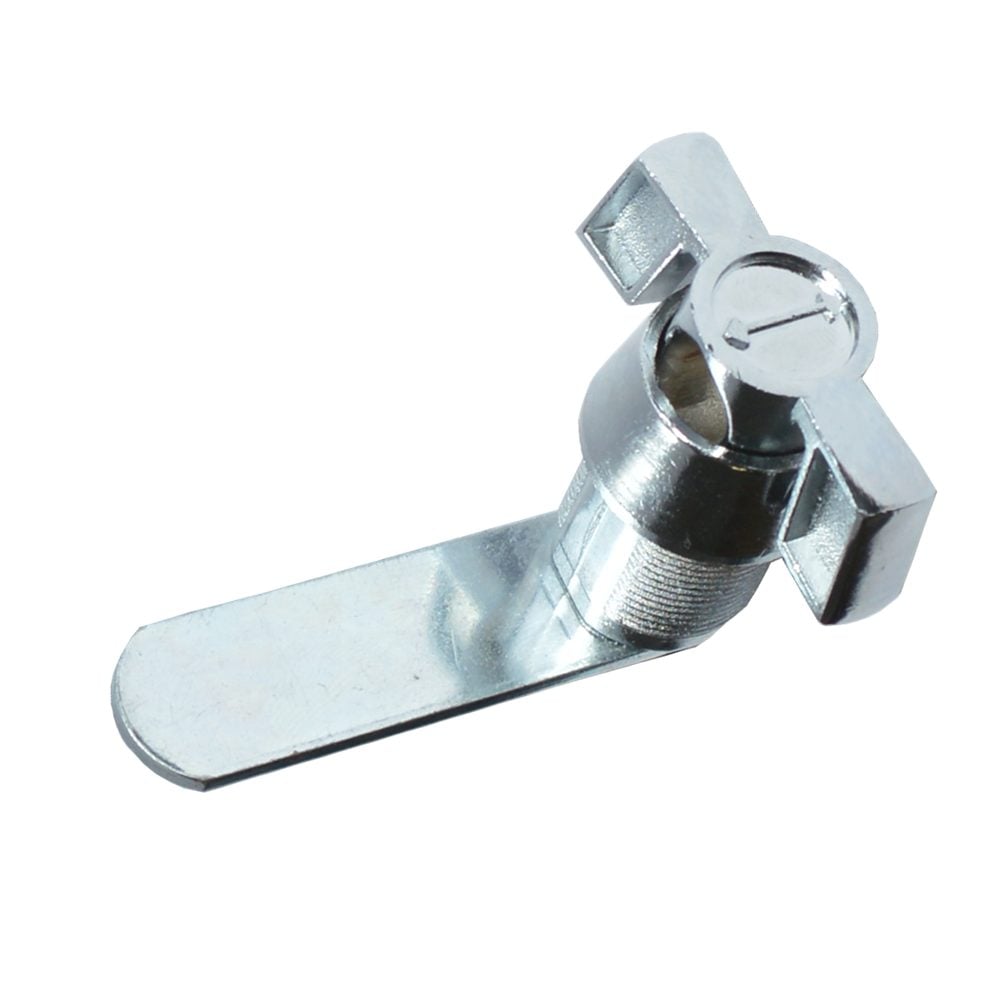
How to Measure for a Replacement Camlock
If you are replacing an existing camlock, taking accurate measurements is crucial to ensure a perfect fit. Keep these three dimensions in mind:
- Body Length (Cylinder Length): Measure from the underside of the front face (the rose) to the end of the threaded cylinder body. Common sizes include 16mm, 20mm, and 30mm. Ensure the body is long enough to pass completely through your door panel with enough thread left to tighten the nut.
- Cam Bar Length and Crank: Measure the flat metal cam bar from the centre of the fixing screw to the tip. Note whether the bar is straight or "cranked" (bent). A cranked cam can help clear internal lips or frames.
- Hole Diameter: Most standard camlocks require a double-D shaped hole (typically 19mm wide with flat sides) to prevent the lock body from spinning in place when the key is turned.
Summary
Whether you need the individual security of a Keyed to Differ lock, the streamlined convenience of a Keyed Alike suite, or the administrative control of a Master Keyed system, Asec's range of nut-fix camlocks offers a reliable, easy-to-install solution for any timber or metal cabinet.
Explore our full range of nut-fix camlocks to find the perfect fit for your security needs:
Nut Fix
Popular picks from this category.