


Sleek Access Control: A Specifier's Guide to Asec Transom Housings for Magnetic Locks
Selecting locking hardware for commercial access control frequently involves balancing physical security, architectural aesthetics, and long-term durability. While electro-magnetic locks (often referred to as maglocks) are one of the most reliable fail-safe locking methods for high-traffic doors, surface-mounting standard magnets with visible L or Z brackets can create an industrial, cluttered appearance. Exposed brackets and wiring can also present an enticing target for vandalism or accidental damage.
Architectural transom housings solve this challenge by enclosing electro-magnetic locks and their wiring inside continuous, high-grade aluminium extrusions. By integrating the locking mechanism neatly along the door transom or side frame jamb, transom housings turn functional security hardware into a clean, modern design feature.
In this buying guide, we explore how Asec transom housings elevate commercial electric locking installations and how to choose the right housing configuration for your building.
Why Choose Transom Housings Over Standard Surface Brackets?
Standard surface-mounted maglocks rely on angle brackets fixed directly to the door frame. While effective for basic back-of-house doors, they present several operational and aesthetic drawbacks in modern commercial environments:
- Aesthetics and Architectural Finish: In prestigious office receptions, healthcare facilities, and educational buildings, exposed square magnets and bracketry interrupt clean architectural lines. Transom housings stretch across the frame length or height, giving the lock a built-in, factory-fitted appearance.
- Vandal Resistance: Exposed cables, surface-mounted armature plates, and visible mounting screws are susceptible to physical tampering or lever attack. Transom housings enclose all fixings and wiring within a rigid aluminium channel, preventing unauthorized access to internal components.
- Structural Load Distribution: Mounting heavy magnets directly to narrow door transoms or hollow frame sections can put uneven stress on fixing points. A 2-metre aluminium housing distributes weight and closing forces evenly across the full height or width of the door frame.
- Concealed Cable Routing: Feeding power cables into standard magnetic lock blocks often leaves short lengths of flex visible. Transom housings allow cables to run internally through the aluminium profile straight into the frame cavity.
Key Asec Transom Housing Configurations
Depending on your door construction, header clearance, and required holding force, Asec offers distinct housing designs tailored for standard and specialized architectural applications:
1. Universal Architectural Transom Housings
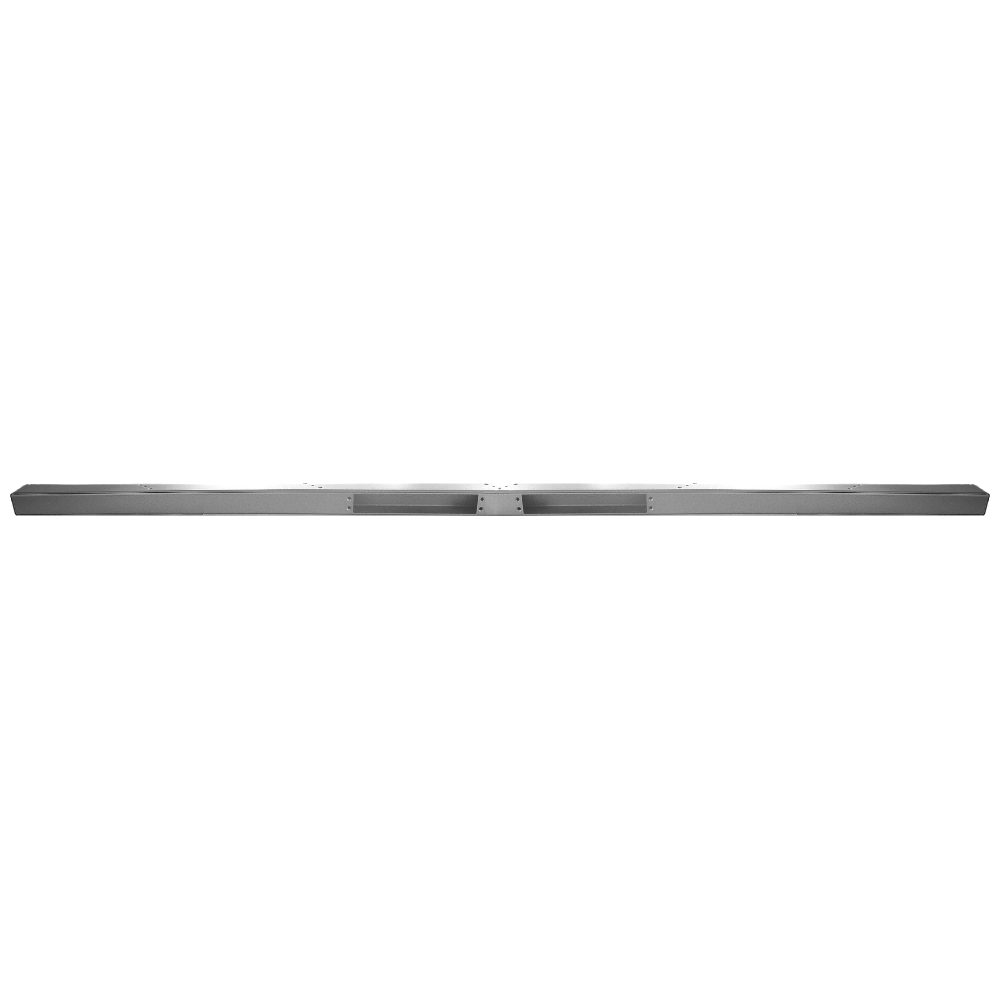
Designed for horizontal installation above single or double doors, full-length transom housings fit flush along the underside of the door header. They create a smooth, continuous aluminium rail across the entire top frame opening, concealing one or two mortice magnetic locks depending on whether you are securing single or double leaf doors.
2. Standard Vertical Aluminium Transom Housings
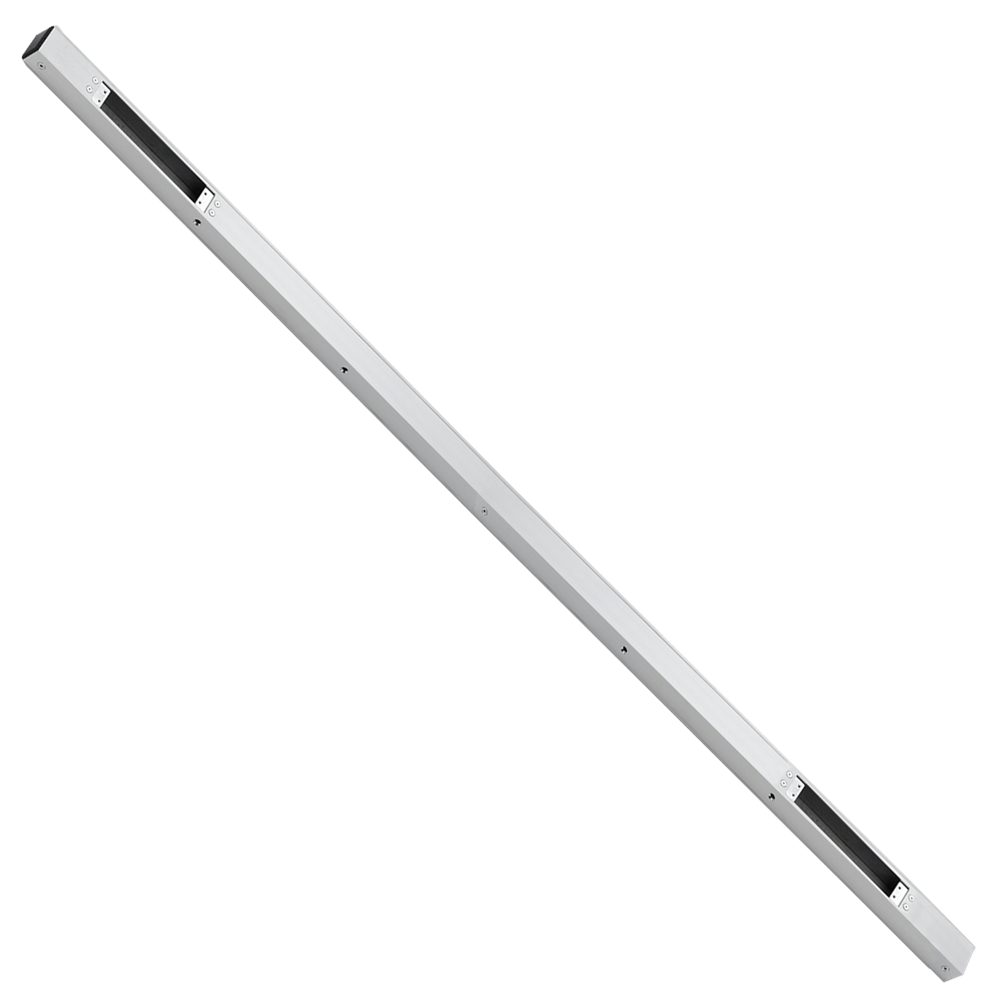
When top header clearance is limited - or when securing tall doors that require resistance against leverage at multiple points - vertical jamb mounting provides an ideal alternative. Designed for vertical fitting along the door frame, a 2-metre standard vertical housing houses magnets along the side jamb, securing the door edge evenly along its height.
3. Slimline Vertical Transom Housings
For modern narrow-stile doors or slender aluminium shopfront frames, standard housings can sometimes extend past the frame profile. Asec slimline vertical housings feature a reduced depth and width while retaining heavy-duty holding capabilities. Models equipped with twin cut-outs allow dual mortice magnets to be seated flush, offering high holding force (such as 1200lbs / 544kg total capacity) without protruding into the walkthrough opening.
Featured products
3 items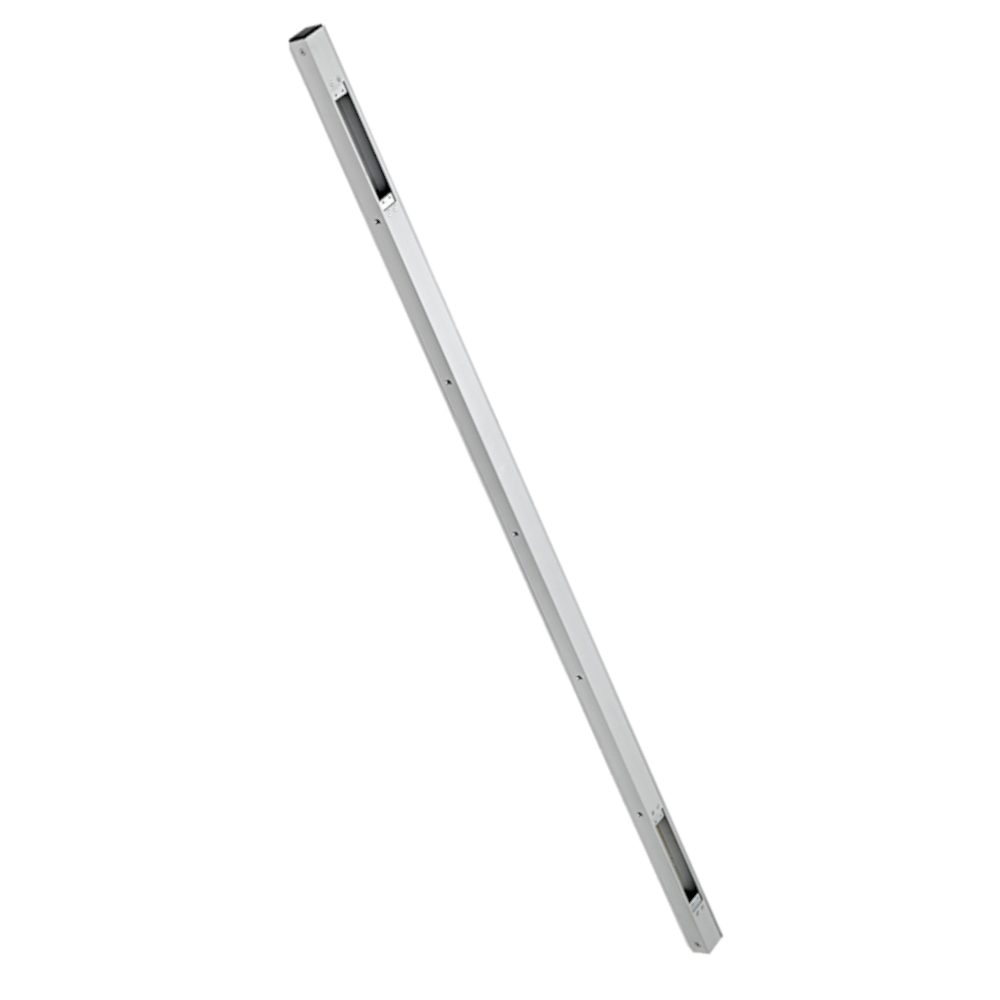
Essential Specification Considerations
Before ordering transom housings for your access control project, ensure you review the following installation details:
Frame Clearance and Door Swing
Check whether your doors are inward or outward opening and verify frame reveal dimensions. Transom housings are typically fitted on the secure side of the opening, so ensure there is sufficient rebate depth for the aluminium extrusion and armature plates to sit without obstructing door closers or panic hardware.
Matching Mortice Magnets
Transom housings are designed to work in conjunction with designated mortice electro-magnetic locks rather than standard surface-mounted maglocks. Verify that the cut-out dimensions and magnet series match your chosen housing to ensure a flush, secure fit.
Power Supply and Fail-Safe Integration
Electro-magnetic locks require continuous power to stay locked. Because they are fail-safe devices (unlocking automatically when power is cut), ensure your installation includes a dedicated power supply unit with battery backup and integration into the building’s fire alarm system for emergency egress.
Mortice
Popular picks from this category.
Summary
Upgrading commercial doors with Asec transom housings bridges the gap between high-level physical security and sophisticated architectural design. By protecting locking hardware from vandal attacks while concealing unsightly cables and brackets, these robust aluminium housings provide a lasting access control solution for modern commercial buildings.