
Typically ships in 24 hours
Shipping containers, site offices, and steel security cabins are widely used across the UK for secure storage, temporary workspaces, and industrial applications. When we think about securing these units, our minds immediately go to heavy-duty padlocks, lockboxes, and robust multi-point locking systems.
However, there is a critical vulnerability that is frequently overlooked: the hinges.
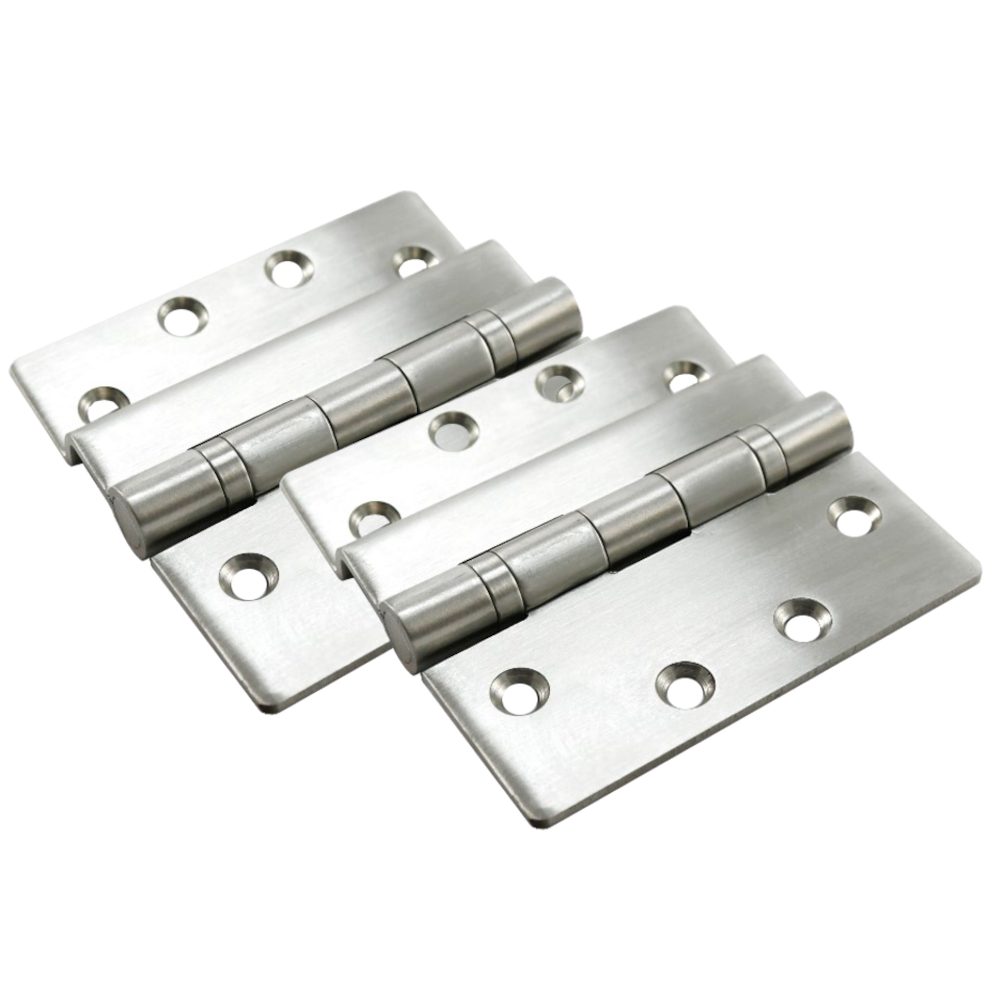
Because steel container doors typically open outwards, their hinges are exposed to the outside. If you use standard hinges, an intruder with basic tools can compromise them in minutes. This is where specialist hardware, such as the HOOPLY Stainless Steel Container Door Ball Bearing Hinge Z-Profile, becomes an essential upgrade for any steel door security setup.
On a standard inward-opening domestic door, the hinges are safely tucked away on the inside. For outward-opening steel doors-the standard design for shipping containers and security cabins-the hinge knuckles and pins are fully exposed on the exterior.
This exposure presents a major security risk. A common method of forced entry involves using a hammer and a pin punch to drive the hinge pins out from the bottom. Once the pins are removed, the entire door leaf can be pried away from the frame on the hinge side, completely bypassing even the most sophisticated multi-point locks.
To prevent this, you need hinges engineered specifically for high-security, heavy-duty applications.
The HOOPLY Stainless Steel Container Door Ball Bearing Hinge is designed from the ground up to address the unique structural and security demands of steel doors.
To combat the threat of pin removal, this Hooply hinge features built-in anti-knock-out pin security. The internal pin is engineered so that it cannot be driven out or removed when the door is closed. Even if an intruder attempts to attack the exposed hinge knuckle, the pin remains locked in place, keeping the door securely anchored to the frame.
Steel container doors and security doors often feature a stepped or rebated edge (known as a Z-profile or L-profile) where the door leaf meets the frame. Standard flat butt hinges cannot accommodate this offset.
The HOOPLY hinge is manufactured with a precise Z-profile shape. This cranked design allows the hinge leaves to wrap perfectly around the stepped rebate of the steel door and frame. This ensures a tight, flush fit when the door is closed, leaving no gaps for crowbars or prying tools, while still allowing the door to swing open smoothly.
Containers and site cabins are subjected to harsh, unpredictable weather. Standard steel hinges will quickly rust, leading to stiff operation, squeaking, and eventual structural failure.
This hinge is manufactured from Grade 304 stainless steel, offering exceptional resistance to corrosion, rust, and oxidation. This ensures that the hinges remain structurally sound and visually clean, even in damp or coastal environments.
Steel doors are incredibly heavy. Over time, the constant friction of metal-on-metal in standard hinges causes wear, which leads to door sag. When a heavy steel door sags, it misaligns the lock bolts with the frame, making the door difficult to lock or unlock and putting immense strain on the gearbox.
The Hooply hinge incorporates high-quality ball bearings within the knuckle. These bearings distribute the vertical load of the heavy steel door, providing incredibly smooth, low-friction operation and preventing door sag over years of heavy use.
If you are replacing old hinges or building a new steel door unit, here are a few practical tips to keep in mind:
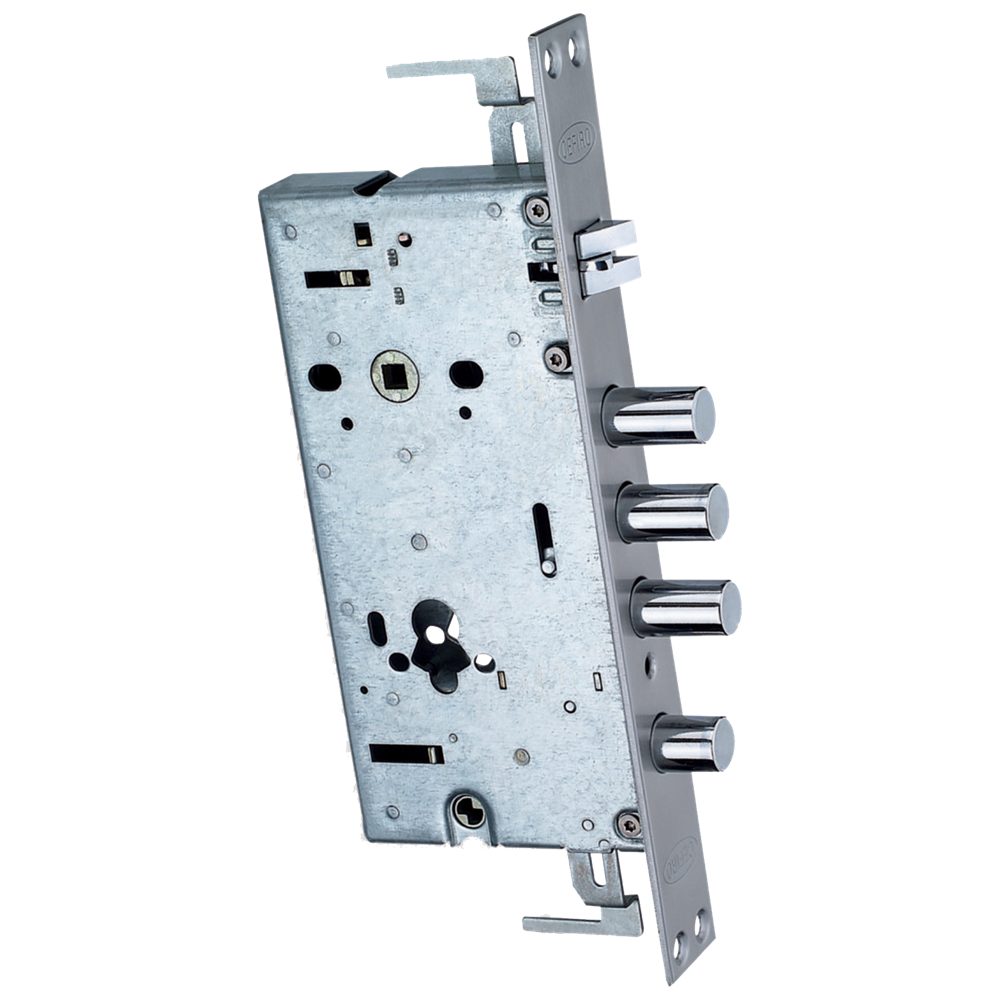
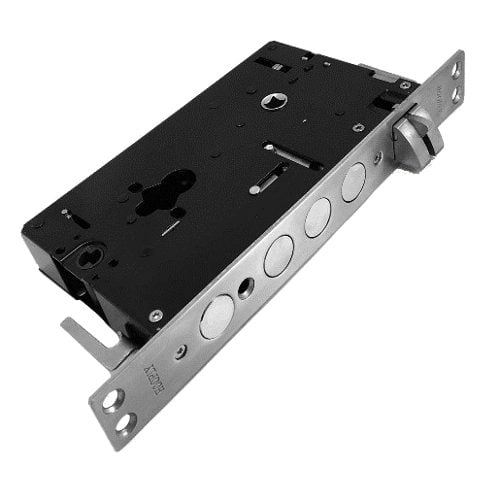
While secure hinges protect the pivot side of your door, you also need robust hardware to secure the locking side. Hooply offers a comprehensive range of specialist steel door gearboxes and auxiliary locks designed to work seamlessly together on container conversions and security doors.
If you are maintaining or upgrading a steel door, consider these compatible Hooply security components:
Securing a shipping container or steel site office requires a holistic approach. A high-security lock is only as good as the hinges holding the door in place. By upgrading to the HOOPLY Stainless Steel Container Door Ball Bearing Hinge Z-Profile, you eliminate a major physical vulnerability, ensuring your valuable equipment and property remain safe and secure.