
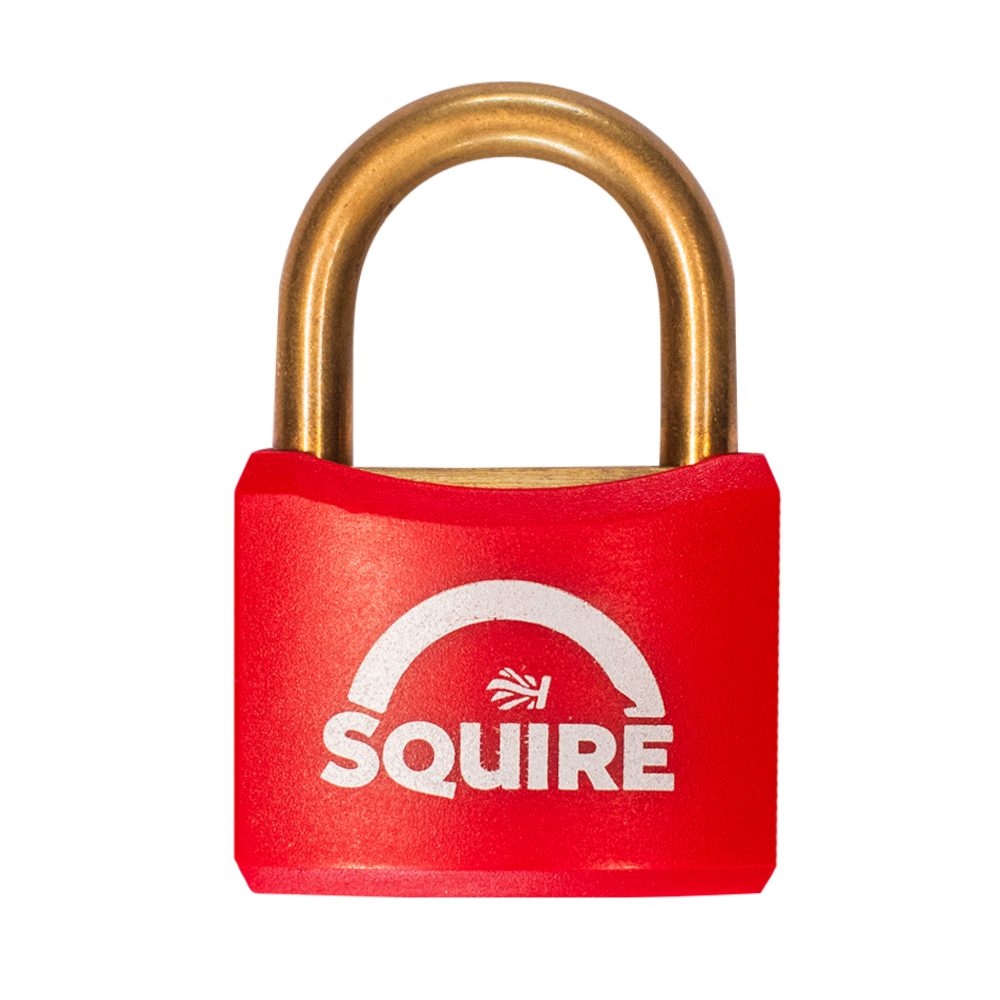
Keyed alike (KA) • keyed different (KD) • grouping strategy • multi-site
Keyed Alike vs Keyed Different Padlocks
This decision is basically: fewer keys versus smaller blast radius. Keyed alike can make operations faster. Keyed different can make incidents survivable. The “right” answer is usually a grouping plan, with zones of padlocks keyed the same, but each zone has a different key, or you use indiviual keys under a master key.
Reduce keyrings
Control exposure
Multi-site friendly
For security-first selection, see high-security padlocks. For weather reliability, see outdoor weatherproof padlocks.
Fast definitions
Keyed alike (KA)
Multiple padlocks open with the same key. Best when you want fast operations and fewer keys - and the exposure is acceptable.
Keyed different (KD)
Each padlock has its own unique key. Best when you want strict separation and minimal blast radius if a key goes missing.
Mastered padlocks (tied into a suite)
Padlocks can be keyed to operate with a controlled tier key. Useful when padlocks need to fit into a wider access plan.
Shortcut rule
If losing one key would be a serious incident, don’t make it open everything.
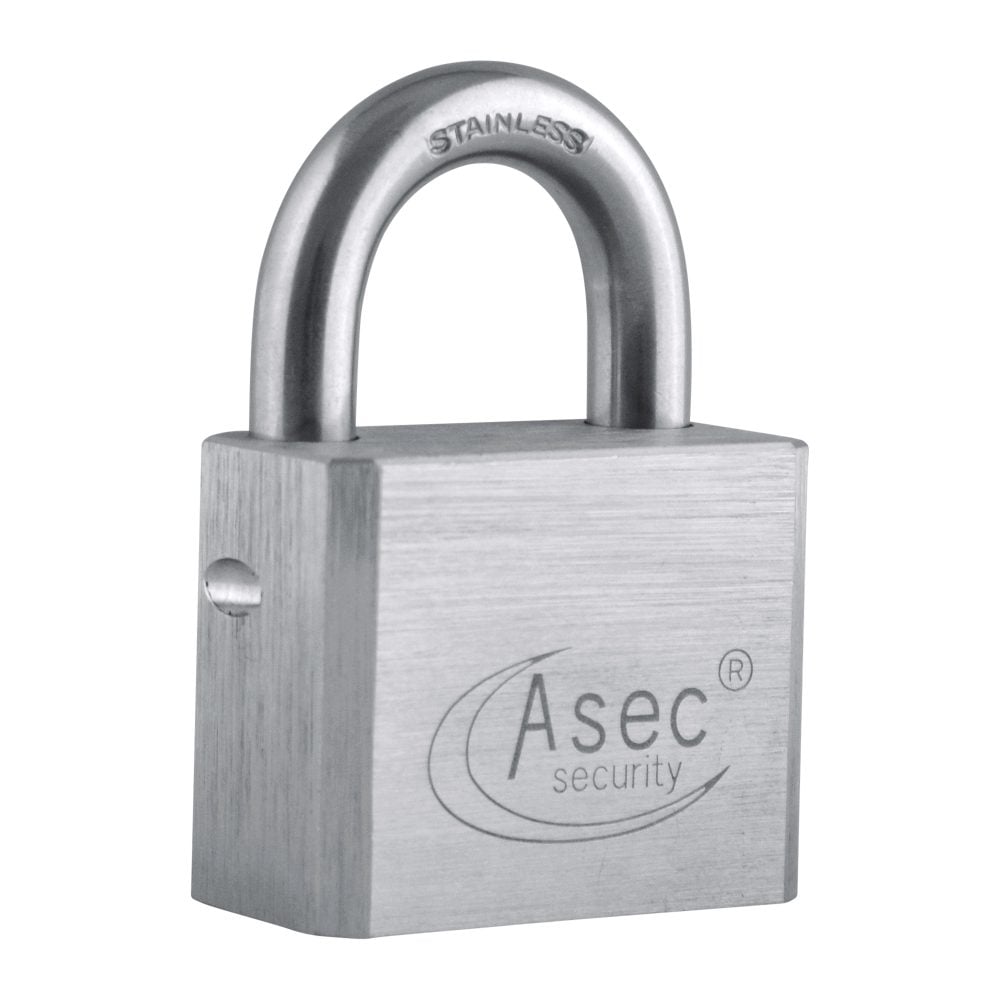
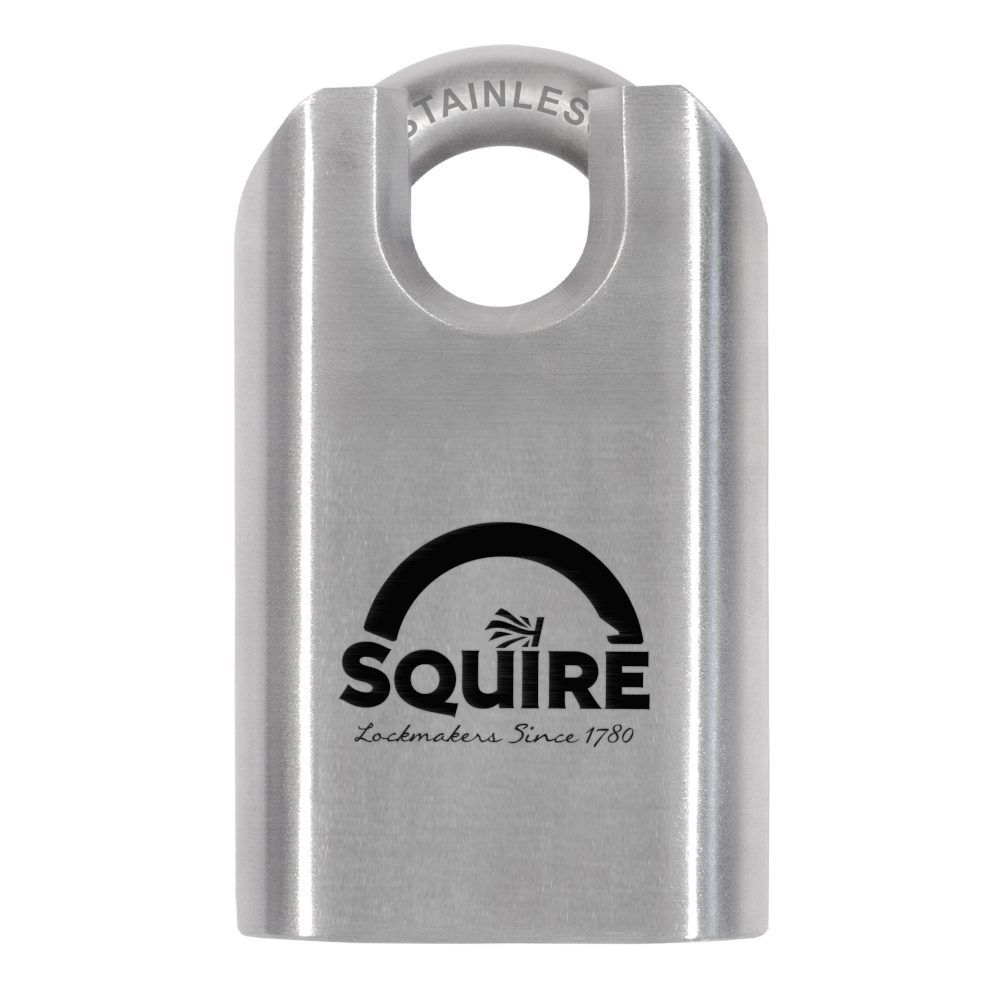
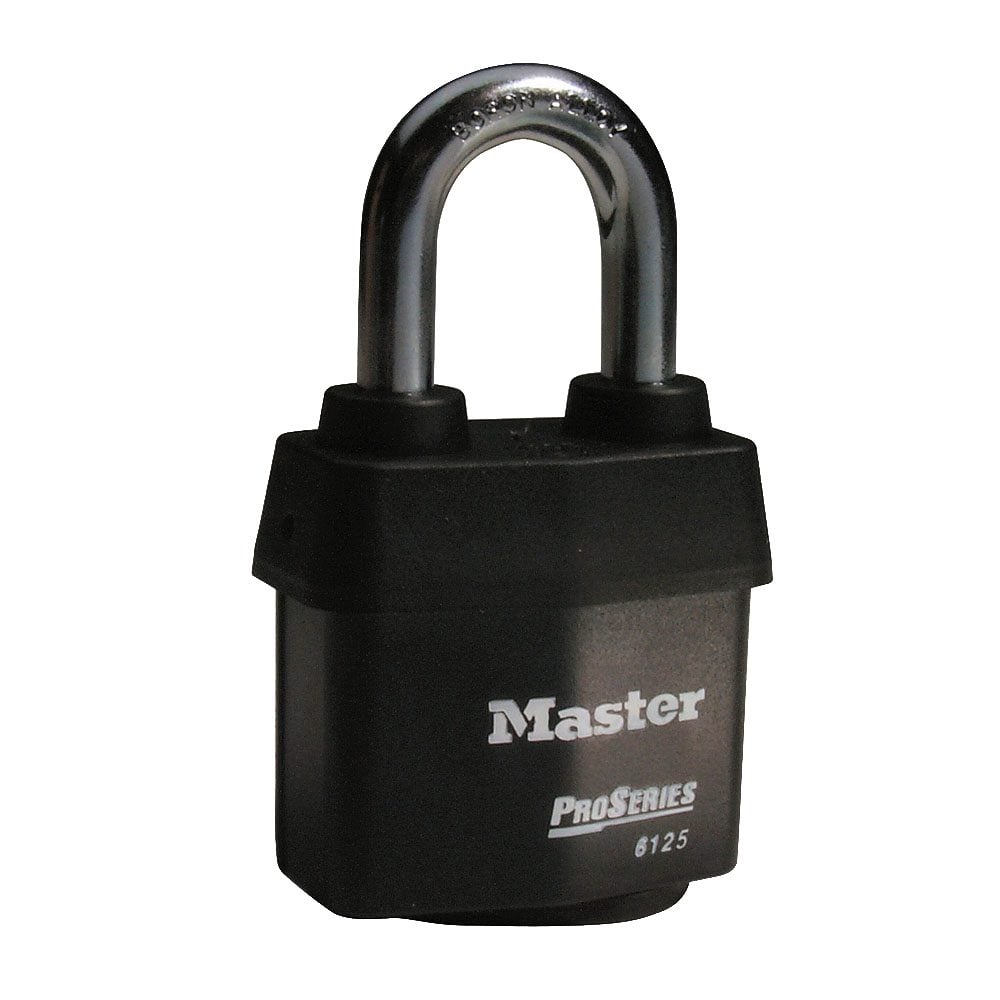
Padlocks & Bars
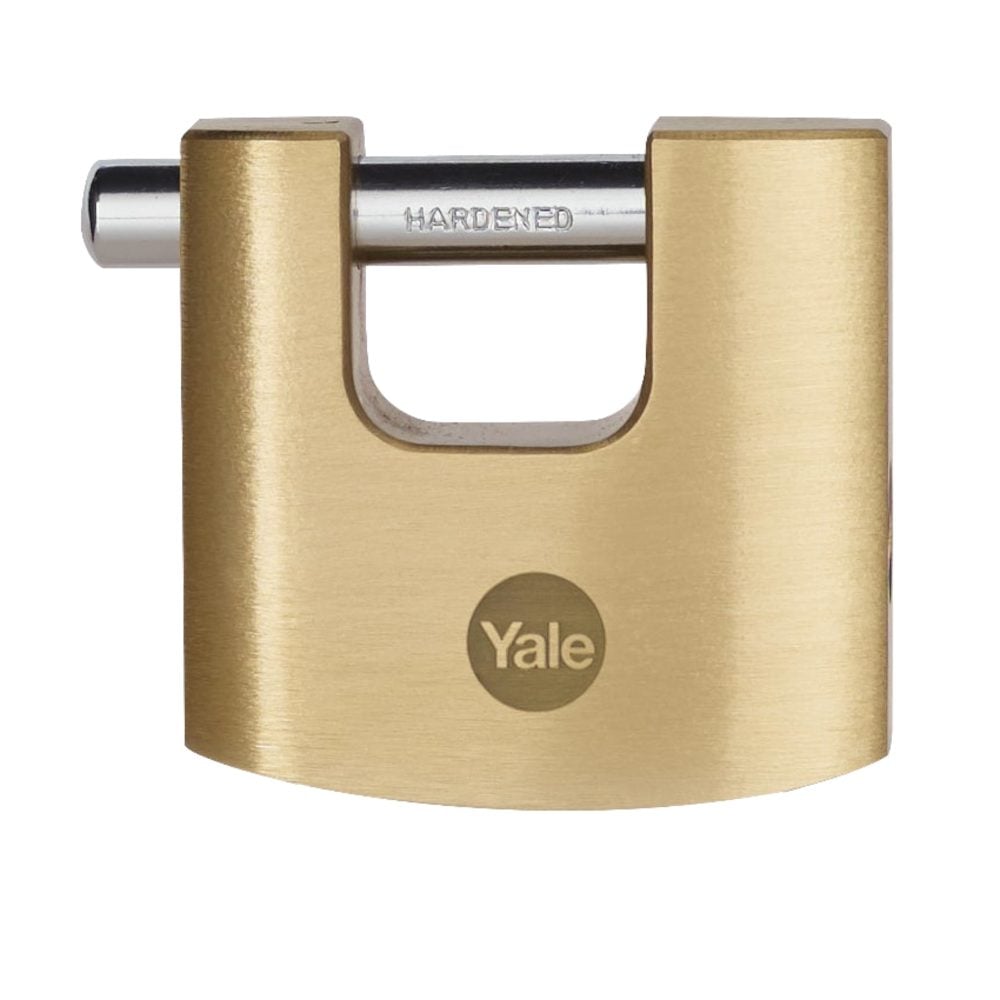
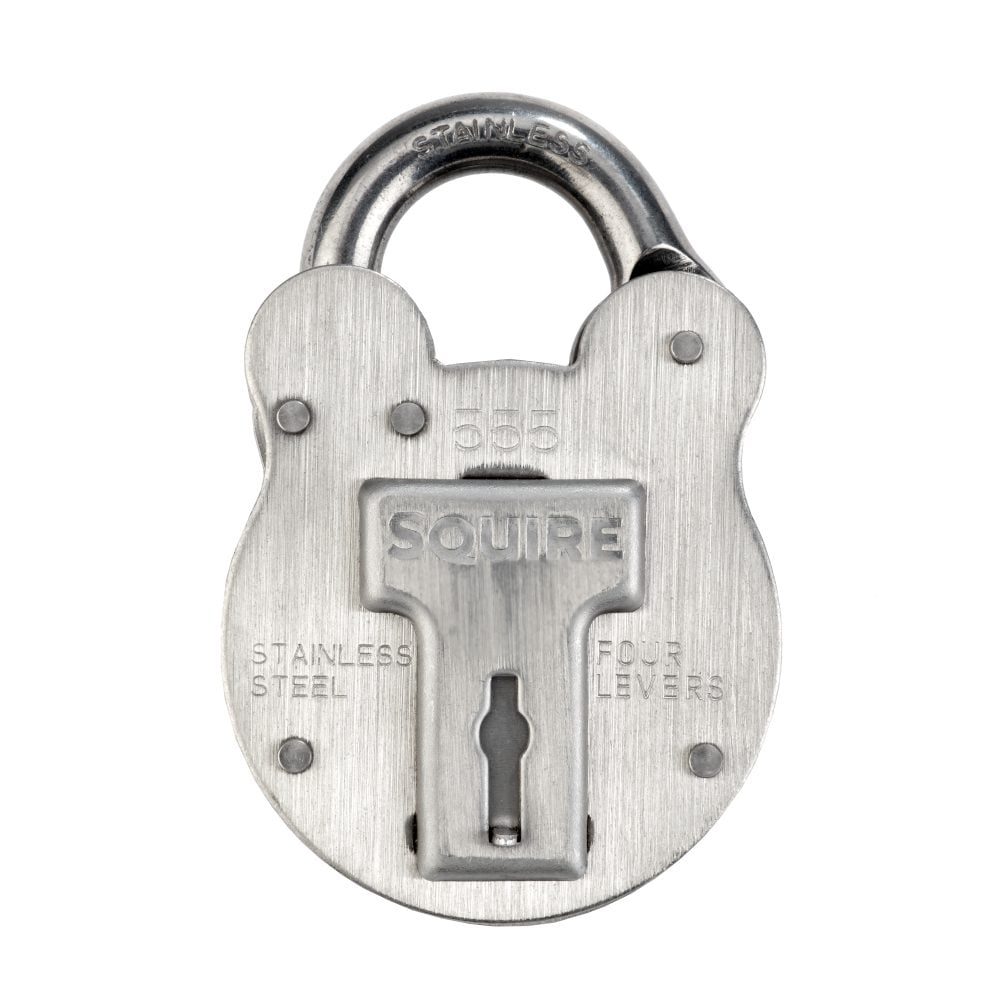
Popular picks from this category.
When keyed alike is a good idea
Keyed alike is an operations tool. Use it where the risk profile is consistent and the exposure is acceptable.
Same risk profile doors/areas
If the consequences of exposure are similar across those locks, KA grouping stays sensible.
Low public exposure
Back-of-house, fenced compounds, or controlled areas where “lost key” risk is reduced.
Operational speed matters
High-frequency access where keyrings slow teams down (maintenance rounds, inspections).
You can cope with the blast radius
If one key opens 20 padlocks, you must be comfortable with that trade-off.
When keyed different is the safer choice
Keyed different is a containment strategy. It reduces the impact of one mistake, one loss, one copied key.
High-value or sensitive areas
If exposure is unacceptable, KD keeps the impact contained.
Mixed contractors / shared responsibility
Separate keys prevent “everyone can open everything” drift.
You already have frequent lost keys
KD reduces the damage each loss can cause.
You need clear accountability
Issuance and returns are easier to reason about when keys map to smaller areas.
Practical grouping patterns
Most organisations land on a hybrid: some keyed alike groups plus some keyed different separation. The goal is fewer keys without turning a single loss into a site-wide event.
Group by site
Each site gets its own KA group. Keys don’t travel well between sites, but teams only carry one key per site.
Good for
Multi-site operators with predictable local teams.
Group by zone within a site
KA groups per zone (e.g. compound gates vs stores vs cabinets). Reduces keyrings without turning one key into total site exposure.
Good for
Sites with mixed risk areas.
KD for high-risk, KA for the rest
Use KD for high-value/sensitive points, and KA for routine low-risk access points.
Good for
A practical “80/20” approach.
Tie padlocks into a master key plan (where appropriate)
Padlocks become part of the broader access hierarchy (who gets what tier). Best when you already run controlled tiers and policies.
Good for
Organisations with governance and tiered access.
When padlocks should tie into a master key system
If you already run controlled tiers and want padlocks to align with “who gets what access”, a master key hierarchy can make that coherent. Keep this link-out rare and deliberate.
Lost keys: what changes with KA vs KD
This is the part most people only discover after an incident. Plan it now and you avoid panic later.
Keyed alike loss
Loss can expose every padlock in that KA group. That doesn’t always mean “rekey everything” - but you need a deliberate plan.
Keyed different loss
Loss is smaller and usually isolated. Replacement is often simpler, especially when you know which lock the key belonged to.
If duplication is the real risk
If keys can be copied freely, KA vs KD won’t save you. You need key control (authorisation, issuance, tracking).
Examples by industry
Each environment has different trade-offs: frequency of access, contractor mix, and the cost of exposure.
Wind farms
Remote assets and repetitive access points where smart grouping reduces operational friction.
Read industry guidance
Airports
Mixed contractors, strict zones, and a high need for separation and accountability.
Read industry guidance
Schools
Perimeter gates and stores where safeguarding and reliability drive decisions.
Read industry guidance
Next steps
If you want fewer keys without creating a security headache, start with grouping and key control.
Keyed alike for multiple sites
We’ll help you group locks so teams carry fewer keys without creating “one key opens everything”.
Plan keyed alike
Get a padlock quote
Send counts, locations, and your preferred grouping (or ask us to recommend it).
Get a quote
Lost keys?
Risk-based response for KA/KD groups, including selective rekey where needed.
Replace lost keys
Want fewer keys without over-exposing access?
Tell us your sites, how many padlocks, and what they protect. We’ll recommend a keyed alike / keyed different plan that matches real risk and day-to-day operations.
Prefer to talk?
Phone: 01296 752080
Email: info@lockandkey.co.uk